

Give Kids a Chance Act of 2025 This bill expands the Food and Drug Administration’s (FDA’s) authority with respect to research on rare pediatric diseases, including by permitting the FDA to take enforcement action against drug sponsors that fail to satisfy pediatric study requirements and by reauthorizing programs that support pediatric research. Specifically, the bill modifies requirements relating to molecularly targeted pediatric cancer investigations to permit research on new drugs in combination with active ingredients that have already been approved, provided certain conditions are met; permits the FDA to take enforcement action against drug sponsors that fail to comply with pediatric study requirements, if such sponsors demonstrated a lack of due diligence in satisfying the requirement; renews the FDA’s authority to award priority review vouchers to sponsors of new products intended to treat rare pediatric diseases through September 30, 2029; and reauthorizes through FY2027 certain funding for the National Institutes of Health to support priority pediatric research. The bill also provides statutory authority for the FDA’s interpretation of the orphan drug exclusivity period. The bill specifies, consistent with FDA regulations, that the seven-year market exclusivity period for drugs for rare diseases or conditions (i.e., orphan drugs) prohibits the approval of the same drug for the same approved use or indication with respect to the disease or condition. (In Catalyst Pharmaceuticals, Inc. v. Becerra , a court rejected the FDA’s interpretation and held that orphan drug exclusivity extends to all uses or indications for the disease or condition.)
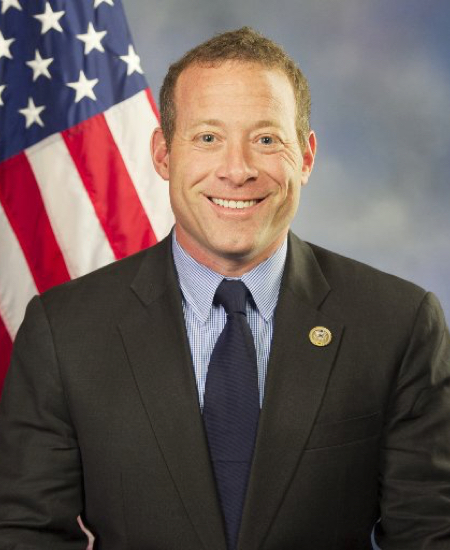
Rep. Josh Gottheimer
Sponsored bills
Maddy summaryThis bill ensures FEMA can continue disaster relief payments during government funding gaps. It requires the agency to keep using existing Disaster Relief Fund money for active disaster assistance, emergency aid, and recovery programs - even if Congress hasn’t passed new funding. Essential staff handling these disbursements are protected from furloughs during such gaps, treated as "excepted" under federal law. The bill directly affects disaster victims receiving aid and FEMA employees managing relief operations during budget lapses.
Maddy summaryThis bill codifies existing Transportation Department rules into law, requiring airlines to compensate passengers for significant flight delays. It directly affects airline passengers who experience domestic delays of 3+ hours or international delays of 6+ hours, mandating compensation of $200-$500 based on delay duration. The key provision enforces the April 2024 rules on refunds/consumer protections and transparency of airline fees, making these requirements legally binding. Airlines must now provide this compensation automatically without passenger dispute.
Maddy summaryHRES 915 formally recognizes the 1932-1933 Ukrainian famine, known as the Holodomor, as a genocide perpetrated by the Soviet Union. The resolution directly affects Ukrainian victims, survivors, and communities by affirming historical truth and condemning Soviet policies that intentionally starved millions. Key provisions include declaring the Holodomor a genocide, commemorating its victims, and condemning ongoing Russian aggression against Ukraine, including Vladimir Putin’s denial of Ukrainian sovereignty. This symbolic resolution aims to educate the public and align U.S. policy with historical facts about Soviet repression.
Maddy summaryThis bill requires Medicaid programs to cover lung cancer biomarker testing for eligible enrollees, beginning January 1, 2027. It directly affects Medicaid recipients diagnosed with lung cancer who need these specific tests to guide treatment decisions. The key provision adds "lung cancer biomarker testing" as a mandatory benefit under Medicaid, amending the Social Security Act to require coverage for this diagnostic service. The change applies to all state Medicaid programs participating in the federal program, ensuring standardized access to this testing method. Coverage starts in 2027, with no additional state cost-sharing required for this specific test.
Maddy summaryThis bill establishes a Lung Cancer Task Force within the National Institutes of Health (NIH) to examine key issues in lung cancer research and care. The task force, appointed by the NIH Director, will specifically study differences in research funding and patient access compared to other diseases, assess if federal funding matches lung cancer's health impact, and review current lung cancer screening practices in the U.S. Within 180 days of the bill's passage, the task force must submit a report to Congress with its findings and recommendations for increasing federal funding for lung cancer research. The bill directly affects federal health agencies (NIH and CDC) and aims to inform future policy decisions based on the task force's analysis.
Maddy summaryThis bill requires Medicare to cover lung cancer biomarker testing for beneficiaries diagnosed with lung cancer, starting January 1, 2027. It defines the testing as procedures analyzing tissue, blood, or bodily fluids to identify specific biomarkers (like genes or proteins) for treatment planning. Medicare will pay 100% of reasonable charges for these tests, removing out-of-pocket costs for patients. The policy directly affects Medicare patients with lung cancer who need this specialized testing to guide personalized treatment options.
Maddy summaryThis bill updates securities laws to expand exemptions for retirement plans used by charities and educational institutions. It specifically modifies definitions in the Investment Company Act, Securities Act, and Securities Exchange Act to include 403(b) plans meeting certain conditions - such as being subject to ERISA, having employer fiduciary oversight, or being governmental plans. These changes reduce regulatory hurdles for organizations offering these plans, making it easier to administer retirement benefits for their employees. The bill directly affects charities, schools, and other non-profits that sponsor 403(b) retirement plans.
Maddy summaryThis bill provides $50 million annually from 2026 through 2030 to fund security measures for public transit systems in urbanized areas, removing previous population requirements that limited access. It allows transit agencies to use these funds for hiring additional officers, contracting with local police, and making physical safety upgrades like monitoring devices and operator shields. Additionally, it mandates a study by the National Academies (with input from transit workers) to evaluate crime prevention tactics, including successful and unsuccessful approaches used by transit agencies. The bill directly affects transit agencies and passengers by prioritizing safety infrastructure and data-driven crime reduction strategies.
Maddy summaryThe Hunger Clearinghouse Enhancement Act of 2025 updates the National School Lunch Program's information clearinghouse to better support communities combating hunger. It requires the clearinghouse to provide new information about volunteer programs and resources for preventing hunger, expanding its existing role in sharing food assistance details. The bill also increases annual funding for the clearinghouse from $250,000 to $750,000 per year for fiscal years 2026 through 2032. These changes directly affect schools, community organizations, and local governments using the clearinghouse to access resources for hunger prevention and food assistance programs.