

Maddy summaryHRES 925 is a non-binding resolution condemning the Iranian government's ongoing persecution of the Baha'i religious minority. It directly affects Baha'is in Iran, who face systemic discrimination, imprisonment, denial of education and employment, and violence due to their faith. The resolution calls on Iran to immediately release Baha'i prisoners, end hate propaganda targeting them, and reverse policies banning their access to education and jobs. It also urges the U.S. President and Secretary of State to demand Iran's compliance and use existing sanctions authorities against officials responsible for human rights abuses against Baha'is.
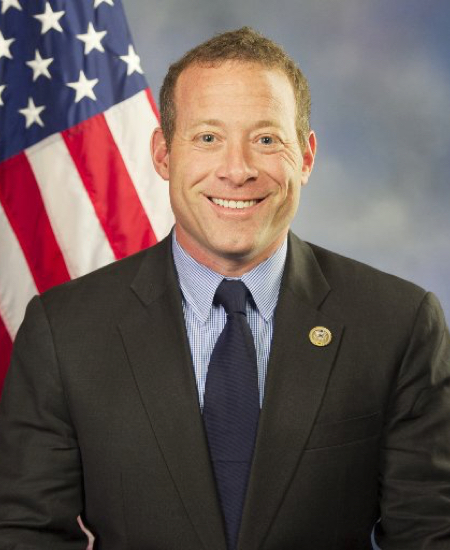
Rep. Josh Gottheimer
Sponsored bills
Maddy summaryHR 6403 expands eligibility for homeless children and youth services to include those verified as homeless through other federal programs (like Head Start, domestic violence assistance, or youth services), with verification timelines extended from 14 to 30 days. The bill requires annual public reporting of detailed homeless data - including age, disability status, and length of homelessness - to HUD, and prohibits service providers from prioritizing specific subpopulations without local data justification. It directly affects homeless youth under 24, unaccompanied youth, and families with children, ensuring consistent access to education, housing, and support services across federal programs.
Maddy summaryThis bill establishes a new interagency Task Force to dismantle foreign scam operations targeting Americans, particularly through "pig butchering" scams in Southeast Asia. The Task Force, chaired by the Secretary of State, will coordinate efforts across multiple agencies to shut down scam centers, impose sanctions on perpetrators, and support victims of trafficking. It requires a detailed strategy within 180 days and annual reports to Congress on progress, including sanctions imposed and funds recovered. The bill authorizes $30 million for these efforts in fiscal years 2026-2027, focusing on countries like Cambodia, Laos, and Burma where scam centers operate with forced labor.
Maddy summaryThis bill would amend the Anti-Terrorism Act of 1987 to designate the Muslim Brotherhood as a terrorist organization and prohibit its operations within the United States. It would require the President to designate the Muslim Brotherhood as a foreign terrorist organization under immigration law and impose new visa restrictions, including immediate revocation of current visas, for individuals identified as members. The bill mandates annual reports from the Secretary of State identifying Muslim Brotherhood branches worldwide and determining which should be designated as terrorist organizations under existing laws. These provisions would directly affect Muslim Brotherhood members, branches, and affiliated organizations seeking entry to or operating within the United States.
Maddy summaryThis bill would remove restrictions on U.S. military exports to the Republic of Cyprus, allowing the Cypriot government to purchase U.S. defense equipment and services. It directly affects Cyprus by enabling access to U.S. defense articles and services, which were previously subject to a policy of denial. The key mechanism eliminates the denial policy for such exports, with exceptions if credible human rights concerns exist, and requires annual congressional certifications to maintain the policy beyond a 5-year period (based on Cyprus's cooperation with U.S. anti-money laundering efforts and denying Russian military vessels port access). The bill does not create new programs but changes existing export restrictions.
Maddy summaryThe PRECISE Act amends existing agricultural programs to specifically support farmers adopting precision agriculture practices and technology. It expands eligibility under the Conservation Loan Program (Section 304 of the Farm and Rural Development Act) for loans covering precision agriculture tools like GPS guidance, soil sensors, and data software. Farmers using these loans can also receive increased payments through the Environmental Quality Incentives Program (EQIP), with costs for precision agriculture practices covered up to 90% of expenses. The bill directly affects agricultural producers seeking to improve efficiency, reduce input waste, and enhance environmental outcomes through technology adoption.
Maddy summaryThe Fire Innovation Unit Act establishes a 7-year federal pilot program to test and deploy new wildfire prevention, detection, and response technologies. It connects private companies, nonprofits, and universities (covered entities) with government agencies like FEMA, tribal fire departments, and land management agencies (covered agencies) to jointly test technologies in real-world scenarios. Key provisions include identifying priority technology areas - such as remote sensing, safety equipment, community resilience tools, and autonomous systems - and requiring annual reports to Congress on costs, effectiveness, and procurement barriers. The program aims to accelerate the adoption of proven, cost-effective technologies through public-private partnerships, with the pilot ending seven years after enactment.
Maddy summaryThis bill amends the Rural Electrification Act to update the Community Connect Grant Program's broadband speed requirements. It raises the minimum downstream speed to 100 Mbps and upstream speed to 20 Mbps for new grants, while increasing existing program standards from 10/1 Mbps to 25/3 Mbps. The bill also extends the program's deadline from 2023 to 2030 and broadens eligibility to include future broadband commitments under other funding programs. These changes directly affect rural communities and providers seeking federal broadband funding under this specific grant program.
Maddy summaryThis bill renames a U.S. Postal Service facility at 514 Frelinghuysen Avenue in Newark, New Jersey, as the "Mildred Joyce Coleman Crump Post Office Building." All official references in federal documents, maps, or records to this specific post office location will now use the new name. The bill directly affects the Newark postal facility and its official documentation. (Procedural naming resolution; no policy changes.)
Maddy summaryThis bill increases annual funding for the Rural Economic Development Loan and Grant Program from $10 million to $12 million, effective for fiscal years 2026 through 2030. It directly affects rural communities eligible for loans and grants under this program, which supports local economic development projects. The key mechanism is a specific funding amendment to Section 313B of the Rural Electrification Act of 1936. This change extends and boosts financial resources for rural infrastructure and community initiatives without altering program eligibility or administration.