

Maddy summaryThis bill authorizes the placement of a memorial honoring women who supported the U.S. war effort during World War II (including those working as pilots, engineers, and in factories) on federal land in Washington, D.C. It specifies two locations: Area I on the National Mall map or the National Mall Reserve, as defined in existing law. The memorial was previously authorized by Section 702 of the 2023 Consolidated Appropriations Act (Public Law 117-328), and this bill clarifies its permitted locations.
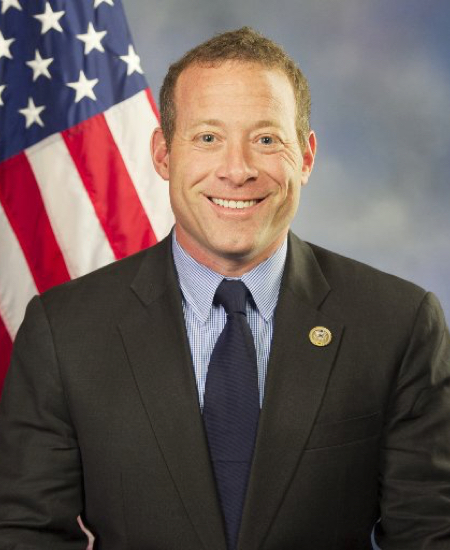
Rep. Josh Gottheimer
Sponsored bills
Maddy summaryThis bill requires the Director of National Intelligence to submit a report within 180 days of enactment detailing China's purchases of Iranian oil and financial transactions supporting Iran's ballistic missile program since 2020, including how China uses shell companies and transshipment points to avoid sanctions. The report must cover assessments of these activities and be sent to Congress and the Treasury Department. Six months after the report is submitted, the Treasury Secretary must determine whether China is engaging in sanctionable activities and report that finding to Congress. The bill directly affects U.S. government agencies (National Intelligence Director, Treasury, and Congress) and targets China's circumvention of sanctions on Iran.
Maddy summaryThis bill recognizes the service of individuals who were members of the U.S. Cadet Nurse Corps between July 1, 1943, and December 31, 1948, by treating that service as active duty for specific burial-related benefits. It requires the Secretary of Defense to issue an honorable discharge to eligible individuals within one year of the bill's enactment, designating their discharge date. The bill allows for commemorative items like service medals or plaques but clarifies that recipients will not receive most VA benefits (only headstones/markers under specific chapters of law). It directly affects living cadet nurses from that era and their families for burial purposes.
Maddy summaryThis bill directs the American Battle Monuments Commission to correct historical errors by identifying Jewish World War I and II veterans buried overseas under incorrect Christian markers (Latin crosses) and replacing them with appropriate markers. It establishes a 10-year program to contact families of affected veterans, with the Commission funding the effort at $500,000 annually through nonprofit contracts. The program specifically targets veterans buried in foreign U.S. military cemeteries with markers indicating non-Jewish faith, addressing a documented mistake affecting approximately 900 Jewish servicemembers. This directly affects Jewish veterans' families by honoring their heritage and correcting past burial inaccuracies.
Maddy summaryThis bill (HR 249) renames two specific facilities at Paterson Great Falls National Historical Park in honor of the late Congressman Bill Pascrell, Jr. The Great Falls Scenic Overlook Trail Bridge will be called "Bill Pascrell, Jr. Scenic Overlook Trail Bridge," and Overlook Park will be called "Bill Pascrell, Jr. Overlook Park." All federal references in laws, maps, documents, or records will automatically update to reflect these new names. As a procedural naming bill, it has no policy or funding impact beyond the official renaming of park features.
Maddy summaryHRES 934 is a symbolic resolution designating November 2025 as "Carbon Monoxide Action and Awareness Month" to promote public safety. It does not create new laws or funding but encourages nationwide education, prevention, and detection efforts to protect families from carbon monoxide poisoning. The resolution urges all U.S. households to install and maintain certified carbon monoxide alarms, test them regularly, and recognize poisoning symptoms. It specifically highlights that 36% of homes lack detectors and emphasizes collaboration between government agencies, health organizations, and communities to reduce risks. This resolution directly affects all U.S. residents, particularly vulnerable groups like children and the elderly, by advancing existing prevention strategies.
Maddy summaryHR 6041, the Rural Partnership and Prosperity Act, creates a new grant program to help rural communities coordinate federal, nonprofit, and private investments. It provides multiyear grants (2-5 years) to partnerships - including local governments, nonprofits, tribes, and institutions - that serve rural areas, with priority given to economically distressed regions, areas with high poverty, and communities historically underserved by federal programs. Grants require at least 25% non-Federal matching funds (with waivers available for tribes or high-poverty areas) and fund activities like reducing duplicate federal efforts, leveraging private investment, and developing strategic community plans. The bill also updates the Rural Partners Network to streamline federal coordination and improve access to funding for rural communities.
Maddy summaryThe STOP Scams Against Seniors Act directs federal Byrne funds to create elder justice task forces focused on preventing and investigating financial scams targeting seniors aged 60 and older. These task forces must coordinate with local law enforcement, prosecutors, and federal agencies like the FBI and FTC to address fraud. Grantees must report detailed data on cases opened, resolved, victims supported, scam types, and signs of organized crime, with the Attorney General submitting an annual summary to Congress. The bill directly affects seniors vulnerable to financial exploitation and the agencies implementing these task forces.
Maddy summaryThis bill (HR 6469) requires the U.S. State Department, in coordination with the FCC and Treasury, to submit a report within 120 days of enactment assessing internet access options in Iran. The report must evaluate the feasibility of using direct-to-cell wireless technology to expand internet access there, including technical, security, and regulatory considerations. It also analyzes how drone-based systems and signal jamming could affect such technology, surveys Iranian telecom providers (including state ownership and foreign investment), and examines broader implications for communications freedom. The bill does not enact new policy but mandates a government review of potential technological solutions.
Maddy summaryHR 6423, the HELP Copays Act, requires health insurance plans and coverage to count financial assistance from non-profits or drug manufacturers toward patient cost-sharing limits like deductibles and copayments. This directly affects patients enrolled in health insurance who receive such assistance for prescription drugs, ensuring the help they get reduces their out-of-pocket costs faster. The bill amends key health laws to mandate that these payments are included when calculating whether a patient has met their deductible or copayment threshold. The change applies to all prescription drugs, including specialty drugs and those subject to prior authorization, but does not alter how insurers manage drug access through tools like step therapy. It takes effect for plan years starting in 2026.