

Maddy summaryHR 6682, the Endometriosis CARE Act, requires federal agencies to advance research, improve treatment access, and increase awareness for people with endometriosis - a chronic condition causing pelvic pain and fertility challenges affecting an estimated 10% of reproductive-age individuals. The bill mandates $50 million annually for NIH research on endometriosis treatments and cures, directs HHS to analyze barriers like insurance coverage and provider shortages in accessing care, and funds public education campaigns targeting underserved racial, ethnic, and minority groups. It also requires HHS to develop provider training materials on diagnosis and care, and to commission a National Academies study on disparities in endometriosis treatment across race, geography, and insurance status. The legislation focuses on data collection, education, and research rather than altering existing insurance coverage or treatment protocols.
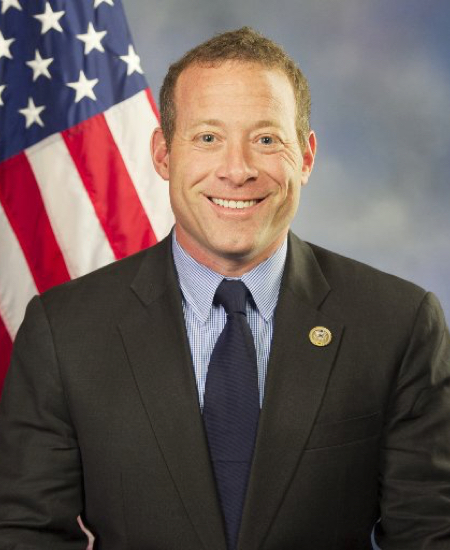
Rep. Josh Gottheimer
Sponsored bills
Maddy summaryThe Keeping All Students Safe Act prohibits the use of unlawful seclusion and restraint in schools receiving federal funding, including physical restraint that restricts breathing or blood flow, chemical restraint not prescribed for medical treatment, and mechanical restraint. The bill requires schools to use less restrictive interventions first, mandates that staff using physical restraint be trained and certified through State-approved programs, and requires immediate parent notification after any restraint incident. States must develop plans to monitor compliance, collect and report data on restraint incidents (disaggregated by race, disability status, and school type), and implement positive behavioral interventions. The bill provides $40 million annually for five years to support states in implementing these requirements and improving school climate through evidence-based approaches.
Maddy summaryHR 6651 requires federal agencies (including the FBI, Homeland Security, and USPS) to develop a coordination strategy within 180 days to improve information sharing on organized retail crime networks. The strategy must help state/local law enforcement gather evidence for prosecutions and boost collaboration between agencies, retailers, and crime task forces. Agencies must submit a joint report within 180 days, and the Comptroller General will publish a separate report on private-sector law enforcement cooperation within one year. The bill defines "organized retail crime" as coordinated theft or fraud for interstate distribution of stolen goods, directly affecting federal agencies, law enforcement, and the retail industry.
Maddy summaryHR 6678, the Senior Legal Hotline Act of 2025, authorizes $10 million annually (2027-2031) to fund competitive grants for nonprofits or government partnerships to establish or operate statewide legal hotlines serving older adults. The hotlines must provide free, phone-based legal counseling, referrals, and advocacy on civil issues to seniors with the greatest economic or social need, coordinating with existing legal aid providers across each state. Grantees must contribute 25% of costs from non-Federal funds and ensure staff/volunteers have no conflicts of interest. This bill directly affects older individuals facing legal barriers they cannot afford to resolve, expanding access to free legal assistance through a coordinated state network.
Maddy summaryThe Safer Schools Act of 2025 establishes a 5-year federal pilot program providing grants to public schools for security risk assessments and physical security upgrades. Public schools that have experienced violent incidents involving multiple people are prioritized for both types of grants. Schools receiving assessment grants must first identify vulnerabilities, while improvement grants fund specific security measures like panic alarms linked to local police, with federal funds covering up to 50% of costs. The program allocates $600 million total ($100M-$300M annually), requiring schools to submit financial reports and post-implementation safety surveys, with annual congressional reports tracking outcomes.
Maddy summarySammy's Law requires large social media platforms (those with over 100 million monthly users or $1 billion in annual revenue) to create real-time tools allowing parents or third-party safety software providers to help protect children under 17 from online harms. Platforms must provide secure access to children's account data for safety software providers that register with the Federal Trade Commission and meet strict security and privacy requirements. Third-party providers can only use the data to address specific risks like cyberbullying, trafficking, or abuse, and must delete data after 14 days unless needed for a safety concern. The law creates a federal standard that prevents states from making their own rules about this type of platform access.
Maddy summaryThis concurrent resolution (HCONRES 65) is a symbolic congressional commendment of state and local governments that have affirmed reproductive rights as human rights. It recognizes efforts by jurisdictions like Carrboro, North Carolina; Austin, Texas; and Fulton County, Georgia, which passed resolutions or proclamations declaring abortion access a human right and condemning criminalization of pregnancy outcomes. The resolution urges states to repeal restrictive abortion laws and protect access to reproductive care, but it does not create new legal requirements or fund programs. As a procedural resolution, it has no binding effect on federal or state law.
Maddy summaryHR 6575, the CommonGround for Affordable Health Care Act, extends enhanced premium tax credits for health insurance through 2026, directly benefiting millions of lower and middle-income Americans purchasing coverage through the ACA marketplace. The bill modifies income thresholds for premium subsidies, creating new income tiers that maintain or increase financial assistance for households earning up to 1,000% of the poverty level. It includes provisions to prevent fraud in health insurance exchanges by imposing civil penalties on agents and brokers who provide false information, and requires transparency in pharmacy benefit manager contracts to improve drug pricing accountability. The legislation also extends the annual open enrollment period for health insurance exchanges for the 2026 plan year, allowing more time for people to enroll or change coverage.
Maddy summaryHR 6592 redefines Medicaid-covered "private duty nursing" as "continuous skilled nursing services" for complex-care patients requiring multiple hours of daily nursing care (as determined by states), mandating these services be provided by licensed nurses (RNs or LPNs). It requires the Secretary to develop national quality standards for these services through a stakeholder working group, to be published within one year. The bill also updates Medicaid waiver services and quality measures to include continuous skilled nursing services, with standards reviewed every eight years. This directly affects complex-care Medicaid beneficiaries and their nursing providers across all states.
Maddy summaryThis bill expands Medicare coverage for home infusion therapy by changing how external infusion pumps and certain non-self-administered drugs are treated as durable medical equipment. It requires that these items be covered if three conditions are met: the drug's FDA-approved instructions require professional supervision, a qualified home infusion supplier administers/supervises the therapy at home, and the drug requires at least 12 infusions annually (either IV/subcutaneous or at pump-requiring rates). The bill directly affects Medicare beneficiaries needing long-term infusion drugs and qualified home infusion therapy suppliers. It also mandates that Medicare notify patients about cost-sharing differences between home infusion therapy and other care settings. This policy change clarifies coverage for specific home-based infusion treatments under defined safety and frequency requirements.