

Maddy summaryHRES 688 is a non-binding House resolution expressing support for designating September 16-23, 2023, as "National Estuaries Week." It highlights estuaries' critical role in the U.S. economy, noting they support 39% of jobs, 47% of economic output, and 68% of commercial fish by value. The resolution aims to raise public awareness about estuaries' ecological importance - such as providing habitat for fish, flood control, and carbon sequestration - and encourages efforts to protect and restore them. It does not create new laws or funding but symbolically acknowledges ongoing conservation work by federal, state, and community partners.
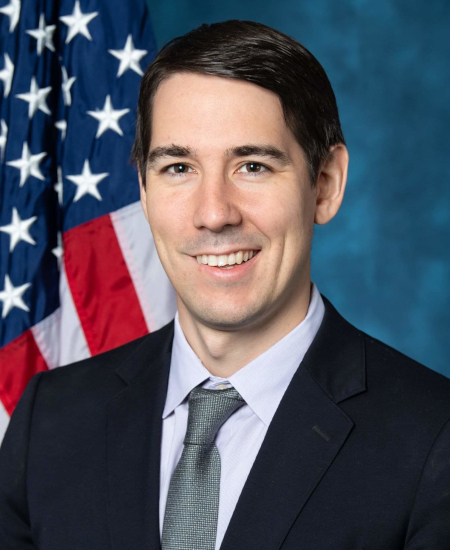
Rep. Josh Harder
Sponsored bills
Maddy summaryHR 5491 requires large athletic associations (with at least 900 member colleges, like the NCAA) to follow strict due process when investigating member schools for rule violations. It mandates written notices within 60 days detailing allegations, sets a 1-year deadline for public hearings, and bans confidential sources from evidence. The law also creates binding arbitration for disputes and requires annual reports to the Attorney General. This directly affects the NCAA and its member colleges by changing investigation and enforcement procedures.
Maddy summaryHR 5483 establishes a Water Infrastructure and Drought Solutions Fund that will provide $750 million annually from 2032-2062 for water storage, reclamation, and reuse projects in Western states. The bill directs 50% of these funds to new water storage projects (with federal funding capped at 50% of project costs), 25% to water reclamation projects, and 25% to WaterSMART grants. It requires the Secretary of the Interior to evaluate groundwater storage opportunities in Western states, particularly in critically overdrafted basins, and creates a pilot program to provide financial assistance for water infrastructure projects in eligible states. The bill also increases funding for water recycling projects from $50 million to $500 million annually through 2027.
Maddy summaryHR 3389, the Emergency Wildfire Fighting Technology Act of 2023, requires the Secretaries of Agriculture and Interior, along with key aviation committees, to evaluate the use of container aerial firefighting systems (CAFFS) for wildfire suppression within 60 days of enactment. The bill mandates that agencies update their deployment protocols for CAFFS based on this evaluation within 90 days, and submit reports to specific congressional committees detailing both the evaluation results and protocol changes. This bill directly affects federal wildfire management agencies and their operational procedures, focusing on assessing and refining the use of an existing aerial firefighting technology. It does not create new funding or alter wildfire policy, but establishes a timeline for evaluating and implementing CAFFS protocols.
Maddy summaryHR 3152, the "Fight CRIME Act," aims to maintain international restrictions on Iran's missile-related activities by requiring diplomatic efforts to extend these restrictions before they expire in October 2023. The bill mandates annual reports detailing U.S. diplomatic strategies, potential impacts of expiration, and measures to deter missile technology transfers to Iran. It establishes sanctions against foreign individuals or entities that knowingly support Iran's missile or drone programs, including asset freezes and visa restrictions. These sanctions apply regardless of whether UN restrictions remain in effect after their expiration, directly affecting foreign entities involved in these activities.
Maddy summaryHR 5419, the Direct Seller and Real Estate Agent Harmonization Act, amends the Fair Labor Standards Act to exclude direct sellers (like door-to-door sales representatives) and qualified real estate agents from the federal definition of "employee." This change means these workers would no longer be automatically covered by federal minimum wage and overtime protections under the Fair Labor Standards Act. The bill directly affects individuals working in these specific roles by altering their legal classification under labor law. The key provision is a new definition inserted into existing law, aligning labor classification with existing tax code definitions for these professions.
Maddy summaryThis resolution supports designating September 22 as "National Military and Veterans Suicide Awareness Day" to raise public awareness about suicide prevention among active-duty service members and veterans. It does not create new policies or funding but aims to highlight mental health challenges like PTSD and depression that contribute to higher suicide rates in these communities. The resolution emphasizes reducing stigma and encouraging help-seeking during Suicide Prevention Awareness Month (September). It directly affects military personnel, veterans, and the public by promoting national attention to this issue through a designated awareness day.
Maddy summaryHR 5383, the GIVE MILK Act, amends the Child Nutrition Act to allow WIC participants with young children to choose their preferred milk type (whole, low-fat, or nonfat) instead of receiving a default option. This change directly affects WIC participants caring for children aged 12 months to 4 years, aligning with dietary guidelines for that age group. The key provision requires the Secretary of Agriculture to issue the milk type elected by the participant or their guardian, updating WIC program regulations under Section 17(f) of the Child Nutrition Act. The bill focuses on enabling participant choice based on established nutritional recommendations for childhood development.
Maddy summaryThis bill allows the President to declare a "smoke emergency" when wildfire smoke causes a significant drop in air quality across one or more states, following a request from a state governor. If declared, the federal government (via FEMA and other agencies) can provide direct assistance to affected states and communities, including grants for smoke shelters, air purifiers, and air monitoring equipment. It also authorizes the Small Business Administration to offer grants to small businesses that suffer significant revenue loss due to the smoke emergency. The bill includes a budget provision ensuring funds for this assistance won't count toward deficit reduction targets.
Maddy summaryThe Safeguarding Our Levees Act (HR 5304) requires the federal government to initiate repairs or rehabilitation of flood control infrastructure - such as levees - within 180 days of a request from a local non-Federal sponsor (e.g., a city or county). It also mandates that non-Federal sponsors cover 25 percent of the project cost difference under existing cost-sharing rules. This bill directly affects local communities managing flood control projects and the federal Corps of Engineers, aiming to accelerate repairs and clarify funding responsibilities. The changes apply to projects under the Flood Control Act of 1941, focusing on concrete procedural and financial adjustments.