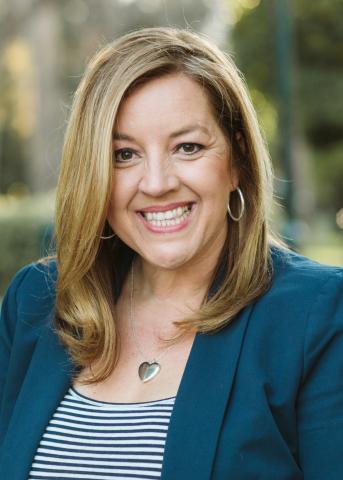
Photo of Angelique Ashby
D California Senate · District 8 On the 2026 ballot

Sen. Angelique Ashby

Compare
Total votes
12,934
all sessions
Attendance
97%
220 missed
Near the chamber average
With party
99%
of cast votes
Near the chamber average
Bipartisan score
0%
crosses aisle rarely
Near the chamber average
Sponsored
266
bills & resolutions
Near the chamber average
Committees
12
assignments
266 bills and resolutions

Sponsored bills

Total
266
Primary
85
Co-sponsor
181
This page
266
matching current filters
Co-sponsor SCR 129
Signed into law · California Senate · Co-sponsor
Relative to the Rusty Areias Highway.

This measure would designate a specified portion of State Highway Route 152 in the County of Santa Clara as the Rusty Areias Highway. The measure would request that the Department of Transportation determine the cost of appropriate signs showing this special designation and, upon receiving donations from nonstate sources sufficient to cover the cost, to erect those signs.

Signed into law Aug 24, 2026 1 co-sponsor
Primary SB 1050
Passed · California Senate · Lead sponsor
False advertising: synthetic performers.

Existing law makes it a misdemeanor for a person or a firm, corporation, or association, or any employee thereof, to engage in false or misleading advertising practices. Existing law makes various unfair competition practices unlawful, including any unlawful, unfair, or fraudulent business act or practice and unfair, deceptive, untrue, or misleading advertising. This bill would make it an unlawful advertising practice for a person to create and cause to be published in an advertising medium an advertisement that prominently includes a synthetic performer without a clear and conspicuous disclosure that the advertisement includes a synthetic performer. The bill would prohibit an advertising medium from transmitting, distributing, displaying, airing, or otherwise making available an advertisement containing a synthetic performer if a court of competent jurisdiction has issued an order finding that the advertisement violates the bill's provisions or enjoining the creator from publishing the advertisement, and the advertising medium is served with the order, as specified. The bill would define various terms for these purposes. By expanding the scope of a crime, the bill would impose a state-mandated local program. The California Constitution requires the state to reimburse local agencies and school districts for certain costs mandated by the state. Statutory provisions establish procedures for making that reimbursement. This bill would provide that no reimbursement is required by this act for a specified reason.

Passed Aug 19, 2026 0 co-sponsors
Co-sponsor SCR 152
Signed into law Aug 18, 2026 1 co-sponsor
Co-sponsor SR 129
Passed · California Senate · Co-sponsor
Relative to Women's Equality Day.

Maddy summaryThis California Senate Resolution designates August 26, 2026, as Women's Equality Day to mark the anniversary of the Nineteenth Amendment granting women the right to vote. The text highlights historical milestones in the women's rights movement while acknowledging that significant gaps remain in areas such as fair pay, workplace safety, and access to healthcare. It also notes recent progress, including gender parity in the state Senate and increased representation on the U.S. Supreme Court. No new laws or funding are created; the bill serves solely as a formal commemorative statement.

Passed Aug 13, 2026 1 co-sponsor
Co-sponsor SR 135
Passed · California Senate · Co-sponsor
Relative to 40th Infantry Division of the California National Guard.

Maddy summarySenate Resolution 135 is a commemorative measure that formally honors the 40th Infantry Division of the California National Guard for its more than century-long history of service. The resolution highlights the unit's contributions in major conflicts, including World War I, World War II, the Korean War, and post-9/11 operations, as well as its role in responding to natural disasters within California. It specifically acknowledges the division's Medal of Honor recipients and notes that Major General Laura L. Yeager became the first woman to command an infantry division in 2019. The bill directs the Secretary of the Senate to send copies of the resolution to the Adjutant General of California, the division commander, and the author for distribution.

Passed Aug 13, 2026 1 co-sponsor
Co-sponsor SB 1054
Passed · California Senate · Co-sponsor
Unemployment insurance: reporting requirements.

Existing law provides for unemployment compensation benefits for eligible individuals in the state who are unemployed through no fault of their own. Existing law requires an employer, as defined, to make contributions for unemployment insurance premiums and to file specified reports with the Director of Employment Development, including, among other reports, a report of contributions, a quarterly return, and a report of wages paid, as specified. This bill would require the Employment Development Department to work with employers to enhance the reporting of employment and earning data, as specified, and, where feasible, to align and streamline definitions and requirements for the report of wages, deploy user-friendly application programming interfaces, and implement other means to simplify reporting processes. The bill would require, beginning July 1, 2027, every employer with 10 or more employees and every individual or organization that, as an agent, reports wages on behalf of one or more employers with 10 or more employees, as specified, to include in the report of wages, information on total monthly wage, industry, occupation, worker type, and hours worked for each employee, as provided. This bill would require the department, on or before July 1, 2027, to adopt and develop appropriate procedures for the sharing of hours worked and other necessary employment data to support employment-related verifications for initial eligibility for, and ongoing receipt of, public benefits, and to enable access to relevant wage data, as specified. The bill would require the department to work with the California Statewide Automated Welfare System (CalSAWS) to develop and implement the necessary system changes to implement the data sharing process to verify hours worked for those public benefits. The bill would also require or authorize the department to work with other specified state agencies relating to reporting requirements on workforce and employment. This bill would require the department to use existing federal and state grant funds to the extent available and to implement the bill's provisions on or before July 1, 2027, except that, the bill would require the department to begin the data sharing process to verify hours worked for the public benefits, as described above, on January 1, 2028, or when the department notifies the Legislature that CalSAWS can perform the necessary automation to implement the data sharing process, whichever is later. Under existing law, the information obtained in the administration of the Unemployment Insurance Code is for the exclusive use and information of the Director of Employment Development in the discharge of their duties and is not open to the public. However, existing law requires the director to permit the use of the information for specified purposes, including to enable governmental agencies to verify or determine eligibility for public social services. Existing law provides that a person who knowingly accesses, uses, or discloses this confidential information without authorization is guilty of a misdemeanor. This bill would also require the director, on or before January 1, 2028, to enable the State Department of Social Services and the State Department of Health Care Services to access hours worked and other necessary employment data to support employment-related verifications for initial eligibility for, and ongoing receipt of, public benefits, as prescribed. The bill would further require the director, on or before January 1, 2028, to enable the Office of the California Education Interagency Council to access any relevant wage data necessary for the council's specified purposes. By expanding the scope of a crime, this bill would impose a state-mandated local program. Existing constitutional provisions require that a statute that limits the right of access to the meetings of public bodies or the writings of public officials and agencies be adopted with findings demonstrating the interest protected by the limitation and the need for protecting that interest. This bill would make legislative findings to that effect. The California Constitution requires the state to reimburse local agencies and school districts for certain costs mandated by the state. Statutory provisions establish procedures for making that reimbursement. This bill would provide that no reimbursement is required by this act for a specified reason.

Passed Aug 13, 2026 1 co-sponsor
Primary SB 1010
Passed · California Senate · Lead sponsor
Hazardous waste: major appliances: recycling.

Under existing law, the Department of Toxic Substances Control is required to implement and enforce certain laws related to the recycling of major appliances, as defined. Existing law prohibits a person, other than a certified appliance recycler, as defined, from removing materials that require special handling from a major appliance. Existing law requires a person, including, but not limited to, a certified appliance recycler, who transports, delivers, or sells discarded major appliances to a scrap recycling facility, as defined, to retain onsite records demonstrating compliance with certain laws related to the recycling of major appliances, as provided. A violation of the hazardous waste control laws is a crime. This bill would require a person, including, but not limited to, a certified appliance recycler, who transports, delivers, or sells discarded major appliances to a scrap recycling facility to also provide those documents to the department, as specified. By expanding the scope of a crime, the bill would impose a state-mandated local program. Existing law requires a person wishing to operate as a certified appliance recycler to submit an initial or renewal application to the department, under penalty of perjury. Existing law requires the application to include, among other things, a description of the ability of the applicant to properly remove and manage all materials that require special handling. Existing law requires the department to review an application for completeness and, upon a determination that the application is complete and meets the requirements of certain laws related to the recycling of major appliances, to issue a numbered certificate to the applicant. Existing law requires the applicable certified unified program agency (CUPA) , as soon as practicable after receiving the application and certification from the department, to inspect the certified appliance recycler's facility, as provided. This bill would require the application to also include a description of the applicant's facility and registration with the CUPA, as specified. By expanding the scope of a crime, the bill would impose a state-mandated local program. The bill would require the department to review the application, visit the applicant's facility, and, upon determination that the application is complete and meets the requirements of certain laws related to the recycling of major appliances and applicable laws regarding hazardous waste, issue a numbered certificate to the applicant. The bill would require the CUPA to inspect the certified appliance recycler's facility as soon as practicable, but no later than 6 months after the issuance of the certificate. By creating a new requirement on a CUPA, the bill would impose a state-mandated local program. The bill would authorize the department to impose a charge on an applicant for initial certification and on a certified appliance recycler for renewal to cover the department's reasonable and actual regulatory costs for implementing certain laws relating to the recycling of major appliances, including, but not limited to, the adoption of regulations, as specified. This bill would require a scrap recycling facility to only accept an appliance from a certified appliance recycler or a person otherwise authorized to transport, deliver, or sell discarded major appliances. The bill would require a scrap recycling facility to document each appliance received and to confirm, under penalty of perjury, that materials that require special handling have been removed from the appliance. By expanding the scope of a crime, the bill would impose a state-mandated local program. Existing law requires the department to develop a statewide list of appliance recyclers, used appliance dealers, solid waste facilities, metal scrapyards, and others who may remove, or do business with those who remove, from major appliances, materials that require special handling, as specified. Existing law requires the department to transmit a copy of the Appliance Recycling Guide, published by the California Integrated Waste Management Board, and certain other materials and information, to waste generators and enforcement officers, as provided. This bill would repeal those provisions and instead require the department to post on its internet website a list of certified appliance recyclers and the number of appliances processed by certified appliance recyclers and accepted by scrap recycling facilities, as specified. The California Constitution requires the state to reimburse local agencies and school districts for certain costs mandated by the state. Statutory provisions establish procedures for making that reimbursement. This bill would provide that with regard to certain mandates no reimbursement is required by this act for a specified reason. With regard to any other mandates, this bill would provide that, if the Commission on State Mandates determines that the bill contains costs so mandated by the state, reimbursement for those costs shall be made pursuant to the statutory provisions noted above.


Passed Aug 13, 2026 0 co-sponsors
Co-sponsor SB 381
Passed · California Senate · Co-sponsor
Vital records: adoptees' birth certificates.

Existing law prohibits an agency from disclosing personal information that would link the information to the individual unless, among other things, the information is provided to a governmental entity by law, or the disclosure is to the individual to whom the information pertains. Existing law makes vital records related to adoptions, other than a newly issued birth certificate, available only upon the order of the superior court of the county of residence of the adopted child or of the county granting the order of adoption. This bill would authorize, beginning on July 1, 2028, the disclosure of an original birth certificate, as defined, to an adopted person, or descendant, as defined, of a deceased adopted person, would require the State Registrar to provide a copy of the original birth certificate to those persons, and would establish a process to request an original birth certificate, as specified. The bill would also require the State Registrar to create and make available to a birth parent a contact preference form on or before July 1, 2028, containing certain elections that would be available for release when a request for an original birth certificate is made. Existing law requires the clerk of the court to report the decree to the State Registrar within 5 days after a decree of adoption. Existing law requires the State Registrar to generate a new birth certificate when the State Registrar receives a report of adoption from a specified court or when the State Registrar receives a specified court order. Existing law requires the new birth certificate to bear certain information and be identical to the certificate issued to the natural parents, except, when requested by the adopting parents, the certificate is required to omit the facility of birth and the race and color of the parents. This bill would remove the adopted parents exception described above that required the certificate to omit the facility of birth and the race and color of the parents. Existing law authorizes the adopting parents to request an amended certificate that omits, among other things, the city and county of birth, or the color and race of the parents. This bill would repeal that authorization.

Passed Aug 13, 2026 1 co-sponsor
Primary SB 562
Passed · California Senate · Lead sponsor
Bail.

Existing law provides for the procedure of approving and accepting bail, and issuing an order for the appearance and release of an arrested person. Existing law requires the superior court judges in each county to prepare, adopt, and annually revise a uniform countywide schedule of bail, as specified, and requires the superior court judges, when adopting that schedule, to consider the seriousness of the offense charged and assign an additional amount of required bail for each aggravating or enhancing factor chargeable in the complaint, as specified. This bill would require a court, if, within 21 days after the posting of a bond by a defendant, the terms and conditions of the bond are changed or altered or the charges against the defendant are dismissed, either by order of the court or upon the motion of the district attorney, after a hearing, to order a compensated surety to refund up to 80% of the premium paid by a defendant, if necessary and supported by factual findings, if the court finds that one party unfairly benefits or receives something of value at another party's expense, and the interests of justice require them to return the maximum allowable premium or otherwise compensate the other party. The bill would prohibit a court from ordering a refund of any premium if more than 30 days have elapsed after posting of a bond by a defendant.

Passed Aug 13, 2026 0 co-sponsors
Co-sponsor SCR 166
Signed into law · California Senate · Co-sponsor
Relative to Soju Day.

Maddy summaryThis bill designates September 20, 2026, as Soju Day within the state to honor the traditional Korean alcoholic beverage. The measure does not alter existing laws regarding alcohol sales or consumption but serves as a commemorative observance. It requires no changes to regulations or funding, functioning solely as a symbolic recognition of cultural heritage.

Signed into law Aug 11, 2026 1 co-sponsor
Showing 11 to 20 of 266 bills