

(1) Existing federal law, the McKinney-Vento Homeless Assistance Act, provides grants to states to carry out activities relating to the education of homeless children and youths, as defined, including, among others, providing services and activities to improve the identification of homeless children and youths and to enable them to enroll in, attend, and succeed in school. The act requires a state plan submitted for the receipt of the grant to include assurances that local educational agencies will designate an appropriate staff person to act as a local educational agency liaison for homeless children and youths and a description of how the state will ensure that local educational agencies and their liaisons will comply with specified requirements of the act, including the identification of homeless children and youths. Under existing state law, public schools, including charter schools, and county offices of education are required to immediately enroll a homeless child or youth seeking enrollment, except as specified. Existing law requires a local educational agency liaison for homeless children and youths to ensure that public notice of the educational rights of homeless children and youths is disseminated in schools within the liaison's local educational agency that provide services pursuant to the act. This bill would require a local educational agency, as defined to include a school district, county office of education, charter school, or special education local plan area, to establish homeless education program policies that are consistent with specified state laws, and would further require the local educational agency to update these policies at intervals not exceeding 3 years. The bill would require local educational agencies to provide training at least annually on designated subjects to its classified and certificated employees who work with pupils, as specified. By imposing additional duties on local educational agencies, the bill would impose a state-mandated local program. (2) Existing law requires the State Department of Education to provide, among other things, informational and training materials to local educational agency liaisons regarding the educational rights of homeless children and youths and the responsibilities of the liaisons. This bill would require the department to develop and implement a plan for monitoring the compliance of local educational agencies with state laws relating to youth experiencing homelessness. The bill would require the monitoring plan to include reviews of the local educational agencies including, but not limited to, schoolsite inspections to ensure that the state is not underestimating the number of youth experiencing homelessness. (3) The California Constitution requires the state to reimburse local agencies and school districts for certain costs mandated by the state. Statutory provisions establish procedures for making that reimbursement. This bill would provide that, if the Commission on State Mandates determines that the bill contains costs mandated by the state, reimbursement for those costs shall be made pursuant to the statutory provisions noted above.
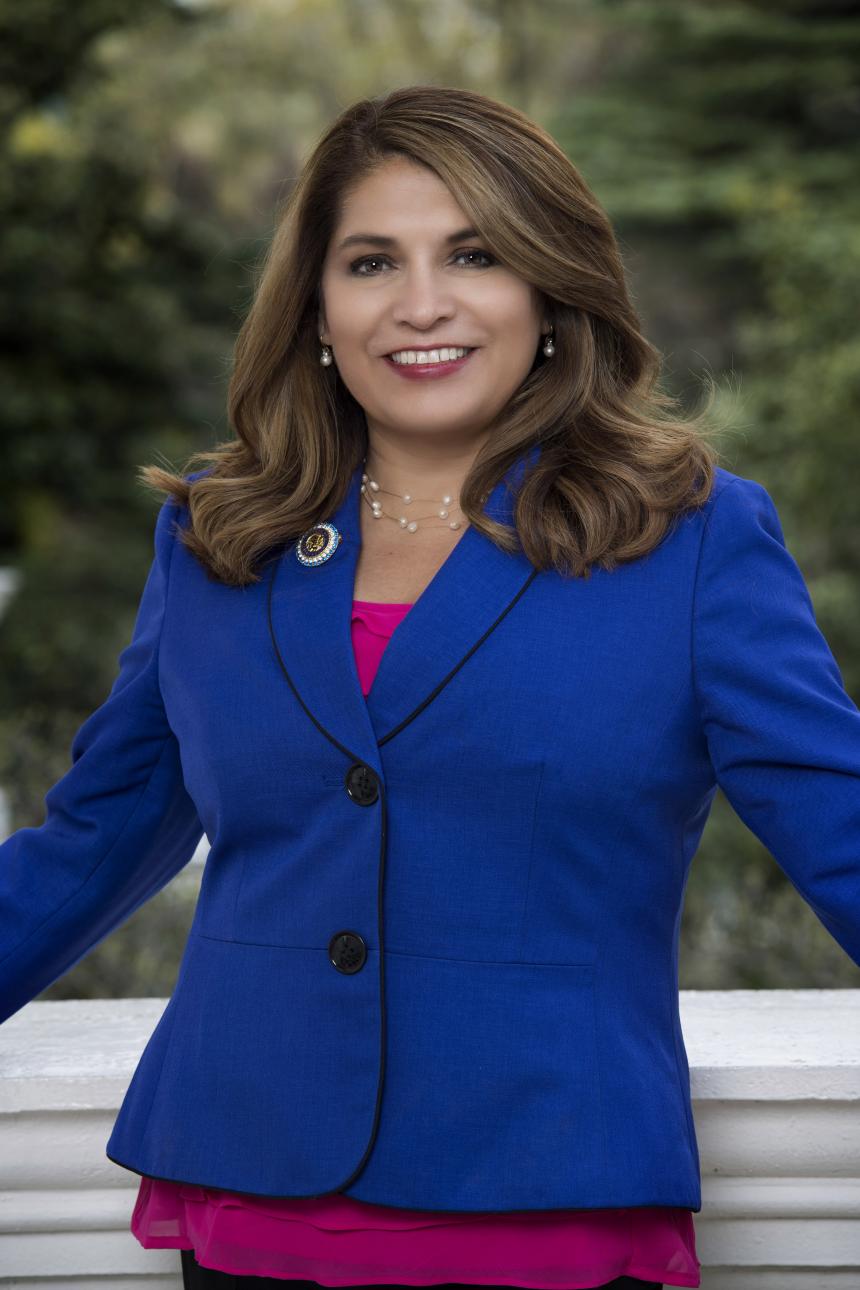
Asm. Sharon Quirk-Silva
Sponsored bills
This measure would declare March 5, 2020, as Family Justice Center Day in California and would recognize the lifesaving and hope-giving work of the California Family Justice Center Network and its member Family Justice Centers as they work with rape crisis centers, domestic violence shelters, human trafficking agencies, prosecutors' offices, law enforcement agencies, and other professionals and community-based organizations to ensure that adult and child survivors of trauma can access all of their services in one setting.
This measure would recognize March 7, 2020, as California Arbor Day, and would urge California residents to observe the day with appropriate tree-planting activities and programs.
This measure would memorialize the achievements of Rosa Parks in the Civil Rights Movement and would commemorate the 20th Anniversary of Rosa Parks Day in California on February 4, 2020.
Existing law provides that the general fund of a county consists of money received in the treasury and not specially appropriated to any other fund. Existing law provides for the allocation of state moneys under various housing programs to counties for specified purposes, including, among others, the Multifamily Housing Program. This bill would require a county that receives qualified state housing funds, defined to include specified moneys received under various housing programs, to ensure, to the extent practicable and consistent with the terms of any applicable law, equitable distribution of those moneys, as provided. The bill would exclude from these requirements state housing funds received pursuant to a program that requires the county to dedicate moneys received under that program to a particular project. By adding to the duties of local officials with respect to allocating certain state moneys, this bill would impose a state-mandated local program. The California Constitution requires the state to reimburse local agencies and school districts for certain costs mandated by the state. Statutory provisions establish procedures for making that reimbursement. This bill would provide that, if the Commission on State Mandates determines that the bill contains costs mandated by the state, reimbursement for those costs shall be made pursuant to the statutory provisions noted above.
Article XIX of the California Constitution requires revenues from state excise taxes on gasoline and diesel fuel for use in motor vehicles upon public streets and highways, over and above the cost of collection and any refunds authorized by law, to be used for various street and highway purposes and for certain mass transit guideway purposes. Existing law creates the Highway Users Tax Account and requires the Controller to distribute by formula a portion of gasoline and diesel excise tax revenues in the Highway Users Tax Account to cities based on their population and to counties based on their number of registered vehicles and maintained miles of county roads. Existing law requires the board of supervisors of each county to establish a road fund to receive those moneys distributed from the Highway Users Tax Account and authorizes the board to deposit other moneys available for roads in its road fund. Existing law requires a county to expend moneys deposited its road fund exclusively for county roads for the transportation purposes authorized by Article XIX of the California Constitution or for other public street and highway purposes as provided by law. This bill would expand the purposes for which a county may spend moneys deposited into its road fund to include any street or road within the county. If a county expends moneys received from the Highway Users Tax Account for streets and roads within the county, the bill would require the county to use those funds equitably throughout the county to identify and improve streets and roads that have the highest need. Before a county expends moneys received from the Highway Users Tax Account, the bill would require the board of supervisors to consult with cities located in the county to identify opportunities for collaborative transportation projects to improve local streets and roads. By requiring counties to consult with cities in this manner, the bill would impose a state-mandated local program. The California Constitution requires the state to reimburse local agencies and school districts for certain costs mandated by the state. Statutory provisions establish procedures for making that reimbursement. This bill would provide that, if the Commission on State Mandates determines that the bill contains costs mandated by the state, reimbursement for those costs shall be made pursuant to the statutory provisions noted above.
Existing law requires specified categories of law enforcement officers to meet training standards pursuant to courses of training certified by the Commission on Peace Officer Standards and Training. Existing law requires the commission to implement a course or courses of instruction for the training of law enforcement officers in California in the handling of domestic violence complaints and also to develop guidelines for law enforcement response to domestic violence. Existing law authorizes an immediate family member of a person or a law enforcement officer to request a court to issue a gun violence restraining order that would prohibit a person from, among other things, purchasing or possessing a firearm or ammunition, as specified. This bill would require the commission to develop and implement, on or before January 1, 2022, a course of training for those law enforcement officers regarding gun violence restraining orders. The bill would require the course to be incorporated into the course or courses of basic training for law enforcement officers on or before January 1, 2022, and would require the course or courses to include specified topics, including the process of filing a petition for a gun violence restraining order and situational training to assist officers in identifying when a gun violence restraining order is appropriate. The bill would authorize law enforcement officers and administrators to participate in supplementary training that includes these topics.