

Existing law, the Mental Health Services Act (MHSA) , an initiative measure enacted by the voters as Proposition 63 at the November 2, 2004, statewide general election, funds a system of county mental health plans for the provision of mental health services, as specified. The act establishes the Mental Health Services Fund, which is continuously appropriated to, and administered by, the State Department of Health Care Services to fund specified county mental health programs. This bill would require the department to establish a pilot program in up to 10 counties, as specified, and would authorize funding from the MHSA, commencing January 1, 2022, and continuing until January 1, 2027, to be used by participating counties to treat a person with cooccurring mental health and substance use disorders when the person would be eligible for treatment of the mental health disorder pursuant to the MHSA. The bill would also authorize participating counties during the specified time period to use MHSA funds to assess whether a person has cooccurring mental health and substance use disorders and to treat a person who is preliminarily assessed to have cooccurring mental health and substance use disorders, even when the person is later determined not to be eligible for services provided with MHSA funds. The bill would require a person being treated for cooccurring mental health and substance use disorders who is determined to not need the mental health services that are eligible for funding pursuant to the act, to be, as quickly as possible, referred to substance use disorder treatment services. By authorizing the use of continuously appropriated funds for a new purpose, this bill would make an appropriation. This bill would require the department to submit a progress report to the Legislature on the efficacy of the pilot program on or before July 1, 2023, and to submit a final report to the Legislature on the efficacy of the pilot program not later than July 1, 2027.
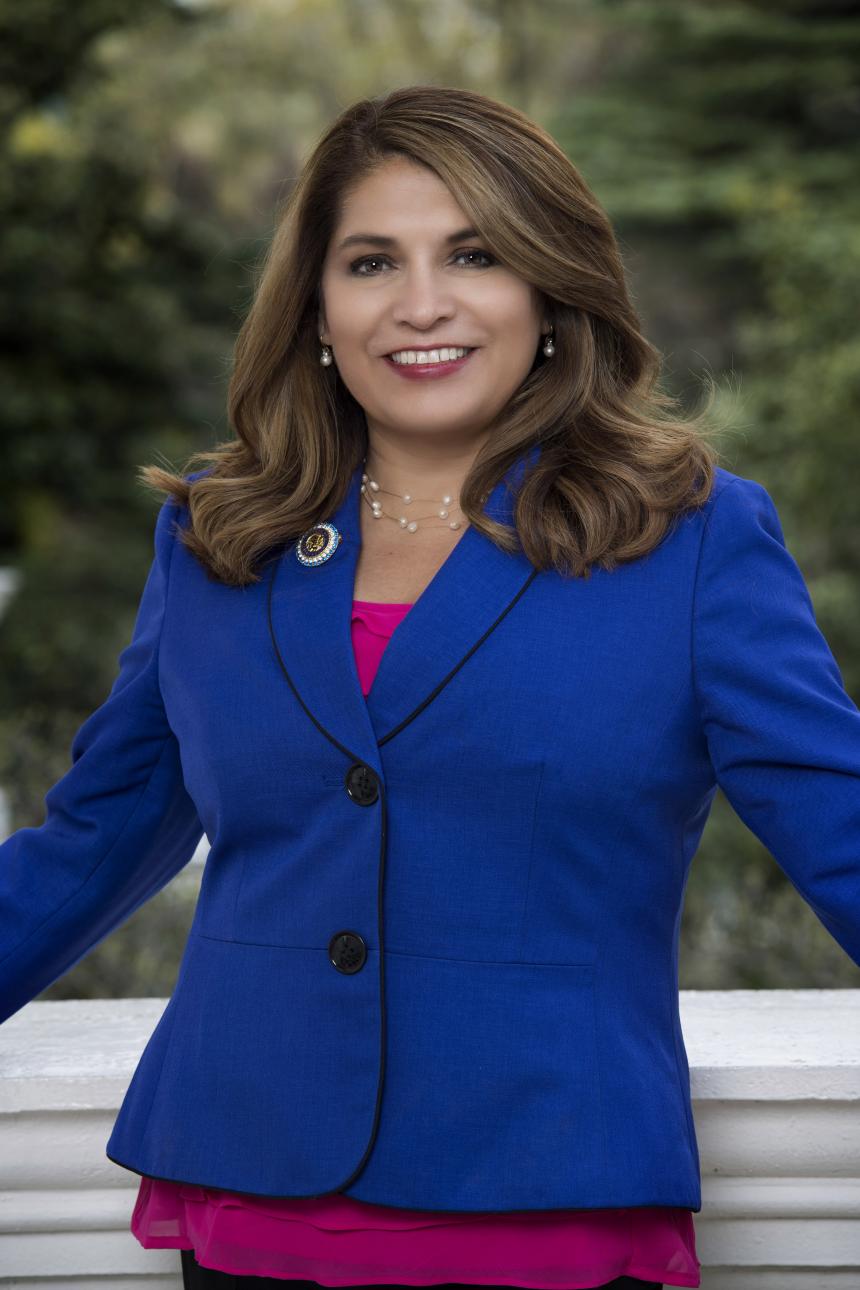
Asm. Sharon Quirk-Silva
Sponsored bills
Existing law, as amended by the Californians Against Sexual Exploitation Act, an initiative measure enacted by the approval of Proposition 35 at the November 6, 2012, statewide general election (CASE Act) , proscribes the crime of human trafficking, a felony. The CASE Act makes a person who causes, induces, or persuades, or attempts to cause, induce, or persuade, a person who is a minor at the time of commission of the offense to engage in a commercial sex act with the intent to effect or maintain a violation of specified other offenses, including child pornography and extortion, guilty of human trafficking, a felony. Existing law makes that crime punishable by imprisonment in the state prison for 5, 8, or 12 years and a fine of not more than $500,000, or, if the offense involves force, fear, fraud, deceit, coercion, violence, duress, menace, or threat of unlawful injury to the victim or another person, 15 years to life and a fine of not more than $500,000. The Legislature may amend the CASE Act by a statute passed in each house by a majority vote. This bill would expand the scope of that crime by making a person who causes, induces, or persuades, or attempts to cause, induce, or persuade, an adult, whom the person reasonably believes to be a minor at the time of commission of the offense, to engage in a commercial sex act with the intent to effect or maintain a violation of specified other offenses, including child pornography and extortion, guilty of human trafficking and subject to the penalties described above. By changing the definition of a crime, the bill would impose a state-mandated local program. The California Constitution requires the state to reimburse local agencies and school districts for certain costs mandated by the state. Statutory provisions establish procedures for making that reimbursement. This bill would provide that no reimbursement is required by this act for a specified reason. The bill would declare that its provisions further the objectives of the CASE Act.
This measure would proclaim January 23, 2020, as Maternal Health Awareness Day, to draw attention to the efforts that have improved maternal health in California and to highlight the need for continued improvement of maternal health for all women.
Existing law authorizes the Director of General Services, with the consent of the State Department of Developmental Services, to lease specified property located within the grounds of the Fairview Developmental Center for the purposes of developing affordable housing for employees of that facility and for persons with developmental disabilities and establishing and maintaining a rehabilitation center for persons with intellectual disabilities, as provided. Existing law requires the State Department of Developmental Services, on or before October 1, 2015, to submit to the Legislature a plan or plans to close one or more developmental centers, as provided, the implementation of which are subject to legislative approval. This bill would declare the intent of the Legislature to enact legislation relating to the development of the state real property known as the Fairview Developmental Center in the City of Costa Mesa, County of Orange.
Existing law requires the State Department of Health Care Services to license adult alcoholism or drug abuse recovery or treatment facilities, as defined. Existing law authorizes the department to issue a provisional one-year license that the department may revoke for good cause, and prohibits a provisional licensee from reapplying for an initial license for 5 years following a revocation of a provisional license. Existing law requires the department, on or before July 1, 2022, to promulgate regulations to implement these provisions, and authorizes the department to implement these provisions by means of provider bulletins, written guidelines, or similar instructions, until regulations are adopted. This bill would make technical, nonsubstantive changes to these provisions.
This measure would designate the month of January 2020 as Positive Parenting Awareness Month in California.
This measure, among other things, would declare that California is a Reproductive Freedom State for All and provide that the Legislature is committed to guaranteeing the constitutionally protected right to an abortion and supporting efforts to increase access to the best available reproductive and pregnancy-related care for women and pregnant individuals.
This measure would proclaim January 13, 2020, as Korean American Day.
This measure would honor the late Reverend Dr. Martin Luther King, Jr. and commemorate Dr. Martin Luther King, Jr. Day.