Maddy summaryThis bill designates the month of June as Dairy Month throughout California. It directly affects the state by officially recognizing the dairy industry during this specific time period. The measure requires no changes to laws or regulations, as it serves only as a symbolic proclamation.
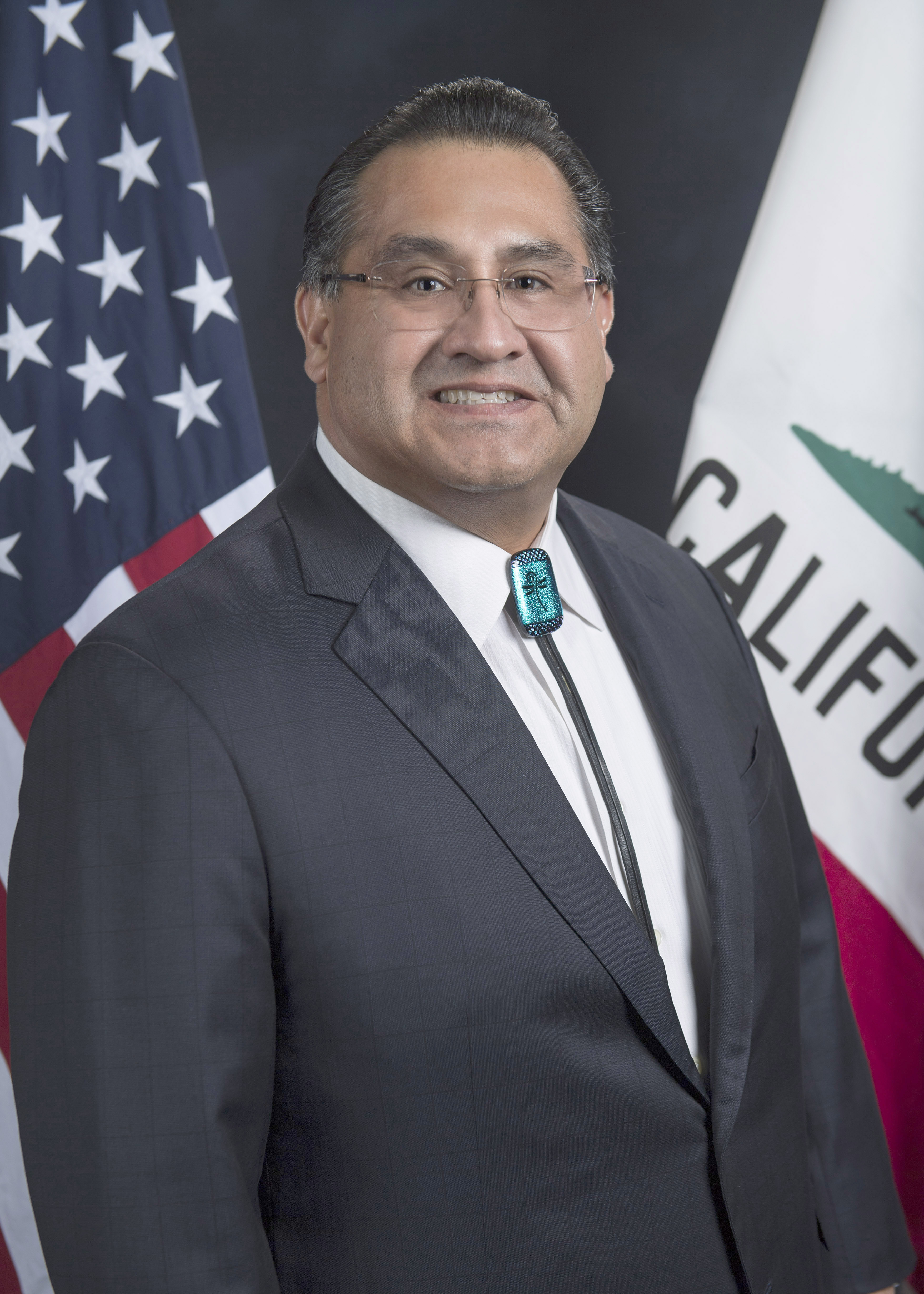
Rep. James Ramos
Sponsored bills
This measure would encourage the chief administrator of each public building or facility owned by the state, a county, or a municipality to display the 9/11 Remembrance Flag on September 11 of each year and to prescribe procedures necessary for its display. The measure would declare that any public official or chief administrator of a public building or facility may accept a donation of one or more 9/11 Remembrance Flags for the purpose of display at a public building or facility owned by the state, a county, or a municipality.
This measure would call on the state's Representatives in Congress to continue to support investments in the federal Local Food for Schools and Child Care program and would call on the President of the United States to work with Congress to support family farmers who produce fresh, locally sourced food for school meals.
Maddy summaryACR 61 designates April 9-15, 2025, as Filicide Awareness Week through a formal proclamation. This resolution does not create new laws or affect specific groups; it simply establishes a designated week for public awareness. The key mechanism is the official naming of the dates by the legislature to encourage community education about filicide (the killing of a child by a parent or caregiver). The bill has no policy changes or funding provisions, serving solely as a commemorative measure.
Maddy summaryCalifornia House Resolution 138 designates the week of October 4 through October 10, 2026, as National 4-H Week throughout the state. The resolution encourages citizens to recognize the impact of the 4-H program, which is described as the largest youth development organization in the United States. It highlights how the program, delivered by the University of California Cooperative Extension, helps young people develop leadership skills through hands-on projects in health, science, agriculture, and civic engagement.
Maddy summaryCalifornia House Resolution 134 designates the month of November as "California's First-Generation College Celebration Month." The resolution honors students whose parents did not complete a bachelor's degree and recognizes the specific academic and financial challenges they often face. It also highlights the importance of federal and state support programs, such as Pell Grants and the Educational Opportunity Program, in helping these students succeed in higher education.
Maddy summaryThis California House Resolution declares September 2026 as Neonatal Intensive Care Unit (NICU) Awareness Month to highlight the challenges faced by families with newborns requiring extended hospital care. The bill notes that approximately 17,500 to 22,500 infants in the state experience NICU stays longer than two weeks each year, which can strain parental bonding and financial stability. It encourages individuals, businesses, and organizations to support parents in securing adequate time for bonding and home care after discharge. The resolution also directs copies of the text to be sent to the Governor and the Director of Employment Development for distribution.
Maddy summaryCalifornia House Resolution 130 recognizes March 21, 2026, as the United Nations International Day for the Elimination of Racial Discrimination. The resolution cites historical context and current challenges in education, employment, criminal justice, and healthcare to highlight the impact of racial bias. It formally declares racism a public health crisis and commits the Assembly to actively participating in efforts to dismantle it.
Maddy summaryCalifornia Assembly Resolution 86 proclaims the week of September 1 through 7, 2026, as Canine "K-9" Appreciation Week to honor police dogs and their handlers. The resolution cites the historical growth of canine units in California and highlights their contributions to law enforcement, such as apprehending suspects, detecting narcotics, and locating missing persons. It also notes that these teams often reduce the need for lethal force and engage with the public through community demonstrations.
Existing law establishes a motor vehicle inspection and maintenance (smog check) program that is administered by the Department of Consumer Affairs. The smog check program requires inspection of motor vehicles upon initial registration, biennially upon renewal of registration, upon transfer of ownership, and in certain other circumstances. Existing law requires all motor vehicles to biennially obtain a certificate of compliance or noncompliance, as provided. Existing law exempts specified vehicles from obtaining the certificate of compliance or noncompliance, including, among others, all motor vehicles manufactured before the 1976 model year. Existing law also exempts from a specified portion of the smog test, both biennially and at transfer, a collector motor vehicle that is insured as a collector motor vehicle, is at least 35 model years old, complies with the exhaust emissions standards for that motor vehicle's class and model year as prescribed by the department, and passes a functional inspection of the fuel cap and a visual inspection for liquid fuel leaks. Existing law defines collector motor vehicle for this purpose to mean a motor vehicle owned by a collector, as defined, used primarily in shows, parades, charitable functions, and historical exhibitions for display, maintenance, preservation, and not used primarily for transportation. This bill would expand the definition of a collector motor vehicle to include a motor vehicle that is at least 35 model years old and complies with certain regulations that are required to be adopted by the Bureau of Automotive Repair, as specified. The bill would, beginning January 1, 2028, exempt specified collector motor vehicles manufactured before the 1981 model year from the requirement to obtain a certificate of compliance or noncompliance upon initial registration, biennially upon renewal of registration, or upon transfer of ownership. The bill would extend the applicability of this exemption by one model year each year until the final extension takes effect on and after January 1, 2033, that would exempt specified collector motor vehicles manufactured before the 1986 model year from the requirement to obtain the certificate of compliance or noncompliance. The bill would be known, and may be cited, as Jay Leno's Law.