

This measure would proclaim April 10, 2026, as Dolores Huerta Day in California and would encourage all public schools and educational institutions to conduct exercises remembering her, recognizing her accomplishments, and familiarizing pupils with her contributions to California.
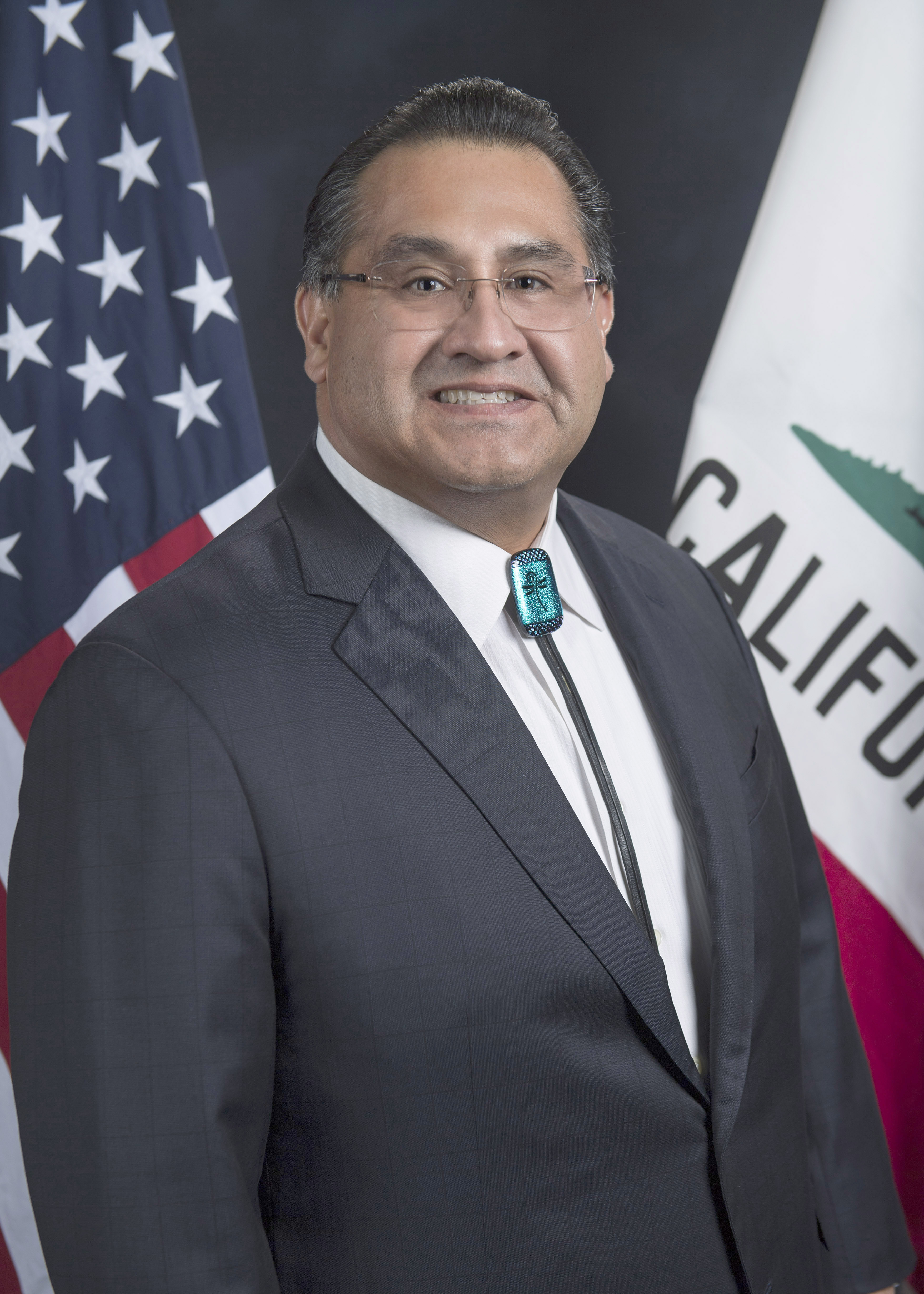
Rep. James Ramos
Sponsored bills
Maddy summaryCalifornia House Resolution 136 designates the second week of September each year as Home Hardening Week to promote fire safety measures for residents. The resolution cites rising wildfire risks and insurance costs as reasons for encouraging homeowners to use fire-resistant building materials and manage defensible space around their properties. It urges local organizations and county boards of supervisors to distribute information about these protective steps, which studies suggest can significantly increase the likelihood that a home survives a wildfire.
Maddy summaryCalifornia House Resolution 128 designates October 23, 2026, as Aromatic L-Amino Acid Decarboxylase (AADC) Deficiency Awareness Day. The resolution aims to increase public and medical community awareness of this ultrarare genetic condition, which prevents the body from producing dopamine and causes severe developmental delays. By highlighting the challenges faced by patients and their caregivers, the bill encourages Californians to learn more about the disease to support earlier diagnosis and continued research into treatments.
Maddy summaryThis California House Resolution proclaims September 2026 as Young Women's Reproductive Health Awareness Month to highlight the importance of early diagnosis and education for adolescent girls. The resolution urges high schools, colleges, public health agencies, and medical providers to promote educational campaigns on topics such as menstrual health, HPV vaccination, and sexual health practices. It specifically aims to address disparities in care by encouraging outreach to communities that face systemic barriers or lack culturally appropriate resources.
Maddy summaryCalifornia Assembly Resolution 131 proclaims October 11 through 17, 2026, as Student Cancer Education, Detection, and Prevention Week. The resolution encourages middle schools, high schools, colleges, public health agencies, pediatricians, and community health providers to promote educational campaigns on cancer prevention and detection. These efforts aim to inform students about risk factors, warning signs, and the importance of timely screenings to support better health outcomes for young people in the state.
Existing law establishes specified rights for victims and witnesses of crimes, including to be notified or informed regarding specified court proceedings and inmate placement or parole eligibility. This bill would require the district attorney's office or other prosecuting agency to ensure that the contact information of the victim and the victim's next of kin is provided to the Department of Corrections and Rehabilitation at the time of sentencing in cases that result in a sentence to state prison, to the extent that contact information is reasonably available. By increasing the burdens on local prosecuting agencies, this bill would impose a state-mandated local program. The California Constitution requires the state to reimburse local agencies and school districts for certain costs mandated by the state. Statutory provisions establish procedures for making that reimbursement. This bill would provide that, if the Commission on State Mandates determines that the bill contains costs mandated by the state, reimbursement for those costs shall be made pursuant to the statutory provisions noted above.
Maddy summaryThis House Resolution officially designates September as Black Music Month to honor the significant contributions of Black artists to American culture. The measure recognizes a wide range of musical genres, including jazz, blues, gospel, and hip-hop, by highlighting their historical origins and influential figures. While the text celebrates these artistic achievements, it does not impose any new legal requirements or funding mandates.
Existing law, the Lanterman Developmental Disabilities Services Act, requires the State Department of Developmental Services to contract with regional centers for the provision of services and supports for persons with developmental disabilities and their families. Existing law, until July 1, 2026, creates the Advisory Council on Improving Interactions between People with Intellectual and Development Disabilities and Law Enforcement, under the Department of Justice, to, among other things, evaluate existing training for peace officers specific to interactions between law enforcement and individuals with intellectual and developmental disabilities. Existing law requires the council to submit a report including recommendations to the Legislature for improving outcomes of interactions with both individuals who have an intellectual or developmental disability and mental health conditions, as specified. This bill would require the State Department of Developmental Services to conduct a statewide evaluation of safety training services provided by regional centers, as specified. The bill would require the department, by July 1, 2028, to submit a report to the Legislature summarizing its findings and recommendations and would require the recommendations to address specified topics, including, among others, recommendations for establishing standardized, statewide protocols for responding to crises involving individuals with intellectual or developmental disabilities. The bill would state the intent of the Legislature to consider, upon receipt and consideration of that report, providing funding to the department for the purpose of developing, implementing, and sustaining safety training services statewide.
(1) Existing law requires the Wildlife Conservation Board to establish and administer, through the Department of Fish and Wildlife, the California Riparian Habitat Conservation Program with the purpose and goal of protecting, preserving, and restoring riparian habitats throughout the state, as specified. Existing law authorizes the board to authorize the department to award grants and loans for the purposes of the program to specified entities. This bill would authorize the board to authorize the department to make those awards to federally recognized tribes. (2) Existing law establishes the Inland Wetlands Conservation Program under the board with the purpose and goal of carrying out the programs of the Central Valley Habitat Joint Venture. Existing law authorizes the board to make grants or loans for the purpose of wetland and associated upland habitat acquisition, restoration, or enhancement to specified entities. This bill would authorize the board to make those grants or loans to federally recognized tribes. (3) Existing law authorizes the department to enter into contracts or other agreements with nonprofit conservation groups or resource conservation districts for the management and operation of department-managed lands. This bill would authorize the department to also enter into those contracts or other agreements with federally recognized tribes.
Maddy summaryThis bill serves as a commemorative resolution to mark the 50th anniversary of the Surface Mining and Reclamation Act of 1975. It does not create new laws or alter existing regulations but instead formally acknowledges the milestone achievement of the original legislation. The measure is intended to honor the history of mining and land reclamation efforts established by the 1975 act.