This measure would recognize May 2025 as Head Start Month and call on the Congress and the President of the United States to protect and increase funding for Head Start.
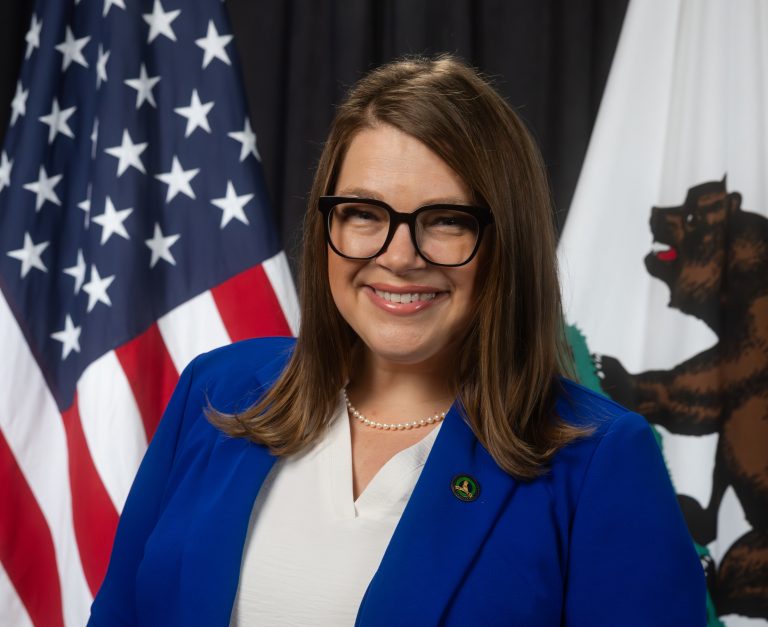
Asm. Heather Hadwick
Sponsored bills
The California Environmental Quality Act (CEQA) requires a lead agency, as defined, to prepare, or cause to be prepared, and certify the completion of an environmental impact report on a project that it proposes to carry out or approve that may have a significant effect on the environment or to adopt a negative declaration if it finds that the project will not have that effect. CEQA also requires a lead agency to prepare a mitigated negative declaration for a project that may have a significant effect on the environment if revisions in the project would avoid or mitigate that effect and there is no substantial evidence that the project, as revised, would have a significant effect on the environment. If a lead agency determines that a project will have a significant transportation impact, existing law authorizes the lead agency to mitigate the transportation impact to a less than significant level by helping to fund or otherwise facilitating housing or related infrastructure projects, including by contributing an amount, to be determined pursuant to guidance issued by the Office of Land Use and Climate Innovation, to the Transit-Oriented Development Implementation Fund for purposes of the Transit-Oriented Development Implementation Program. Existing law authorizes the deposit of those contributions into the fund beginning on or before July 1, 2026, as determined by the Department of Housing and Community Development, and makes those moneys available to the department, upon appropriation by the Legislature, for the purpose of awarding funding for affordable housing or related infrastructure projects under the program in accordance with specified priorities. On or before July 1, 2026, and at least once every 3 years thereafter, existing law requires the office, in consultation with other state agencies, to issue guidance related to the implementation of these provisions, as provided. Existing law makes related findings and declarations. This bill would require a contribution to the fund to be deemed full and complete mitigation for that portion of the project's significant transportation impact mitigated by the contribution to the fund and a legally sufficient mitigation measure under CEQA. The bill would authorize the deposit of those contributions into the fund beginning on the date of the issuance of the initial guidance by the office. The bill would make additional related findings and declarations.
This measure would call on the state's Representatives in Congress to support legislation to repeal all of the provisions of the federal One Big Beautiful Bill Act that adversely affect Social Security, Medicare, and Medicaid programs, to oppose privatization of these programs, and to protect and improve these programs, and would call on the President of the United States to immediately restore program staffing levels, to work with Congress to protect and improve these programs, and to disavow any efforts to privatize Social Security.
Maddy summaryACR 83 designates May 22, 2025, as California Maritime Day. This symbolic resolution does not create new laws or impose obligations but serves to recognize and honor California's maritime industry and its historical significance. It has no direct impact on individuals, businesses, or policy implementation. The measure is purely commemorative and aligns with the state's tradition of acknowledging key sectors through designated days.
Maddy summaryACR 103 designates the week of July 14-18, 2025, as "California Western Monarch Protection Week." The bill is purely ceremonial, recognizing efforts to protect monarch butterflies in California. It does not create new laws, funding, or obligations. The measure serves to raise public awareness about monarch conservation during that specific week.
Maddy summaryHR 67 designates November 9 as "All California Day" to celebrate California's shared history and cultural ties with Baja California and Baja California Sur. The resolution encourages community events and cultural celebrations across the state to honor this interconnected heritage, including contributions from Indigenous peoples and Mexican heritage communities. As a ceremonial resolution (not a binding law), it has no direct regulatory or financial impact on any specific group or policy. The measure was adopted by the California Assembly on September 4, 2025.
Maddy summaryThis House Resolution (HR 58) declares October 2025 as "California Promotoras Month" to formally recognize the work of promotoras - community health workers who serve as cultural brokers and connect underserved communities (particularly Latino populations) to essential services like health, housing, and disaster response. It acknowledges their role in improving community resilience and access to resources, while highlighting the need for better support, training, and equitable compensation for this workforce. The resolution is symbolic and does not create new laws, funding, or programs; it solely aims to raise awareness and honor promotoras' contributions through a designated month of recognition.
Maddy summaryThis is a symbolic resolution, not a substantive bill. It designates September 7-13, 2025, as "Direct Support Professional Recognition Week" in California. The resolution acknowledges direct support professionals who assist Californians with intellectual and developmental disabilities (IDD) through the state's Lanterman Act system, which serves over 450,000 residents. It formally recognizes their role in enabling community inclusion and independence but does not create new policies, funding, or legal obligations.
Maddy summaryThis symbolic resolution recognizes September 20, 2025, as National Fried Rice Day in California, highlighting the dish's cultural significance to Asian American communities and its connection to California's rice-growing economy (noting the state's status as the second-largest rice producer). It has no legal effect or policy changes - it serves solely to celebrate culinary traditions and community diversity. The resolution was adopted by the California Assembly with no opposing votes.
Existing law creates the Office of Farm to Fork within the Department of Food and Agriculture, and requires the office, to the extent that resources are available, to work with various entities, as prescribed, to increase the amount of agricultural products available to underserved communities and schools in the state. Existing law requires the office, among other things, to identify distribution barriers that affect limited food access and work to overcome those barriers through various actions and to coordinate with school districts and representatives to increase the nutritional profile of foods provided in schools. This bill would create the Food Desert Elimination Grant Program under the administration of the department for the purpose of expanding access to healthy foods in food deserts, as defined, in the state, and areas at risk of becoming food deserts, by providing grants to grocery store operators, as specified. The bill would create the Food Desert Elimination Fund in the General Fund and would authorize the fund to be expended by the department, upon appropriation by the Legislature, for purposes of the program. The bill would authorize the department to collect nonstate, federal, and private funds, require those funds to be deposited into the California Equitable Food Access Account within the Food Desert Elimination Fund, and continuously appropriate moneys in the account to the department for purposes of the program. The bill would authorize the department to award grants for specified purposes to grocery store operators seeking to locate grocery stores in food deserts or to existing grocery stores located in food deserts. The bill would authorize the department to adopt guidelines to implement these provisions. The bill would make the implementation of all of its provisions contingent upon an appropriation by the Legislature. The bill would repeal its provisions on December 31, 2030.