

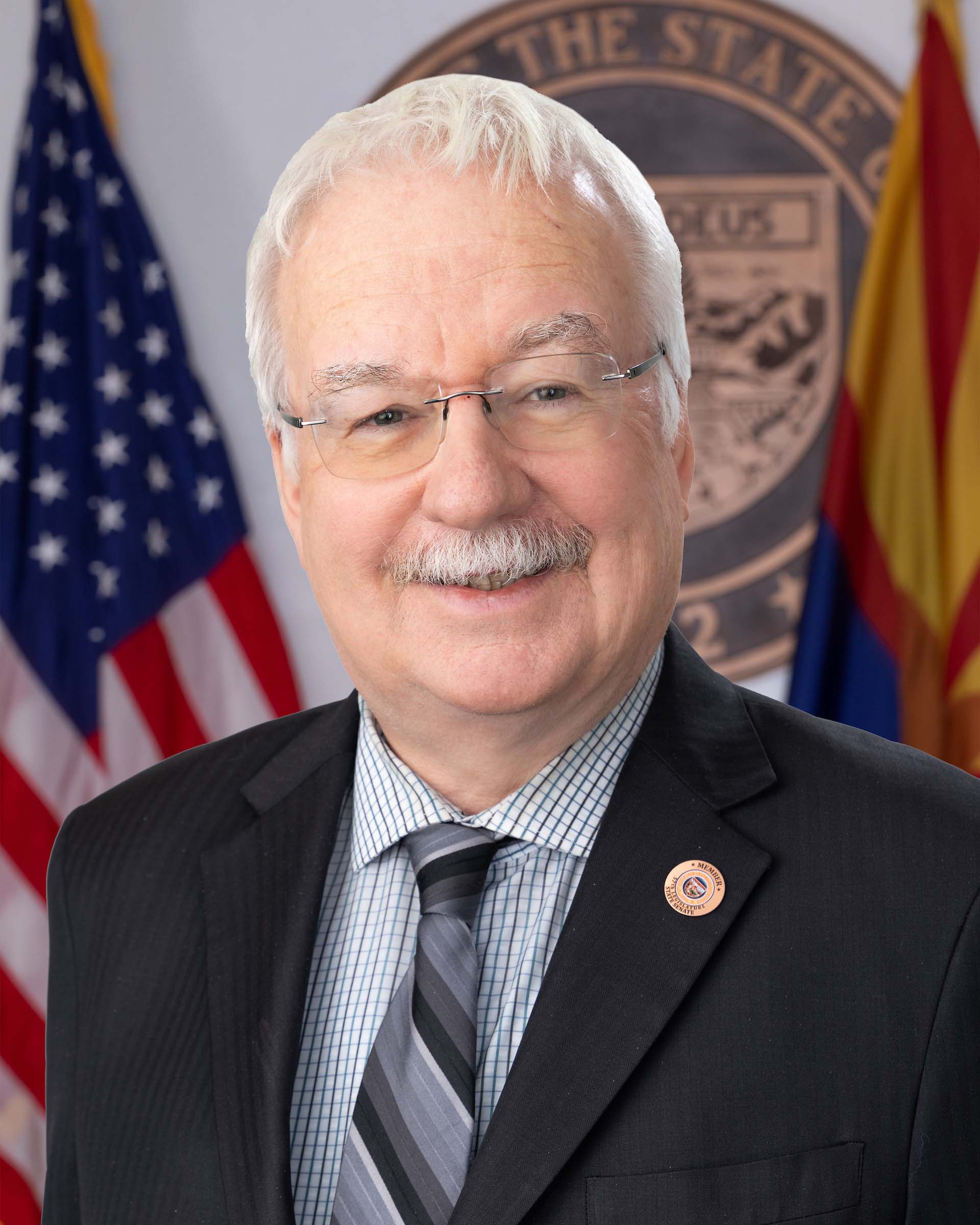
Photo of John Kavanagh
R Arizona Senate · District 3 On the 2026 ballot

Sen. John Kavanagh

Compare
Total votes
5,805
all sessions
Attendance
99%
79 missed
Higher than 83% of chamber peers
With party
97%
of cast votes
Higher than 86% of chamber peers
Bipartisan score
3%
crosses aisle rarely
Lower than 90% of chamber peers
Sponsored
880
bills & resolutions
Near the chamber average
Committees
7
assignments
880 bills and resolutions

Sponsored bills

Total
880
Primary
567
Co-sponsor
313
This page
880
matching current filters
Primary SB 1747
Signed into law · Arizona Senate · Lead sponsor
2025-2026; revenue

Maddy summarySB 1747 prevents Arizona's Department of Revenue from charging fees to local governments for the state's integrated tax system modernization project during fiscal year 2025-2026. It directly affects counties, cities, towns, councils of government, and regional transportation authorities by blocking the department from assessing or collecting these fees. The key provision prohibits fee collection for the tax system project, ensuring these entities won’t bear those costs. This bill was enacted after passing the legislature and being signed by the Governor on June 27, 2025.

Signed into law Jun 27, 2025 0 co-sponsors
Primary SB 1749
Signed into law · Arizona Senate · Lead sponsor
2025-2026; taxation; omnibus

Maddy summarySB 1749 amends Arizona's retail tax code to expand tax exemptions for specific goods and services. It directly affects businesses selling items like insulin, prosthetic appliances, durable medical equipment, prescription eyewear, food under SNAP programs, school meals, textbooks, and certain nonprofit sales. Key provisions clarify that sales of medical items (including insulin syringes and glucose test strips), food for school meals, and durable medical equipment meeting Medicare criteria are exempt from tax. The bill also defines "cash equivalents" (like gift cards) and clarifies exemptions for sales to nonresidents of motor vehicles. This omnibus tax bill passed the Arizona Legislature and was signed into law in June 2025.

Signed into law Jun 27, 2025 0 co-sponsors
Primary SB 1738
Signed into law · Arizona Senate · Lead sponsor
2025-2026; commerce

Maddy summarySB 1738 creates a state-administered microbusiness loan program to provide funding for small businesses with five or fewer employees in Arizona. The program allocates up to $2 million in state funds (with a $50,000 maximum loan per business) to eligible lenders like community development financial institutions or experienced nonprofits, which must use the funds for business operations, equipment, or working capital. Lenders must certify loans comply with program rules, charge capped fees, and refer borrowers to financial education resources. The Office of Economic Opportunity reports annually on program participation, loan types, and outcomes to the legislature, with the program set to expire and transfer remaining funds to the general fund by July 2027.

Signed into law Jun 27, 2025 0 co-sponsors
Primary SB 1299
Passed · Arizona Senate · Lead sponsor
law enforcement personnel; grant program

Maddy summarySB 1299 creates a grant program to reimburse Arizona law enforcement agencies (city police departments and county sheriff's offices) for costs related to officers participating in federal immigration training programs under U.S. law. The program covers up to one month of salary for either the officer attending training (if not reimbursed by the federal government) or a replacement officer covering their duties during training. It allocates $2 million from the state general fund for fiscal year 2025-2026, administered by the Arizona Department of Public Safety. This bill directly affects local law enforcement agencies that participate in federal immigration enforcement training programs.

Passed Jun 25, 2025 0 co-sponsors
Primary SB 1037
Passed · Arizona Senate · Lead sponsor
health boards; fund balances; fees

Maddy summarySB 1037 requires all Arizona health and non-health licensing boards (like those for nurses, plumbers, or cosmetologists) to publicly review their fund balances annually before setting fees. If a board’s fund balance exceeds two years of operating expenses plus 5%, it must reduce or eliminate fees for licensees until the balance falls below that limit. The bill applies directly to professionals paying licensing or application fees, as boards must disclose fund balances in public meetings and adjust fees to prevent excessive reserves. It establishes a clear, objective threshold for fee adjustments without specifying outcomes. This is a policy change focused on fiscal accountability for regulatory boards.

Passed Jun 18, 2025 0 co-sponsors
Co-sponsor HB 2679
Signed into law · Arizona House · Co-sponsor
power; public utilities; UCC; securities

Maddy summaryHB 2679 establishes a new framework for Arizona public power entities (like municipal utilities) to finance infrastructure upgrades by issuing "Transition Bonds." These bonds are secured by future customer payments called "Financing Charges," which become nonbypassable fees added to all customers' utility bills until the costs are fully recovered. The bill creates specific definitions for terms like "Financing Charges," "Qualified Special Purpose Entity," and "Transition Bonds," ensuring these payments cannot be avoided regardless of the customer's service provider or asset ownership. This mechanism allows public power entities to shift financing costs to customers over time rather than relying solely on traditional rate increases.

Signed into law May 13, 2025 1 co-sponsor
Primary SB 1036
Vetoed · Arizona Senate · Lead sponsor
public resources; influencing elections; penalties

Maddy summarySB 1036 prohibits Arizona cities and counties from using public funds, facilities, or employees to influence election outcomes, including campaign materials or biased communications about candidates or ballot measures. It allows neutral informational pamphlets about bond elections and routine government communications but bans employees from pressuring subordinates about political activities. Violations carry civil penalties up to $5,000 per incident plus repayment of misused public funds, with penalties paid to the state, county, or affected residents depending on who files the lawsuit. The law specifically exempts government-sponsored forums that remain impartial and provide equal opportunity for all viewpoints.

Vetoed May 13, 2025 0 co-sponsors
Primary SB 1033
Signed into law · Arizona Senate · Lead sponsor
animal seizure; bond amount

Maddy summarySB 1033 amends Arizona law to require animal owners whose pets are seized for suspected cruelty or neglect to post a $500 bond within 10 days to avoid losing ownership. This directly affects owners of animals seized under Arizona Revised Statutes §13-2910, who must pay this bond to cover care costs while awaiting a court hearing. The bill mandates that seizing agencies provide clear notice of the seizure, bond requirement, and hearing options, with failure to pay the bond resulting in the animal being deemed abandoned and transferred to the seizing agency. The law applies broadly but excludes equine seizures under §3-1721 and local ordinances with stricter bonding rules.

Signed into law May 13, 2025 0 co-sponsors
Co-sponsor SB 1600
Vetoed · Arizona Senate · Co-sponsor
patient rights; health care services

Maddy summarySB 1600, titled "Patient Rights; Health Care Services," defines core patient rights for anyone receiving healthcare in Arizona. It establishes that patients have the right to care prioritizing their best interest, avoiding harm, and requiring informed consent for medical decisions (except emergencies). The bill directly affects all patients receiving care from licensed health professionals in Arizona. However, the bill was passed by the legislature on May 7, 2025, but was vetoed by the governor on May 13, 2025, so it did not become law.

Vetoed May 13, 2025 1 co-sponsor
Co-sponsor HB 2437
Vetoed · Arizona House · Co-sponsor
drug-free homeless zones

Maddy summaryHB 2437, now vetoed by the Governor, creates "drug-free homeless service zones" at facilities providing shelter or housing to homeless individuals. It prohibits the sale, transfer, or possession/use of drugs in these zones and requires facility operators (receiving public funds) to adopt written anti-drug policies and display visible signage. Violations by facility employees carry misdemeanor charges, while drug sales in these zones increase felony penalties by one year and mandate a $2,000+ fine with no sentence suspension. The bill directly affects homeless service providers and their staff, not homeless individuals themselves, and is no longer law after the Governor's veto on May 13, 2025.

Vetoed May 13, 2025 1 co-sponsor
Showing 121 to 130 of 880 bills
Previous 1 12 13 14 88 Next