

Maddy summarySB 1295 (Arizona, 2025) makes it a class 5 felony to intentionally use AI-generated voice recordings, images, or videos of another person with the intent to defraud or harass. The law directly affects individuals who create deceptive AI content to scam others or cause harm, such as impersonating someone to gain financial benefit or access property. It specifically excludes comedy, parody, artistic expression, or clearly manipulated content from being considered fraudulent. The bill amends Arizona's criminal impersonation statute to address emerging deepfake threats, with penalties now matching serious felony offenses. This law is currently in effect after being signed by the governor on May 13, 2025.
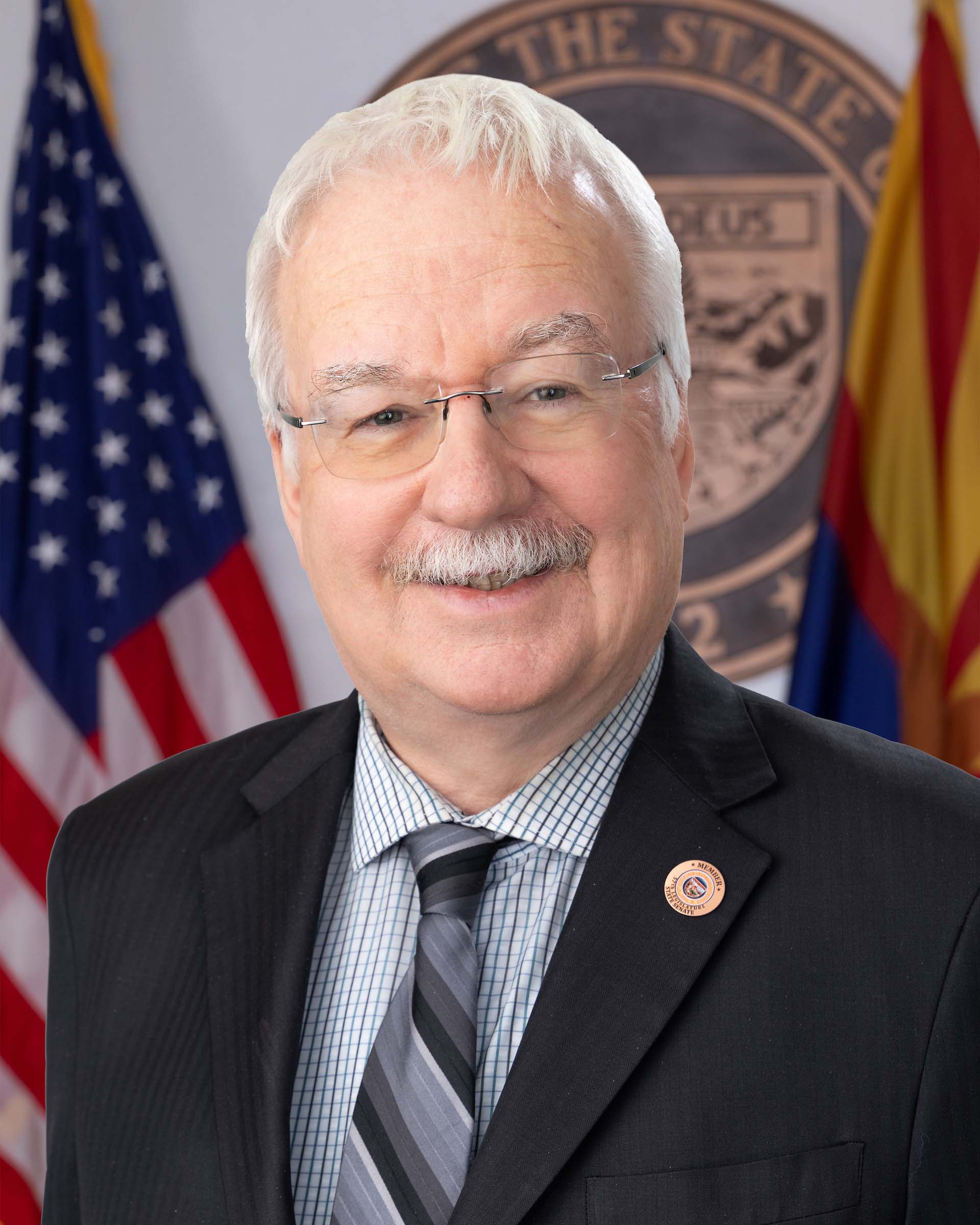
Sen. John Kavanagh
Sponsored bills
Maddy summarySB 1536 modifies Arizona city and town primary election rules. It requires that for district-based council elections, only residents of that district can vote for candidates in that district's primary. The bill also allows cities to adopt a "majority-vote" system in primaries, where a candidate receiving a majority of all votes cast wins outright without a runoff. Small towns (under 5,000 population) may instead use a top-vote-getter system for council seats if approved by voters. The bill does not change state-level election rules but directly affects local election procedures in Arizona municipalities.
Maddy summarySB 1003, the "Arizona Accommodations for All Children Act," requires Arizona public schools to provide written-requested reasonable accommodations for students who cannot use gender-designated restrooms, changing facilities, or sleeping quarters. Accommodations may include single-occupancy facilities or staff restrooms, but cannot override opposite-sex facilities when others are present. Students denied accommodations or forced into shared spaces with opposite-sex individuals (outside family) can sue schools for damages and legal fees within two years. The bill was passed by the legislature in May 2025 but was vetoed by the Governor on May 12, 2025.
Maddy summaryArizona's SB 1002 requires K-12 schools to obtain written parental permission before using pronouns or names that differ from a student's biological sex (as listed in official records) for minors under 18. It also prohibits schools from forcing staff to use pronouns conflicting with their religious or moral beliefs. School districts must adopt policies implementing these rules, though staff may discuss related topics outside official duties. The bill passed the legislature in May 2025 but was vetoed by the governor on May 12, 2025, preventing it from becoming law.
Maddy summarySB 1586 creates strict liability for healthcare providers who perform gender transition procedures on minors in Arizona. It requires providers to cover all costs of subsequent detransition procedures (reversing gender transition care) for 25 years after treatment begins, and allows minors to sue for medical expenses, damages, and attorney fees up to age 26. The bill prohibits providers from using contracts to waive this liability, stating such waivers violate public policy. The legislation was passed by the Arizona legislature in May 2025 but was vetoed by the governor on May 12, 2025, preventing it from becoming law.
Maddy summarySB 1591 modifies Arizona's concealed weapons permit process by exempting state residents from application fees while requiring non-residents to pay a reasonable fee. It outlines specific eligibility requirements, including age, residency, criminal history checks, and proof of firearm competency, and specifies that permits are valid for five years (with extensions for military members deployed overseas). The bill also details procedures for permit suspension upon arrest for qualifying offenses and civil penalties for failing to present a permit during a law enforcement stop. The legislation was passed by the Arizona legislature on May 6, 2025, but was vetoed by the Governor on May 12, 2025, preventing it from becoming law.
Maddy summaryThe bill title "cruelty to working animals; classification" does not match the provided bill text, which instead amends Arizona's county board powers (Section 11-251). The text describes administrative duties of county boards (e.g., managing property, elections, and county facilities), with no reference to animal welfare. Since the provided text contains no provisions related to animal cruelty or working animals, a summary based on the bill's stated purpose cannot be generated. The context is inconsistent with the bill title.
Maddy summaryArizona's SB 1241 requires dog owners to provide their contact information to a person bitten by their dog in public or on private property (including the owner's property). It prohibits courts from considering a dog's breed when determining liability for bites or labeling a dog "aggressive" or "vicious." The law also exempts police or military dogs used in specific situations - like arresting suspects or executing warrants - if the bite occurred while the dog was defending itself or assisting an officer, provided the agency has a written policy on dog use. This bill, signed into law by the governor on May 7, 2025, directly affects dog owners, bite victims, and law enforcement agencies using dogs for public safety.
Maddy summarySB 1534 requires Arizona ballot measures to include a descriptive title summarizing the measure's main provisions in 50 words or less, along with clear statements of the effects of voting "yes" or "no." It also mandates that state statutory measures display a notice about Proposition 105, explaining that future changes require a three-fourths vote of each legislative house. These requirements apply to all Arizona ballot measures, standardizing how voters receive information about proposed changes to laws or the constitution. The bill directly affects voters by clarifying ballot content and election officials who prepare ballots.
Maddy summaryThis bill requires Arizona county detention facilities to share specific personal information (name, address, date of birth, Social Security number, and physical descriptions) with U.S. Immigration and Customs Enforcement (ICE) upon request for arrestees booked for certain offenses. These include burglary, theft, larceny, shoplifting, assault on law enforcement officers, and violent crimes causing death or serious injury. Facilities must comply with ICE requests for interviews and photos but are exempt if ICE agents are stationed onsite or if the facility has an ICE-approved staff member handling screenings. The law directly affects local jails processing individuals arrested for these designated crimes.