

Maddy summarySB 1736 establishes a dedicated "racing regulation fund" to manage revenues from gambling and combat sports activities in Arizona. It creates an "unarmed combat subaccount" within this fund to collect 4% of gross receipts from boxing and mixed martial arts events (after tax deductions), along with license fees for promoters. The bill also requires financial audits for event promoters and adds a 0.5% regulatory assessment on pari-mutuel wagering for commercial racing permits in 2025-2026. These provisions expire for horse racing rules (Section 5) by December 31, 2026, and liquor sponsorship rules (Section 6) by December 31, 2027. The law directly affects boxing/martial arts promoters, racetracks, and liquor businesses operating under these regulations.
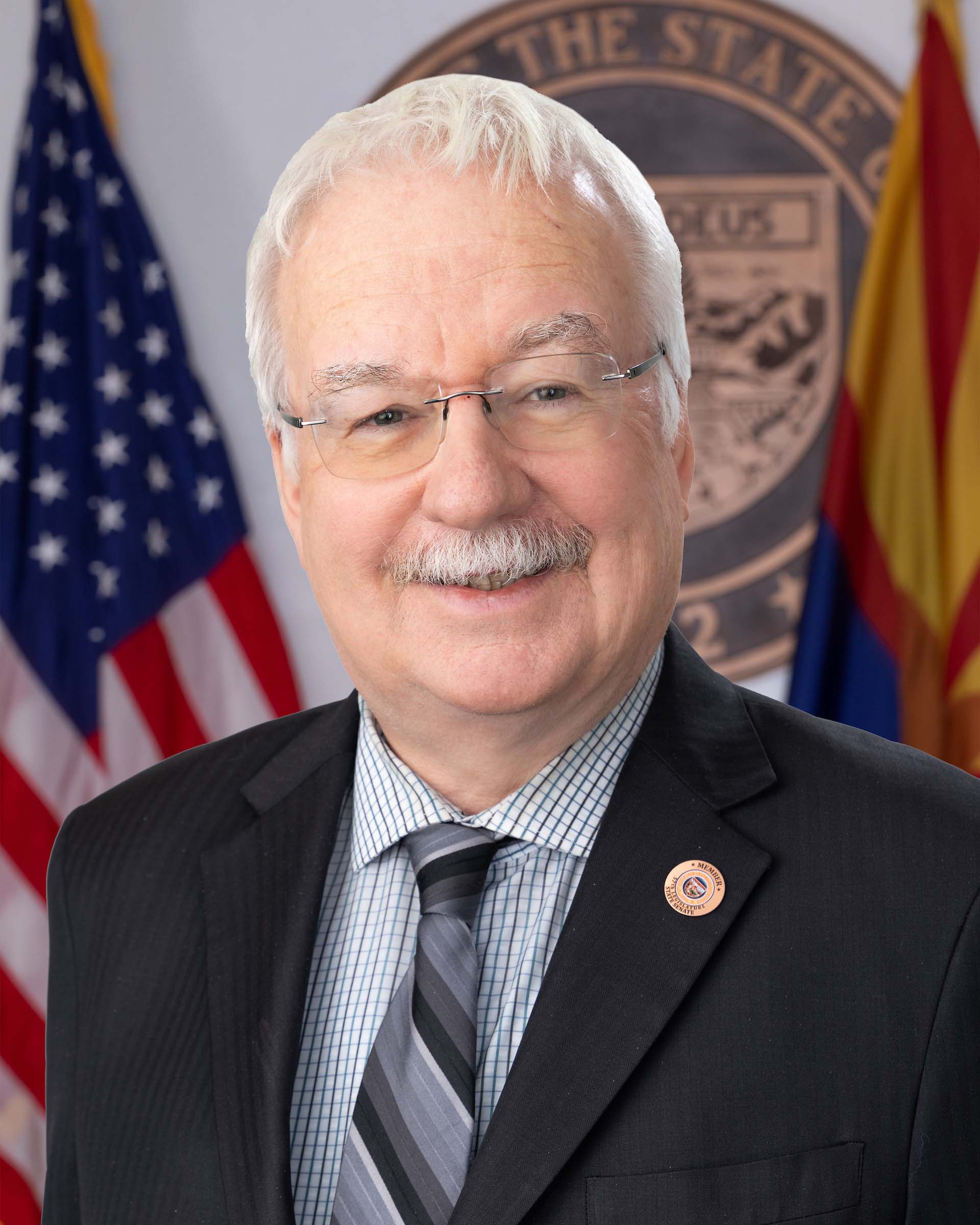
Sen. John Kavanagh
Sponsored bills
Maddy summarySB 1735 is Arizona's 2025-2026 budget for the Department of Child Safety (DCS), increasing total funding from $1.26 billion to $1.32 billion. It allocates specific increases for caseworkers ($131.9M), congregate care ($122.5M), kinship foster care stipends ($300/month for relatives), and health services ($174.5M), while requiring DCS to report on implementation of family-first prevention services by December 2024. The bill mandates that new DCS staff receive training before handling cases and restricts fund transfers without joint legislative committee review, except for certain health plan expenses. It also specifies that kinship stipends must be paid automatically to qualifying relatives without application.
Maddy summarySB 1744 establishes funding rules for Arizona charter schools sponsored by state entities like the state board of education or community colleges. It sets per-student funding rates ($2,131.90 for K-8 and $2,484.69 for grades 9-12) based on actual enrollment, requiring schools to adjust counts after 40, 100, or 200 days of school. The bill prevents double-funding when students attend both charter and traditional public schools by capping combined daily membership at 1.0 and apportioning counts based on time enrolled. It also clarifies that charter schools cannot charge tuition to in-state residents but may charge non-residents, and must reduce state funding if they receive federal/state grants for basic operations. This law directly affects Arizona charter schools, their sponsors, and the state education department managing funds.
Maddy summarySB 1740 creates Arizona's Agriculture and Water Innovation Fund Pilot Program to fund grants for agricultural water efficiency projects. The program provides grants to farmers, irrigation districts, or landowners who have farmed or conserved water for three of the last five years, requiring them to install qualifying technology (like soil health improvements that reduce water use without changing irrigation systems) and report on water savings per field. Funds come from legislative appropriations and federal grants, with up to 10% annually covering program administration. The department must submit annual reports to lawmakers detailing fund use and outcomes, and the program expires December 31, 2028.
Maddy summarySB 1739 creates a statewide program for counties to establish coordinated reentry planning services for people leaving jail. It requires counties to use a cross-system database tracking mental health, substance use, housing, and employment needs to connect individuals with treatment and services before and after release. Counties must form planning committees including law enforcement, courts, and community stakeholders, and report annually on screening results, recidivism rates, and service connections. The bill also establishes an anti-racketeering fund to collect forfeiture money for gang prevention, victim assistance, and law enforcement costs, with restrictions on using funds for attorney general office salaries after 2027. This directly affects county jails, service providers, and individuals in the criminal justice system.
Maddy summarySB 1745 allows counties in Arizona with fewer than 250,000 residents (based on the 2020 census) to use designated revenue sources for any county fiscal obligation during fiscal year 2025-2026, provided they do not exceed $1.25 million for non-purpose uses. These counties must report by October 1, 2025, if they use revenue sources for purposes beyond their original intent. The bill also directs existing funds from the 2023 veterans' services appropriation to enable Gila County to establish and operate facilities for veterans' services. It directly affects small Arizona counties and modifies how they manage local revenue, while ensuring transparency through mandatory reporting.
Maddy summaryThis resolution would allow Arizona school districts to spend more than the state's constitutional spending limit for the 2026-2027 school year. It requires approval by at least two-thirds of both legislative chambers to take effect. If passed, it temporarily lifts a spending cap that normally restricts school district budgets.
Maddy summarySB 1748 establishes the Arizona Office of African-American Affairs (replacing the previous commission) to advise state leaders and support Black Arizonans. It requires the office to have nine appointed members (seven African-American and two non-African-American) who serve without pay and must meet quarterly. The office is tasked with advising the governor on policies affecting Black communities, supporting local initiatives, and developing recommendations in areas like health, education, and economic development. A dedicated fund, financed by public and private donations, was created to cover operational costs, with annual reports required for the governor and legislature. The bill also includes a separate provision prohibiting state employees from being paid with private funds, except for specific agencies like public safety and universities.
Maddy summaryArizona's SCR 1041 is a resolution that temporarily allows public school districts to spend more than the constitutional spending cap during the 2025-2026 fiscal year. It directly affects all Arizona public school districts by lifting their annual expenditure limit for that specific year. The resolution requires approval by a two-thirds vote in both legislative chambers to take effect, as stated in its provisions. This change is limited to the 2025-2026 school year and does not alter the permanent constitutional spending cap.
Maddy summarySB 1746 requires Arizona state departments and agencies using government-owned or leased buildings to pay annual rental fees based on their budgeted amounts or actual occupancy. These payments are transferred to the Capital Outlay Stabilization Fund (for state-owned buildings) or the Lease-Purchase Building Operating Fund (for leased buildings), with adjustments made monthly for occupancy changes. The bill exempts state universities, community colleges, and the Department of Transportation from these requirements when they are not under the Department of Administration’s jurisdiction. Agencies may request exemptions for financial hardship or cash flow reasons, but the Department of Administration must report all exemptions to the legislative budget committee annually. The law applies to all state agencies for fiscal year 2025-2026.