

Maddy summaryHB 2679 establishes a new framework for Arizona public power entities (like municipal utilities) to finance infrastructure upgrades by issuing "Transition Bonds." These bonds are secured by future customer payments called "Financing Charges," which become nonbypassable fees added to all customers' utility bills until the costs are fully recovered. The bill creates specific definitions for terms like "Financing Charges," "Qualified Special Purpose Entity," and "Transition Bonds," ensuring these payments cannot be avoided regardless of the customer's service provider or asset ownership. This mechanism allows public power entities to shift financing costs to customers over time rather than relying solely on traditional rate increases.
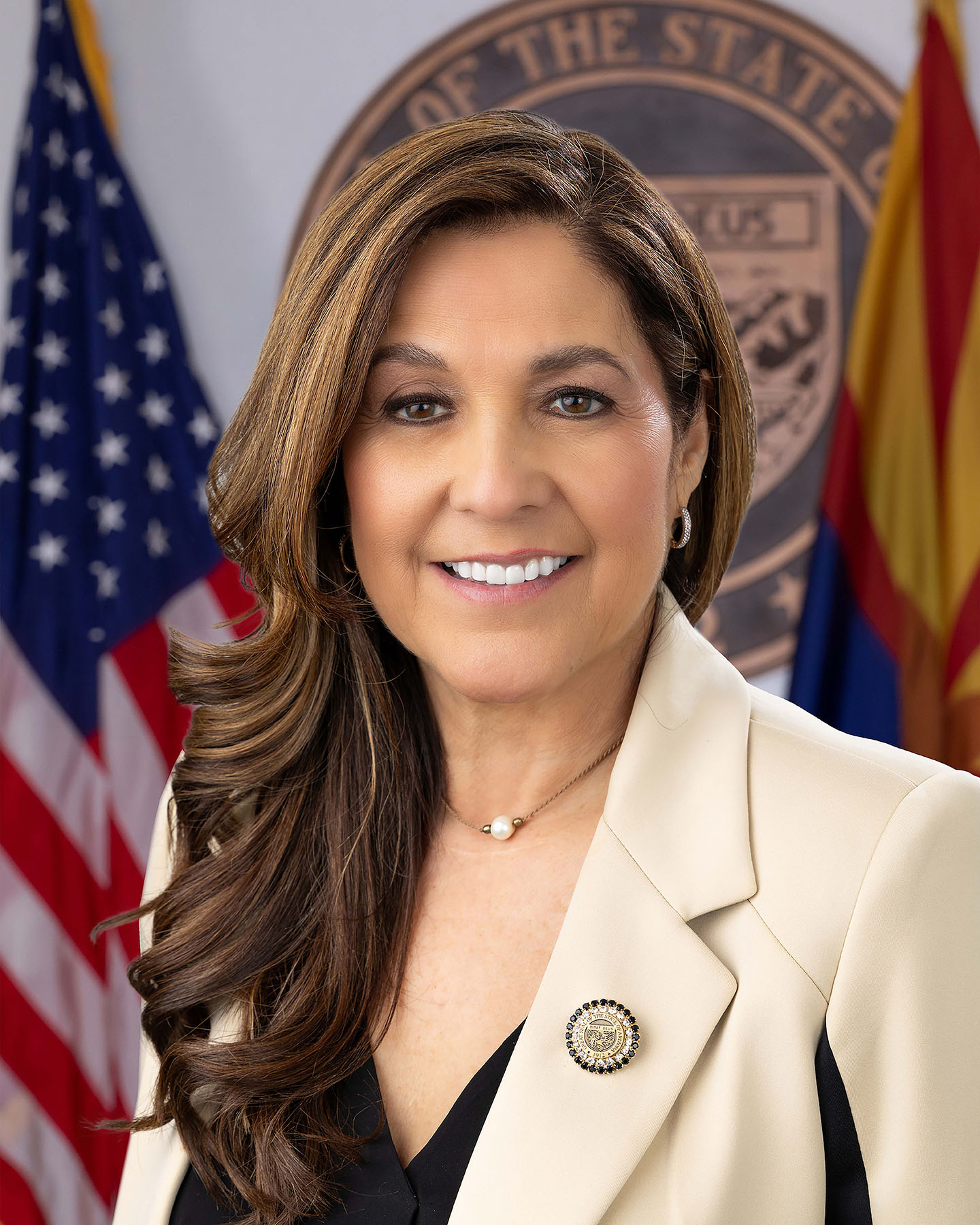
Sen. Catherine Miranda
Sponsored bills
Maddy summaryHB 2380 establishes the Arizona Rare Disease Advisory Council within the state department to address the needs of Arizonans with rare diseases. The council, composed of 16 diverse members including patients, caregivers, healthcare providers, researchers, insurers, and industry representatives, will conduct public hearings, research barriers like high treatment costs and insurance coverage gaps, and develop policy recommendations. It must submit annual reports to the governor and legislature by December 1st, detailing its work and suggesting improvements to healthcare access, diagnostics, and coverage for rare disease patients. This council directly serves Arizona residents living with rare diseases, their caregivers, and healthcare providers seeking better treatment options and system support.
Maddy summaryArizona's SB 1438 establishes a central registry for child abuse and neglect reports, requiring background checks for individuals working with children or vulnerable adults. It directly affects foster homes, adoptive parents, child care providers, behavioral health facilities, and residential care staff by mandating registry checks as a factor in licensing, employment, or certification decisions. Key provisions include limiting registry entries to 25 years, requiring monthly purges of outdated records, and creating an exception process for disqualified applicants. Employees must certify under penalty of perjury whether abuse allegations exist, and agencies must publish disqualifying acts while protecting privacy in shared data.
Maddy summarySB 1107 continues Arizona's Motorcycle Safety Fund through June 30, 2025. It requires the Department of Transportation to deposit $1 from each motorcycle registration fee into the fund, which is administered by the governor's office of highway safety. Funds must be used exclusively for voluntary motorcycle safety programs, including education, training, awareness, and related materials. The bill prohibits using these funds for general state operations or the general fund. This continuation ensures ongoing support for motorcycle safety initiatives without altering existing fee structures or program requirements.
Maddy summarySB 1103 adds a $2 penalty assessment on all criminal fines, civil traffic penalties, and violations of motor vehicle, local vehicle operation, or game/fish statutes collected by courts in Arizona. The funds collected flow through county/municipal treasurers to the state treasurer, who deposits them into the Victims' Rights Enforcement Fund (per A.R.S. § 41-1727). This directly affects courts and local governments collecting these fines, directing the new revenue toward victims' rights programs. The bill does not change existing penalties but creates a dedicated funding stream for victims' services. It passed the Arizona legislature and was signed into law on May 2, 2025.
Maddy summaryHB 2733 grants legal immunity to Arizona government agencies and employees (like law enforcement) who intercept, disable, or destroy unmanned aircraft (drones) within 30 miles of the state's international border. It protects them from liability for injuries caused during these actions unless they intentionally harmed someone or were grossly negligent. The law specifically applies to drone operators (defined as anyone controlling a drone, including owners or groups acting together) and covers contractors working for government entities. This bill directly affects border enforcement practices and drone operators operating near Arizona's international border.
Maddy summarySB 1106, titled "Ava's Law," modifies Arizona's public entity liability rules regarding sexual offenses. It clarifies that public entities (like schools or government agencies) generally cannot be held liable for sexual offenses committed by employees against minors or children with disabilities, **unless** the entity violated a duty to check employee backgrounds or failed to report known risks. The law applies only to offenses occurring on or after December 31, 2027, and does not affect liability for vehicle-related incidents or emergency care. This bill focuses on defining specific circumstances where public entities may face liability, not broader policy changes.
Maddy summarySB 1312 creates a state-funded program to help people transitioning from county jails back into communities. It provides $20 million in grants to Arizona counties (excluding Maricopa and Pima) to establish coordinated reentry planning services in jails, connecting individuals with treatment, housing, and other support services early in the justice process. Key requirements include creating a cross-system database to track recidivism and service engagement, forming collaborative planning committees with law enforcement, courts, and service providers, and submitting annual reports on participant risks (like homelessness or lack of healthcare) and repeat offenses. Counties must demonstrate program implementation within two years of receiving funds, including dedicated staff and data-sharing agreements.
Maddy summarySB 1105 regulates where nonprofit medical marijuana dispensaries can operate in Arizona. It requires dispensaries to avoid locations within 500 feet of schools, child care facilities, or preschools and limits their density based on pharmacy numbers (max one dispensary per ten pharmacies, with exceptions for county coverage). Local governments can set zoning rules but cannot impose stricter restrictions than this law or prohibit dispensaries without justification. The bill applies to all new dispensary registrations and licenses issued after its effective date.
Maddy summarySB 1311 creates a new "West Valley Charity Special Plate" for Arizona vehicle owners. To implement this, a person must pay $32,000 to the state department upfront, then vehicle owners pay a $25 annual fee ($17 of which is donated to the West Valley Charity Special Plate Fund). The department issues the plates after design approval, and the fund receives all $17 annual donations from plate fees. This program affects Arizona drivers who choose this specialty plate, with the charity fund supporting West Valley community initiatives.