

Maddy summarySB 1292 updates Arizona's background check requirements for school personnel by mandating identity-verified fingerprints for teachers, noncertificated staff (like tutors), and others working in schools or charter schools. It specifies that applicants must submit fingerprint cards with photo ID verification and a fee, processed by the Department of Public Safety, to obtain or renew fingerprint clearance cards. The bill eliminates the need for resubmitting fingerprints for renewals if original digital records remain valid and of sufficient quality. This policy change directly affects school employees seeking certification or employment in Arizona public or charter schools.
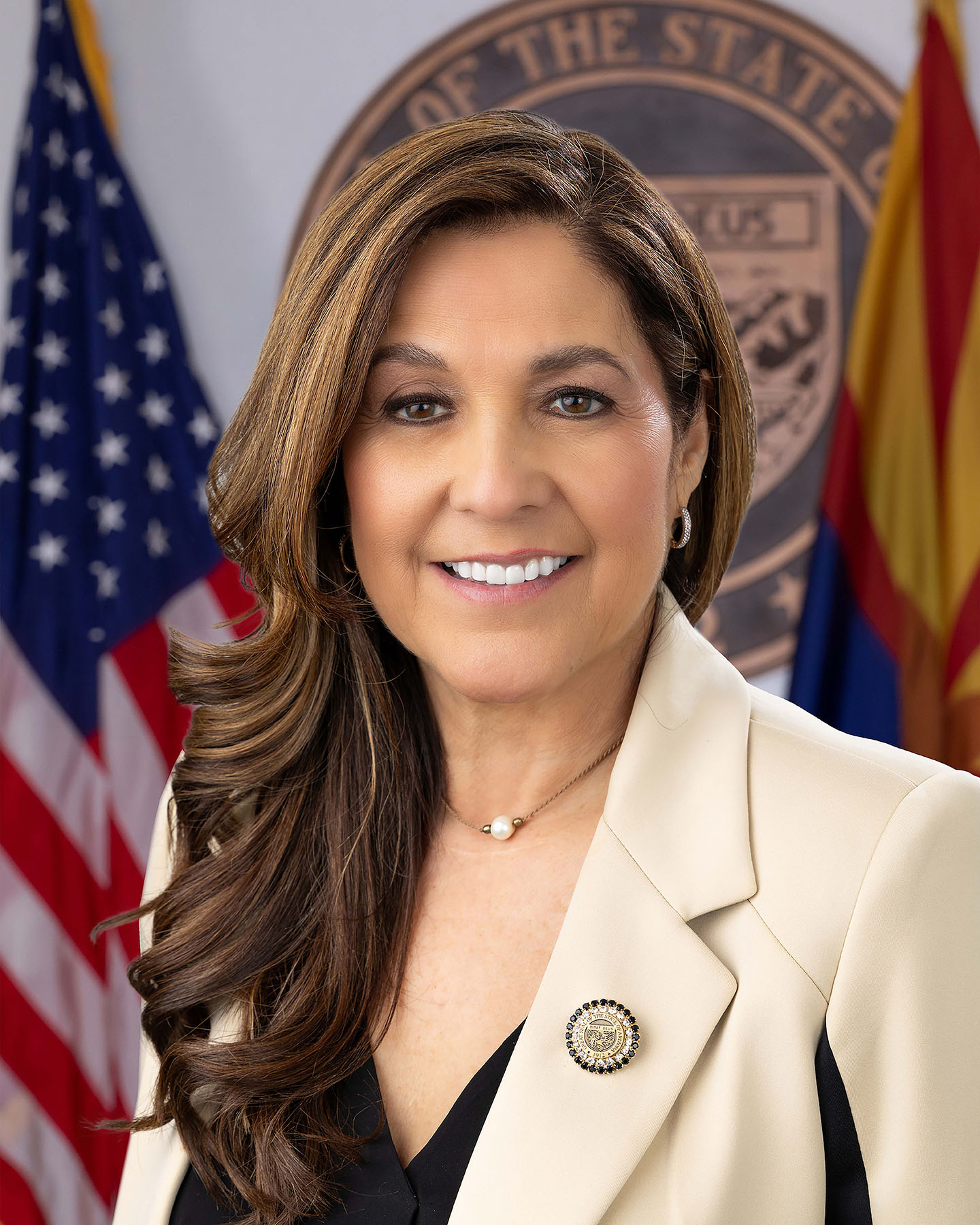
Sen. Catherine Miranda
Sponsored bills
Maddy summarySB 1671 adds traditional healing services as a covered benefit under Arizona's Medicaid program (AHCCCS). This coverage applies only to AHCCCS members who qualify under federal regulations (42 CFR § 136.12) and receive services delivered by or through the Indian Health Service or a tribal facility. The bill explicitly requires federal approval for this coverage and is subject to available funding. It does not alter other existing covered services listed in the statute.
Maddy summarySB 1306 allocates $2,594,840 from Arizona's general fund for the fiscal year 2025-2026 to the existing Law Enforcement Crime Victim Notification Fund. This fund, established under Arizona Revised Statutes § 41-2414, directly supports crime victim notification services provided by law enforcement. The bill provides dedicated funding to ensure consistent support for notifying victims of criminal cases, without creating new programs or altering eligibility. The appropriation is exempt from standard state budget lapse rules, guaranteeing the funds remain available for the specified purpose.
Maddy summaryHB 2381 allows Arizona employees to file written claims with the Department of Economic Security for unpaid wages up to $15,000 within one year of when the wages were due. It gives the department authority to collect these wages through legal remedies like garnishment and deposit collected funds into a special state fund for direct payment to affected workers. The bill directly affects employees owed small amounts of unpaid wages by their employers, streamlining the process for recovery without requiring a court lawsuit. Key changes include setting a clear $15,000 cap on claims, shortening the filing deadline to one year, and establishing the department as the primary collector and distributor of unpaid wages.
Maddy summaryHB 2789 requires construction projects designed to reach at least 60 feet above ground level or 48 feet below ground level to include a functional elevator for employee use. The elevator must be installed and operational once the structure reaches 36 feet in height, measured from ground level to the highest point of the structure (excluding antennas, smokestacks, and similar attachments). This bill directly affects construction companies building large-scale projects in Arizona, mandating elevator access for workers before significant height is achieved. The law specifies exact height measurements and what structures count toward those measurements to clarify compliance.
Maddy summaryHCR 2030 requires Arizona public schools to identify the primary language of all new students and assess English proficiency using state-approved tests. It mandates that students not proficient in English be enrolled in structured English immersion programs with specific daily instructional time (120 minutes for K-5, 100 minutes for grades 6-12). The bill repeals older language education rules and creates a framework for the state board to approve research-based English instruction models, including annual reviews and budget procedures for schools. This directly affects English language learners (ELLs) and their schools, focusing on standardized assessment, program enrollment, and funding mechanisms. The bill establishes the Arizona English Language Learner Fund to support these programs.
Maddy summaryHB 2506 adds two new official state holidays to Arizona's calendar: "Cesar Chavez Day" on March 31 and "Dolores Huerta Day" on April 1. The bill amends Arizona's statutes to include these dates in the list of recognized holidays for state employees and institutions. It directly affects state operations by designating these specific dates as days when state offices and schools would typically close. The key provision is the formal inclusion of these observances into the state's holiday schedule, honoring these civil rights leaders through official recognition.
Maddy summarySB 1185 requires Arizona municipalities to provide 24-hour access to public restrooms and potable water for homeless individuals, and counties to do the same for county-maintained facilities. The bill establishes statewide preemption, prohibiting local governments from adding further regulations on this requirement. It declares homelessness a statewide concern, making the access mandate uniform across all jurisdictions. The bill failed to pass on February 20, 2025, after advancing through Senate readings.
Maddy summaryHB 2705 amends Arizona election laws to require strict compliance with nomination petition rules for candidates. It specifies exact wording for partisan and nonpartisan petitions, clarifies that signatures from multiple counties are acceptable for district offices, and allows post office box addresses for candidates with protected residences. The bill directly affects candidates seeking public office who must gather signatures through these standardized petitions. It failed to advance in the legislature on February 19, 2025, so these changes did not become law.
Maddy summaryHB 2838 updates Arizona landlord-tenant law by changing eviction court judgments and rental agreement rules. It requires courts to calculate unpaid rent as a prorated amount (not the full period) in eviction cases, removes social security numbers from judgments, and prohibits landlords from including excessive late fees ($50 max per period), clauses forcing tenants to pay landlord attorney fees, or blocking tenants from calling emergency services. The bill also clarifies that landlords must give tenants 10 days to fix lease breaches (like false application info), but material falsification of details (e.g., income, criminal history) makes eviction immediate and unfixable. These changes directly affect tenants facing eviction and landlords drafting rental agreements.