

Maddy summarySB 1630 establishes a new Arizona Medicaid program providing home and community-based services for adults with serious mental illness, replacing institutional care when possible. It sets eligibility based on clinical criteria (like recent hospitalizations, medication complexity, or safety risks) and income limits (300% of federal SSI), with options for a qualified income trust to meet financial requirements. Covered services include personal care, medication management, supervised community living, adult day health, and nonemergency transportation. The program requires federal approval by 2027 and aims to support individuals in community settings while avoiding psychiatric hospital or residential facility placement.

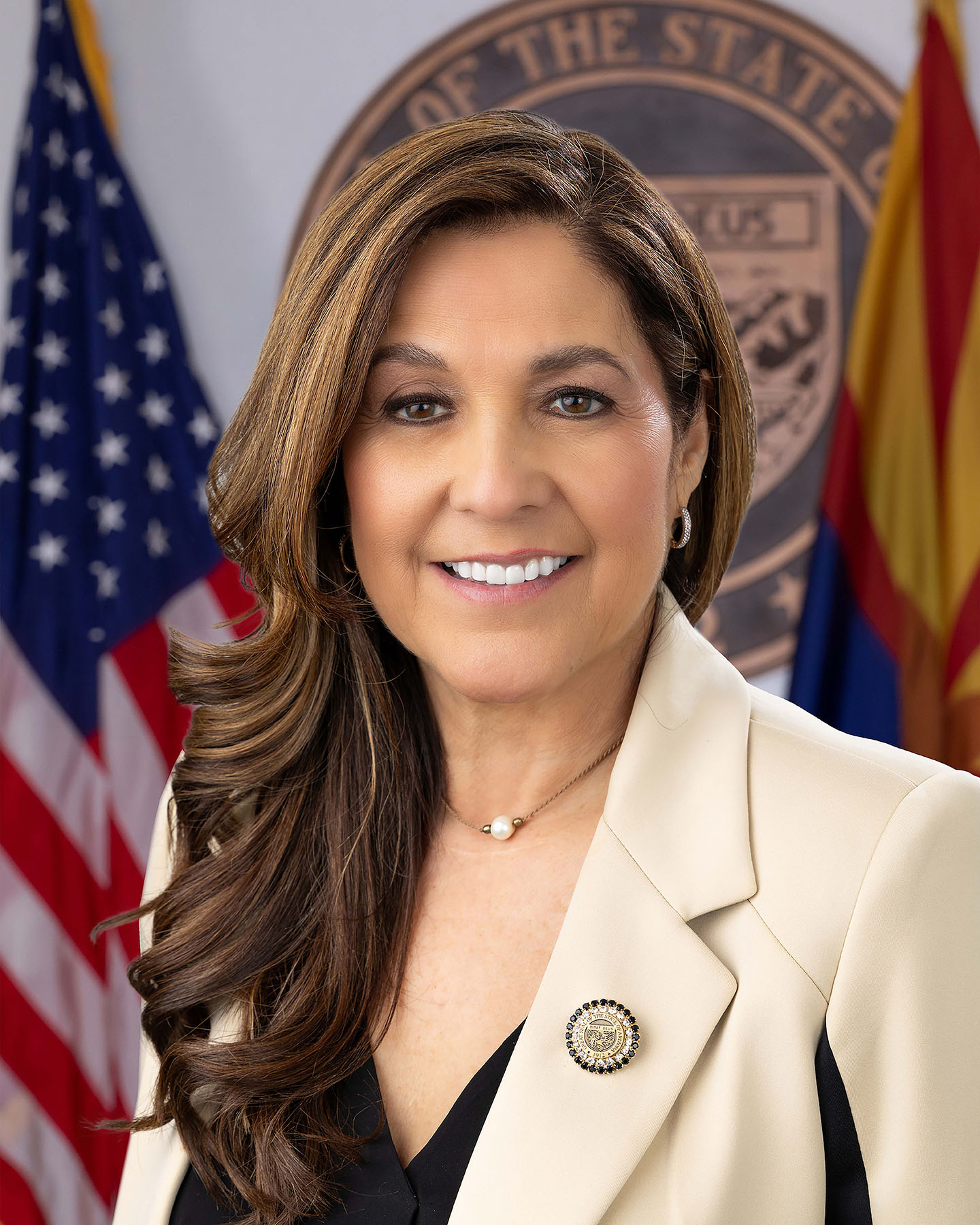
Sen. Catherine Miranda
Sponsored bills
Maddy summarySB 1164 modifies Arizona's long-term care system rules to streamline ownership transitions for facilities serving Medicaid beneficiaries. It allows new owners of skilled nursing or assisted living facilities (that continue providing ALTCS services) to have claims for member care processed and paid under the previous owner's contract until the new owner completes their enrollment and contracting process. This prevents payment delays during ownership changes, ensuring uninterrupted care for members. The provision applies only when the new owner requests continuation and the facility maintains service under the ALTCS program.
Maddy summarySB 1165 prohibits Arizona health insurance plans (including hospital service corporations and health care service organizations) from charging cost-sharing fees (like deductibles or copays) for diagnostic and supplemental breast exams starting January 1, 2027. Diagnostic exams cover evaluations of abnormalities found during screenings or other tests, while supplemental exams are risk-based screenings for individuals with dense breasts, family history, or other factors. The bill requires insurers to cover these exams without cost-sharing even before a high-deductible plan’s deductible is met, aligning with National Comprehensive Cancer Network guidelines. It directly affects insurance providers and beneficiaries seeking these specific breast cancer screening services.
Maddy summarySenate Concurrent Resolution 1055 is a commemorative measure that honors the life and service of Major General Glen W. 'Bill' Van Dyke, a retired Arizona National Guard leader who passed away in April 2026. The resolution formally recognizes his nearly 38 years of military and public service, including his roles as a pilot, commander of the 162nd Fighter Group, and Adjutant General of Arizona. It expresses the legislature's condolences to Van Dyke's family and friends while acknowledging his contributions to the state and nation.
Maddy summaryArizona's HB 4125 raises the minimum marriage age to 16 by requiring that individuals aged 16-17 must meet specific conditions to marry. It prohibits marriage for anyone under 16 and limits marriage for 16-17 year olds to two scenarios: either with a court-issued emancipation order (if the partner is no more than three years older) or with parental/guardian consent (with the same three-year age limit). The bill also prohibits clerks from issuing marriage licenses to under-18s who don't meet these requirements. This directly affects minors seeking marriage and their parents, guardians, or courts. The law changes existing rules to add these safeguards for young marriages.
Maddy summarySB 1488 establishes a committee to study the economic and social impacts on communities dependent on the coal industry, particularly those facing job losses due to coal plant closures. The committee includes bipartisan legislators from rural or tribal areas, nonprofit representatives focused on food security and water protection, Navajo Nation officials, and a Coconino County supervisor. It also appropriates $600,000 for the Office of Economic Opportunity to conduct a workforce development study specifically in Coconino County, where the Navajo Generating Station closed. The committee must submit findings and recommendations to state leaders by December 31, 2026, with the study committee dissolving after September 30, 2027.
Maddy summarySCR 1019 is Arizona's resolution formally approving the Equal Rights Amendment (ERA), a constitutional amendment proposed by Congress in 1972. The ERA would require that the U.S. Constitution guarantee equal rights under the law regardless of sex. Arizona's legislature is voting to ratify this amendment, meaning it supports adding it to the Constitution. The state will transmit this resolution to federal officials as part of the process for the amendment to become binding nationwide.
Maddy summarySB 1031 repeals several Arizona statutes related to immigration enforcement and law enforcement procedures. It removes provisions including Title 11, Chapter 7, Article 8 (which governed immigration-related law enforcement), Section 13-1509, and specific sections of smuggling and border security laws (like Sections 13-2319 and 13-2928). The bill directly affects law enforcement agencies that previously used these statutes to address immigration-related offenses. This is a procedural repeal with no new provisions or funding mechanisms, solely eliminating existing legal frameworks.
Maddy summarySB 1030 amends Arizona statutes to replace the term "alien" with "noncitizen" in legal definitions, including Section 4-202 of the Arizona Revised Statutes, which governs liquor license qualifications. The bill specifically updates language in the liquor licensing section to refer to "legal resident alien NONCITIZEN" instead of "legal resident alien," clarifying terminology for noncitizen license holders. This is a purely linguistic change with no impact on eligibility requirements or policy for obtaining liquor licenses. The bill applies to all referenced statutes and does not alter existing rules or outcomes.
Maddy summaryThis resolution expresses the Arizona Legislature's sincere regret and deepest condolences regarding the death of former Senate Majority Leader Alfredo Gutierrez. It formally acknowledges his life of public service, highlighting his advocacy for civil rights, education, and immigrant communities, as well as his significant legislative achievements such as establishing the Arizona Department of Transportation and expanding Medicaid. The bill does not enact new laws or policies but serves as a commemorative gesture to honor his legacy and offer support to his surviving family members.