

Maddy summaryHB 2448 updates Arizona's election rules for voting locations. It allows counties to combine polling places for efficiency, establishes procedures for emergency voting centers during elections (including updated voter registration at these sites), and requires school principals to provide written reasons if denying polling space. The bill also mandates that government-owned buildings be made available for voting locations starting in 2026. These changes directly affect local election officials and voters by altering where and how elections are conducted.
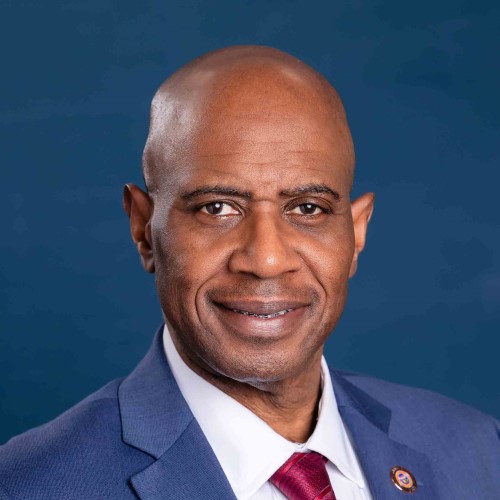
Rep. Walt Blackman
Sponsored bills
Maddy summaryArizona's SB 1109 prohibits foreign principals (including governments, businesses, or individuals from countries identified by U.S. intelligence as posing national security risks) from owning or acquiring most real property in Arizona. Exceptions allow small residential parcels (≤2 acres) for natural persons with valid U.S. visas, provided the property is not near military sites or critical infrastructure. The Attorney General enforces the law, and courts can order the sale of illegally held property, with proceeds distributed to lienholders, the state, and the original owner. The bill directly affects foreign entities from designated countries but exempts existing owners and specific residential purchases meeting strict conditions.
Maddy summaryHB 2679 establishes a new framework for Arizona public power entities (like municipal utilities) to finance infrastructure upgrades by issuing "Transition Bonds." These bonds are secured by future customer payments called "Financing Charges," which become nonbypassable fees added to all customers' utility bills until the costs are fully recovered. The bill creates specific definitions for terms like "Financing Charges," "Qualified Special Purpose Entity," and "Transition Bonds," ensuring these payments cannot be avoided regardless of the customer's service provider or asset ownership. This mechanism allows public power entities to shift financing costs to customers over time rather than relying solely on traditional rate increases.
Maddy summaryHB 2895 requires cities, counties, school districts, and state agencies in Arizona to publicly post task order contracts (for ongoing services or supplies) on their websites. It mandates that contracts must include the total dollar amount, contractor name, service description, and contract length - these items cannot be redacted. Contractors may redact personal or proprietary information beyond these four required details. The bill was passed by the legislature in May 2025 but was vetoed by the Governor on May 13, 2025, preventing it from becoming law.
Maddy summaryHB 2742 streamlines the process for requesting court-ordered mental health evaluations in Arizona. It requires standardized application forms with specific details about the person needing evaluation (including behavioral evidence, treatment history, and witness information), and mandates that screening agencies process applications within 48 hours. The bill explicitly protects individuals receiving treatment through recognized religious practices from involuntary evaluation unless a court determines they pose a danger to self or others. This affects individuals with serious mental health concerns who are unwilling or unable to seek voluntary care, as well as healthcare providers, law enforcement, and courts handling such cases.
Maddy summaryHB 2080 changes Arizona's retirement system for elected officials by shifting them to a defined contribution plan, where employers (not employees) pay all required contributions. Elected officials (like mayors and city council members) must contribute 8% of their salary, but this is paid by their employer through salary reduction, making it tax-exempt for the employee. The bill also restructures the retirement board to include more appointed representatives from law enforcement, firefighters, cities/towns, and counties, requiring members to have specific financial expertise. All contributions and earnings become immediately vested, and the board must follow strict fiduciary standards for managing retirement funds.
Maddy summaryHB 2112 requires websites and social media platforms hosting over one-third sexual material harmful to minors to implement age verification, confirming users are 18+ using methods that do not transmit or retain personal data to government entities. It prohibits commercial entities from sharing or keeping user identifying information during verification and imposes penalties of up to $10,000 per day for non-compliance or $250,000 if minors access restricted content. The law directly affects commercial online platforms but exempts news organizations, search engines, and internet service providers from liability for content they host but do not create. Violators face civil lawsuits with potential fines and attorney fee recovery for affected minors or parents. It defines "harmful to minors" material as content exploiting sexual acts or prurient interests without artistic/scientific value for youth.
Maddy summaryHB 2221 prohibits Arizona cities and towns from reducing their annual police department budgets below the previous year's level. If a city or town cuts police funding, it must notify the state treasurer, triggering the withholding of state shared funds equal to the cut amount until the budget is restored. Exceptions allow budget reductions only during financial hardship (with city-wide cuts first), population decline, or if temporary increases were reversed. The bill, passed by the legislature in May 2025 but vetoed by the governor, declares police funding a statewide concern affecting public safety.
Maddy summarySB 1107 continues Arizona's Motorcycle Safety Fund through June 30, 2025. It requires the Department of Transportation to deposit $1 from each motorcycle registration fee into the fund, which is administered by the governor's office of highway safety. Funds must be used exclusively for voluntary motorcycle safety programs, including education, training, awareness, and related materials. The bill prohibits using these funds for general state operations or the general fund. This continuation ensures ongoing support for motorcycle safety initiatives without altering existing fee structures or program requirements.
Maddy summaryHCR 2049 is a symbolic resolution passed by Arizona's legislature, not a binding law. It asserts Arizona's sovereignty under the Tenth Amendment by declaring the state will not use state personnel or funds to enforce federal laws or programs deemed unconstitutional by Arizona. The resolution demands the federal government cease "commandeering" state actions and prohibits Arizona from complying with federal mandates that courts have ruled unconstitutionally coercive. It serves as a formal statement sent to federal officials, emphasizing Arizona's position but having no legal effect on federal law or enforcement.