

Maddy summaryHB 2243 requires landlords in Arizona to clearly disclose the purpose and amount of rental application fees to prospective tenants before charging them. Landlords must provide written details about fee use, screening methods, and automatic denial criteria, and cannot charge different fees for similar units or retain fees exceeding actual processing costs. If a fee is overcharged, landlords must refund the difference within 14 days and provide a receipt. Violations could result in triple damages plus legal fees for tenants. The bill directly affects landlords and renters in Arizona rental housing.
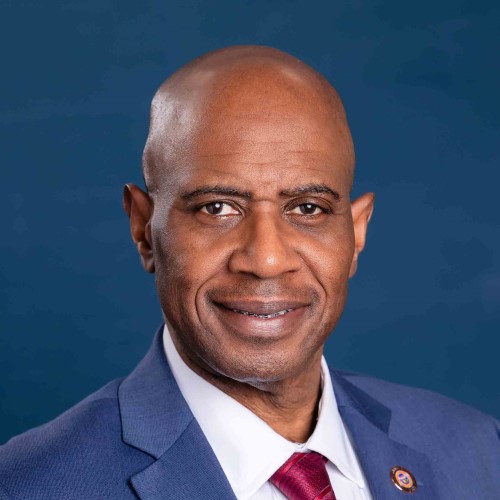
Rep. Walt Blackman
Sponsored bills
Maddy summaryHB 2246 amends Arizona law to clarify definitions for telephone sales of "business opportunities," primarily affecting sellers making phone calls offering business setups requiring a $500+ initial payment. The bill defines prohibited practices, such as falsely claiming consumers will earn more than their initial payment, guaranteeing income, or promising unverified market access for goods/services. It specifically targets deceptive sales tactics in phone solicitations, including misleading claims about refunds, marketing support, or guaranteed outcomes. The law aims to protect consumers from fraudulent or misleading phone sales by setting clear standards for what constitutes a "business opportunity" in telephone transactions.
Maddy summaryHB 2234 allows Arizona cities and towns to streamline licensing approvals for development projects that meet zoning, infrastructure, and safety standards. It authorizes city staff (not elected officials) to approve certain site plans, design reviews, and permits without public hearings, and creates a self-certification program where architects/engineers can verify compliance for qualifying projects subject to city audits. The bill also enables expedited reviews for applicants with strong compliance histories and excludes historic districts from these streamlined processes. It does not change zoning requirements or safety standards but aims to reduce administrative delays for eligible projects.
Maddy summaryHB 2238 allocates $14.5 million in state funds for public safety infrastructure upgrades in Apache Junction and the Superstition area during fiscal year 2026-2027. It provides $5.5 million for the Apache Junction police department's headquarters expansion, $7 million for modernizing Superstition Fire and Medical District's Station 265, and $2 million for police radio interoperability upgrades. The bill directly funds specific physical infrastructure and technology improvements for these local public safety agencies. This is a straightforward funding allocation with no new policy requirements or regulations.
Maddy summaryHB 2069 appropriates $40.5 million from Arizona's state general fund for Apache Junction's water infrastructure in fiscal year 2026-2027. The funds directly support three projects: $18 million for the Apache Junction water district to expand water and sewer capacity, $10 million for the city of Apache Junction to build a stormwater retention facility, and $12.5 million for water resilience and conservation initiatives. These provisions aim to enhance local water management and infrastructure resilience. The bill is currently in early legislative stages (prefiled, first reading).
Maddy summaryHCR 2055 is a voter referendum (not enacted law) proposing that Arizona declare drug cartels "terrorist organizations" under state law and direct the Arizona Department of Homeland Security to address this threat. It defines "drug cartel" as groups engaging in human smuggling, drug trafficking, or terrorism, and states that this declaration does not affect asylum claims under federal law. The resolution cites voter-approved Proposition 314 and findings about border security concerns, including fentanyl trafficking and border crossings by individuals on terrorist watchlists. This measure failed to pass in the June 27, 2025, vote and did not become law.
Maddy summaryThis bill amends Arizona law to clarify bond requirements for the Department of Veterans' Services when acting as conservator or guardian for veterans. It specifies the department must post a $500,000 corporate surety bond and eliminates the need for additional bonds in court appointments. The key provision requires courts to authorize charging each veteran's estate a share of the bond premium, paid from the estate's assets and deposited into the state general fund. This directly affects veterans' estates managed by the department under conservatorship or guardianship.
Maddy summaryThis bill creates Arizona's first formal program to help foreign-trained doctors and nurses obtain state licensure. It establishes a temporary license allowing qualified applicants (who verify their education, pass English proficiency tests, prove legal U.S. status, and pass background checks) to work under supervision in designated healthcare shortage areas for 12-24 months. After completing supervised practice and passing licensure exams, participants must commit to working in underserved communities for 2-4 years to receive full licensure. The program also provides support like mentorship, exam preparation, language training, and partnerships with healthcare facilities in shortage areas.
Maddy summaryHB 2401 appropriates $4 million from Arizona's state general fund for fiscal year 2025-2026 to the Department of Administration, which will distribute the funds to the town of Taylor. The money is specifically designated to expand the Taylor rodeo grounds. This bill directly affects the town of Taylor by providing state funding for infrastructure improvements at their rodeo facility. It is a straightforward funding measure with no additional policy provisions or voting requirements.
Maddy summaryHCR 2013 is a proposed law requiring Arizona counties to verify voters' addresses before mailing early ballots and restricting foreign funding in election administration. It mandates that large counties (500,000+ population) require voters to confirm their address each election cycle via mail, phone, or online portal before receiving an early ballot, while smaller counties must do so every four years. The measure also prohibits government election administration from using funds from foreign governments or non-U.S. individuals, requiring vendors to certify annually they receive no such funds and imposing misdemeanor penalties for violations. This referendum failed to pass in June 2025 and would require voter approval to become law.