

Maddy summaryHB 2174 requires modeling organizations that create predictive models for use by insurers in Arizona to file specific documents with the state insurance department before making those models available. Organizations must submit organizational documents, bylaws (if applicable), a resident agent for legal notices, and details about the insurance types covered. The insurance director must approve the models and supporting data, which are kept confidential and exempt from public disclosure. This law applies to new models filed for approval starting December 31, 2026, with existing approved models not needing re-filing.

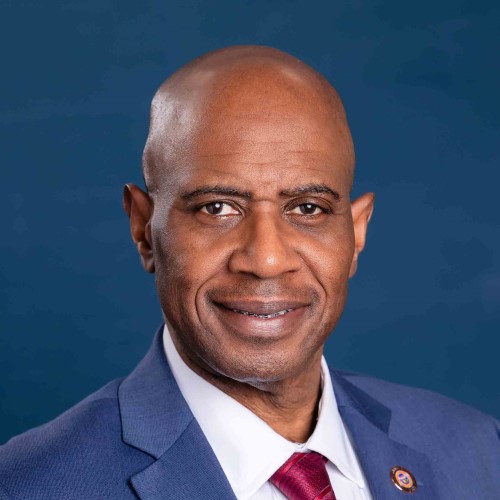
Rep. Walt Blackman
Sponsored bills
Maddy summaryHB 2226 requires courts to ask arrestees at their first court hearing if they are U.S. military veterans. If confirmed (via documents like a DD-214), prosecutors must inform veterans about veterans' services and refer them to veterans' courts or treatment programs - unless the person faces serious charges like violent crimes or crimes against children. The bill directly affects veterans arrested for non-serious offenses, creating a pathway to specialized support instead of standard criminal proceedings. It does not change existing criminal penalties but adds a procedural step for veterans' case processing.
Maddy summaryHB 2755 changes Arizona state land sale and lease rules by establishing that mineral extraction or exploration is presumed to be the highest and best use of state lands when competing with other commercial uses. If a buyer or lessee wants to override this presumption (e.g., for housing or other development), they must follow specific procedures to trigger a public auction within 90 days. The bill directly affects individuals or companies seeking to purchase or lease state lands, as it shifts the default to prioritize mining unless a competitive auction process is initiated. Key provisions require the state commissioner to assume mineral use is primary in conflicts and mandate transparent auctions for alternative proposals. This policy change applies to both land sales (Section 37-262) and leases (Section 37-296) under Arizona law.
Maddy summaryHB 2611 amends Arizona law to define specific rights for children in foster care or kinship foster care placements. The bill lists 27 concrete rights, including access to education, medical care, privacy, safety, and participation in care planning meetings, with additional transition-focused rights for youth aged 14+ (e.g., career planning, help obtaining IDs). It requires child welfare agencies to provide written information about these rights to children upon placement and to post them in foster homes. The law also establishes complaint channels for children to report rights violations to the department or ombudsman. This directly affects all children in Arizona foster or kinship care placements.
Maddy summaryHB 2244 modifies Arizona eviction laws to streamline the process for tenants who have paid a judgment following an eviction. It requires landlords to file a "satisfaction of judgment" within 40 days of full payment, but if they fail to respond to a tenant's motion within 15 days, the tenant faces no filing fee, no court hearing, the judgment is automatically considered satisfied upon proof of payment, and all eviction records are sealed. This directly affects tenants who paid eviction judgments but faced delays or obstacles from landlords. The key mechanism removes procedural barriers for tenants while imposing specific deadlines on landlords to resolve payment records. The bill focuses on concrete administrative changes to expedite record clearance after tenant payment.
Maddy summaryHB 2661 expands rights for parents, guardians, and custodians during child safety investigations and when children are in state custody. It requires child safety workers to inform these individuals of their specific rights at the start of an investigation and when case plans change, and mandates a signed written attestation confirming they understand these rights. The bill allows them to refuse certain actions (like signing release forms, consenting to drug tests, or submitting to mental health evaluations) without immediate child removal, and provides clear steps to report violations to the department, ombudsman, or juvenile court. These changes aim to ensure parents and guardians are fully informed and can challenge perceived rights violations in child welfare cases.
Maddy summaryHB 2957 is a definitions bill that amends Arizona's driver license statutes by clarifying terms like "autonomous vehicle," "automated driving system," and "electric bicycle." It does not create new restrictions or requirements but establishes standardized definitions for future legislative or regulatory use. The bill directly affects how Arizona law will interpret these terms in upcoming transportation rules, including those related to self-driving cars and e-bikes. This procedural update has no immediate impact on current driver licensing or vehicle operation.
Maddy summaryHB 4128 is a technical correction to Arizona's adoption expense reimbursement program. It updates the deadline for filing applications to claim one-time adoption costs (like legal fees) for adoptions finalized between January 1, 1987, and the bill's effective date (September 27, 1990), requiring applications to be filed by December 14, 1990. The amendment also clarifies that reimbursements may be granted after adoption finalization under specific historical circumstances, such as adoptions entered before 1987 but with costs paid after January 1, 1987. This bill directly affects adoptive parents seeking state reimbursement for eligible adoption expenses.
Maddy summaryHB 4131 amends Arizona law to change the penalty for knowingly making false statements under oath about veterans' claims from a misdemeanor to a class 5 felony. This technical correction directly affects individuals who submit false information when applying for or claiming veterans' benefits. The key provision updates Section 41-607 of the Arizona Revised Statutes to increase the criminal classification for this specific offense. The bill does not alter veterans' benefit eligibility or access, only the legal penalty for fraudulent claims.
Maddy summaryThis is a commemorative resolution (HCR 2063), not a substantive bill. It honors Yvonne Glee Lime Fedderson, founder of Childhelp and a global humanitarian dedicated to child welfare, following her death on January 23, 2026. The resolution expresses the Arizona Legislature's sympathy to her family and admirers, and directs the Secretary of State to send copies of the resolution to her family and Childhelp. It has no policy provisions or impact on legislation.