

Maddy summaryHB 2403 appropriates $5 million from the state general fund for fiscal year 2025-2026 to the Arizona Department of Transportation for road expansions in Show Low. The funds will be distributed to the Town of Show Low specifically for two projects: expanding Wilford Road and improving Woodside Trail and White Mountain Lake Road. This bill directly affects Show Low residents and local infrastructure by providing state funding for these transportation projects. It is a funding allocation bill with no policy changes beyond the specified financial commitments.
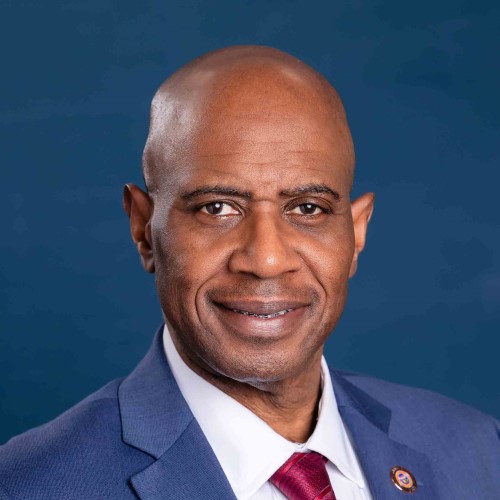
Rep. Walt Blackman
Sponsored bills
Maddy summaryHB 2612 prohibits private advisors from charging upfront or nonrefundable fees for helping veterans navigate benefits claims. Instead, any payment must be contingent on increased benefits (capped at five times the benefit increase) and requires a clear disclosure that free government services are available. The bill mandates specific written agreements with veterans and bans guarantees of specific benefits or advertising without required warnings. It directly affects private advisors and third-party services assisting veterans with claims, not government agencies or accredited VA representatives. Violations could lead to civil penalties paid into Arizona's veterans' homes trust fund.
Maddy summaryHB 2280 clarifies definitions related to homeowners' association (HOA) fees and liens in Arizona law. It defines key terms like "common expense lien" to explicitly include unpaid assessments, late fees (if authorized), collection costs, and attorney fees awarded by court. The bill does not change HOA practices but ensures clarity on which costs can be secured by a lien against a property. It directly affects HOA members who pay assessments and HOAs managing collections. This is a definitional amendment to existing statutes (sections 33-1202 and 33-1256), not a new policy.
Maddy summaryHB 2215 allows Arizona's Department of Corrections to store inmate medical records electronically instead of maintaining physical copies. If the department chooses electronic storage, it is no longer required to keep or retain physical records of inmates' medical treatment provided in department facilities. This bill directly affects the Department of Corrections' record-keeping practices and ensures inmates' medical history is managed through digital systems without mandating physical retention.
Maddy summaryThis bill adds specific protections for peace officers who intercept, disable, or destroy unmanned aircraft (drones) within 30 miles of Arizona's international border. It expands qualified immunity under Arizona law, shielding public employees and contractors from lawsuits for injuries caused during such drone operations unless the officer acted with gross negligence or intent to cause harm. The law explicitly states that drone operators cannot hold officers liable for injuries resulting from these border-related drone interventions. This directly affects drone operators who may no longer pursue legal claims against law enforcement for such incidents near the border.
Maddy summaryHB 2218 establishes the Workforce Arizona Council, appointed by the governor, to advise on statewide workforce development. The council develops workforce plans, reviews policies, improves service delivery systems, and creates performance metrics. It must submit an annual report by December 1st detailing program outcomes, including participant numbers, employment rates, costs per participant, and demographic data broken down by race, ethnicity, sex, and age. State agencies and community colleges must provide the required data by November 1st each year to compile the report, which is sent to the governor, legislature, and budget committee. This bill primarily affects state workforce programs, agencies, and community colleges through new reporting requirements.
Maddy summaryHB 2278 requires Arizona homeowners' associations (HOAs) to make specific financial and operational records available to members upon request. It mandates that HOAs provide records like budgets, assessments, meeting minutes, contracts, and insurance policies within 10 business days, with a $0.15 per page fee for copies. The bill prohibits HOAs from charging for access to records and restricts disclosure of personal member information, attorney communications, or pending litigation. This directly affects HOA members seeking transparency and HOAs responsible for complying with these access rules.
Maddy summaryHB 2279 allows Arizona homeowners' associations to hold board and unit owner meetings virtually or via telephone conference, replacing in-person requirements. It mandates that associations provide at least 48 hours' notice and an agenda for board meetings after the end of declarant control, with emergency meetings permitted without full notice if necessary. The bill specifies that meetings may only be closed for limited reasons - such as legal advice, personal health information, or pending litigation - and requires boards to state the applicable exception when closing a meeting. These changes aim to increase meeting accessibility for homeowners while maintaining transparency and member participation rights.
Maddy summaryHB 2011 authorizes the placement of a monument honoring The Church of Jesus Christ of Latter-day Saints' migration history in Arizona's governmental mall (state capitol grounds). The bill requires the church group itself to fund all design, construction, and placement costs - public funds cannot be used, and the state cannot facilitate fundraising. It specifies that all monument-related activities must follow existing state procedures for public art. The authorization expires on September 30, 2030, after which the provision ceases to apply.
Maddy summaryHB 2002 amends Arizona law to establish rules for counties that voters approve to levy a transportation excise tax. The tax rate cannot exceed 20% of existing business transaction tax rates, and collected funds must be deposited into specific transportation funds based on county population size: counties over 400,000 residents send revenue to the regional transportation fund, while smaller counties can choose between funds or split allocations. All tax revenue must be used for transportation projects within the county, with no reduction in tax rates if underlying business taxes change. The bill requires voter approval for the tax to take effect and specifies it would be effective starting April 9, 2026.