

Maddy summaryHB 2087 requires West Virginia public schools to post adopted curriculum online by the start of each school year, with access limited to students, parents, or guardians. It grants parents, custodians, or guardians the right to inspect classroom materials (including books) upon request, including scheduling appointments within 10 business days and receiving explanations linking materials to state standards. The bill also mandates that teachers list required books on class syllabi and make them available to parents upon request. Additionally, it establishes a complaint process for non-compliance, allowing parents to report issues to school superintendents, with annual statewide reporting of complaints to the Legislative Oversight Commission. (Note: The bill specifically affects parents/guardians of enrolled students, not general taxpayers as noted in the title.)
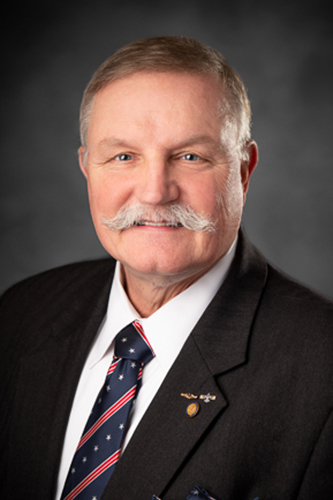
Del. Rick Hillenbrand
Sponsored bills
Maddy summaryHB 2609 requires device manufacturers and app stores to verify users' ages and obtain parental consent before allowing children under 16 to download applications. It mandates developers to provide parental controls - such as time limits, content filters, and account management tools - based on real-time age data provided by the app store. The law applies to new devices starting January 1, 2026, with older devices needing compliance by January 1, 2027. This directly affects parents/guardians, device makers (like Apple or Google), app developers, and children under 16.
Maddy summaryThis bill (HCR 20) is a legislative request to name a specific bridge in Wetzel County, West Virginia, the "U.S. Tustin Brothers Memorial Bridge." It directly affects the Division of Highways, which would be asked to rename bridge number 52-250/00-003.88 (currently known as Stewart Street Bridge) and install identifying signs. The resolution commemorates Vernon and Vincent Tustin, along with five of their brothers, who all served in the U.S. military, including during the Korean Conflict. The request is purely ceremonial, with no new policy or funding changes, and seeks to honor their military service and local legacy.
Maddy summaryHB 3295 establishes a "Troops-to-Teachers" program to recruit veterans into teaching positions in West Virginia public schools. The bill requires the state superintendent to create this program specifically targeting veterans, including retirees, for teaching roles. Veterans will receive a hiring preference in public school employment, as outlined in existing law (§6-13-1). This program is integrated into West Virginia’s teacher certification framework under revised education code sections (§18A-3-1 and §18A-3-2a).
Maddy summaryHCR 21 is a commemorative resolution requesting the West Virginia Division of Highways rename a specific bridge in Wetzel County. It asks to name bridge number 52-250/12-000.02 (at coordinates 39.68344, -80.45906), currently known as Church Fork Bridge, as the "U.S. Army Private Terry F. Tustin Memorial Bridge." The resolution cites Private Tustin's military service in Vietnam, his long residence in Hundred, West Virginia, and his family ties as reasons for the memorial. The bill directs the Division of Highways to install signs identifying the bridge by its new name. This is a symbolic naming request with no policy changes or funding impact.
Maddy summaryHCR 25 is a procedural resolution requesting the West Virginia Division of Highways rename a specific section of U.S. Route 250 (north of Moundsville city limits to just north of WV Route 891) to "Waynesburg Pike Road" and install a sign at the intersection of WV Route 88 and U.S. Route 250. It directly affects road signage and identification for drivers using this segment of road. The resolution follows a prior designation by the Marshall County 911 Infrastructure Renaming Committee and does not change traffic laws or regulations. It is a non-binding request for the Division of Highways to implement the name change and signage.
Maddy summaryHB 3116 updates West Virginia's incest statute to clarify and expand the definition of family relationships covered under the law. It specifically adds "aunt" and "uncle" to include relatives by marriage (e.g., a person's wife of an uncle or husband of an aunt) and ensures the law applies equally to same-sex marriages. The bill directly affects individuals in familial relationships involving married aunts/uncles or same-sex spouses, making the legal definitions more inclusive. It does not change penalties (5-15 years imprisonment or fines) but ensures the statute applies to all qualifying familial relationships, including those formed through marriage.
Maddy summaryHJR 40 proposes a constitutional amendment to change how members of the West Virginia State Board of Education are selected. It would replace the current system of nine appointed members with a hybrid model: five members elected on a partisan basis from five geographic regions (serving staggered four-year terms), and four members appointed by the Governor with Senate consent. The amendment would require the Board to submit any rules or policies they create to the Legislature for review, approval, amendment, or rejection. If approved by voters in the 2026 general election, these changes would take effect with the 2028 general election, modifying the current appointment system for the Board.
Maddy summaryThis bill updates West Virginia's campaign finance rules by allowing corporations and membership organizations (including nonprofits and LLCs) to directly contribute to candidates, candidate committees, or political action committees. It clarifies reporting requirements for these contributions and defines key terms like "corporation" and "contribution" to improve transparency. The changes affect candidates, their committees, and corporate donors by streamlining disclosure rules for campaign spending. The bill focuses on modernizing reporting standards rather than restricting contributions.
Maddy summaryHB 2181 prohibits counties and municipalities from charging fees, requiring connection to, or imposing improvement costs on private landowners who already have privately installed sanitary sewer systems. It directly affects landowners who installed their own sewers before the county built a public system, excluding them from being classified as "users" under sewer fee rules. The bill amends West Virginia law by redefining "user" to clarify these landowners cannot be charged for county sewer systems or required to connect. This policy change prevents municipalities from imposing public sewer costs on private system owners who predated municipal infrastructure.