

Maddy summarySB 5610 creates a dedicated account to cover federal compliance costs for Washington's horse racing industry. It allows the Horse Racing Commission to collect fees from the industry to pay federal fees under the Horseracing Integrity and Safety Act, and requires annual transfers of specific tax revenues from class 1 racing associations (like those from parimutuel and sales taxes) into this account. The funds can only be used to pay federal regulatory fees or direct compliance costs, not for general state purposes. This bill directly affects horse racing associations that collect these taxes and the state treasurer, who handles the fund transfers. The account is restricted to federal compliance costs, with no tax credit or new taxes created.
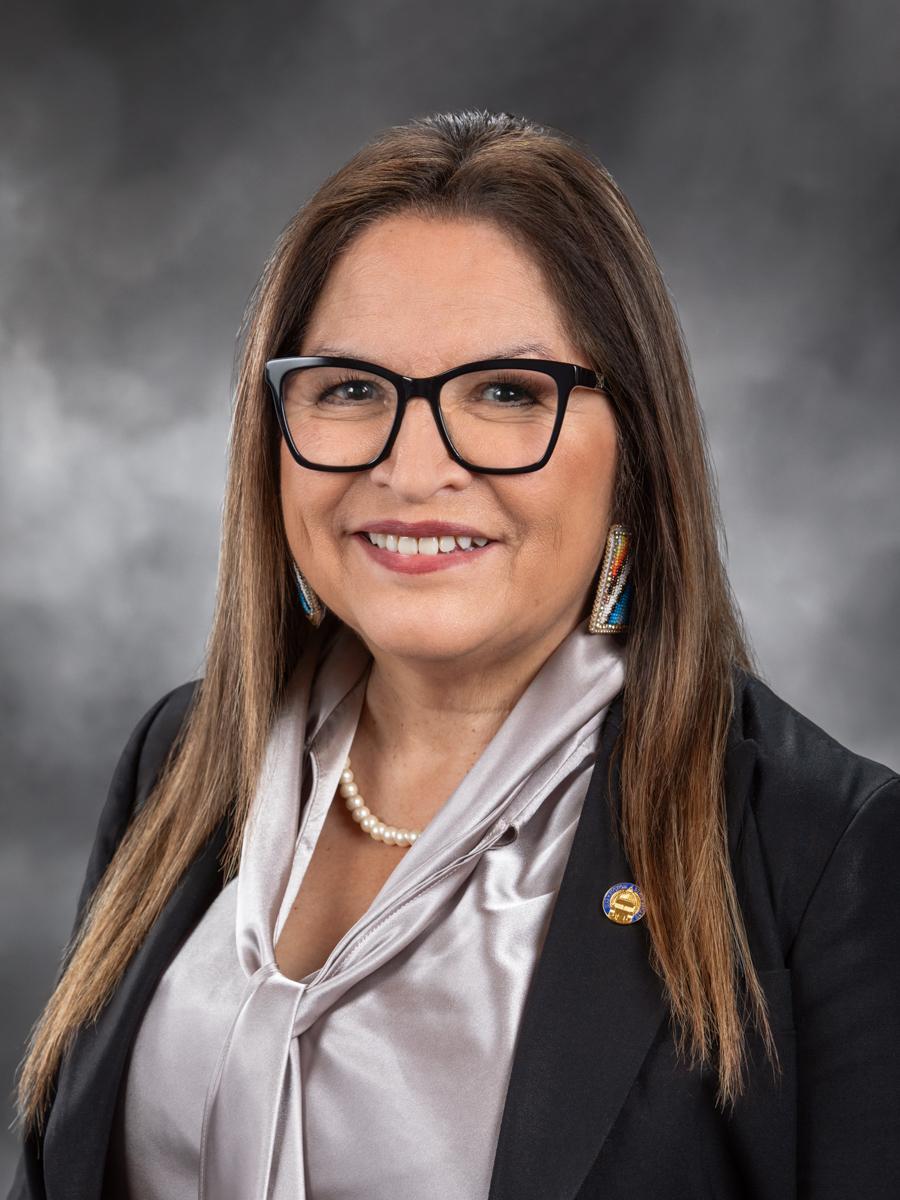
Sen. Claudia Kauffman
Sponsored bills
Maddy summaryThis bill proposes a constitutional amendment allowing Washington's legislature to create a property tax exemption for primary residences. If approved by voters, it would enable future legislation to establish this exemption, with the legislature determining eligibility and specific conditions. The amendment requires voter approval at the next general election and does not create the exemption itself, only authorizes its potential future implementation.
Maddy summarySB 5626 creates a wage replacement program in Washington State for workers excluded from standard unemployment insurance, such as independent contractors, gig workers, and others not covered by traditional UI. It establishes a state-managed fund to provide weekly payments to eligible applicants who meet residency requirements (verified through documents like utility bills, school records, or Washington ID) and experience job loss. The program will be administered by a third-party contractor selected by the Employment Security Department, with outreach to potential applicants through community organizations. The bill is pending in the Senate Ways & Means Committee after a public hearing, with implementation required by July 2026.
Maddy summarySB 5352 ensures all Washington public school students can receive free meals daily upon request, removing previous income-based eligibility requirements. The bill directly affects every student in state public schools who seeks a meal, eliminating the need for families to qualify through income verification. Key provisions amend school funding laws to require districts to provide free meals to all requesting students, aligning with the legislature's finding that hunger should not hinder academic success. This policy change shifts meal access from a means-tested program to universal availability within public schools.
Maddy summarySB 5541 establishes a pilot program to provide $25,000 grants to eligible Washington residents born into poverty. It directly affects individuals who were born in Washington, enrolled in Medicaid before age 1, and are aged 18-35 at application. The grants can be used for education, home purchases, or starting a business through designated institutions, and are specifically structured not to count as income or assets for public assistance eligibility. The pilot will randomly select participants statewide, require financial coaching, and include impact evaluations to assess economic stability outcomes. The program aims to test whether such seed capital interrupts intergenerational poverty cycles.
Maddy summarySB 5684 bans political campaigning within 100 feet of county auditor election office buildings and their adjacent parking lots routinely used by voters during voting periods. It prohibits distributing campaign materials, soliciting votes, or engaging in activities that could intimidate voters near these locations. The law expands existing restrictions from voting centers to include office buildings and their parking access routes, requiring election officials to post warning signs. Violations are punishable as gross misdemeanors, but it does not restrict authorized political observers from monitoring elections.
Maddy summarySB 5304 expands Washington's Students Experiencing Homelessness and Foster Youth Program to include accredited tribal colleges, previously limited to public four-year institutions. The bill requires participating tribal colleges and four-year schools to provide specific supports like laundry access, housing assistance, reduced-price meals, technology resources, and case management for eligible students. It directly affects students who experienced homelessness or were in foster care upon high school graduation, ensuring they can access these services at tribal colleges meeting accreditation standards. The program also mandates annual reporting on participation and program effectiveness to the legislature.
Maddy summarySB 5704 requires health care entities in Washington to notify the attorney general and health care authority about major mergers, acquisitions, or contracting arrangements. This aims to prevent anticompetitive outcomes that could reduce access to affordable, quality care - particularly for reproductive, end-of-life, gender-affirming, and rural health services. The law mandates review of these transactions to ensure communities maintain or improve access to essential services, with specific protections for marginalized groups affected by past consolidation. It supplements federal antitrust rules by expanding reporting requirements for transactions below federal thresholds.
Maddy summarySenate Bill 5108 aims to regulate service contracts and protection product guarantees, affecting consumers who purchase these agreements for various personal property. The bill updates and expands definitions for terms such as "administrator," "consumer," and "protection product guarantee." It broadens the scope of what constitutes a "service contract" to include specific services like tire and wheel repair from road hazards, paintless dent removal, windshield repair, and the replacement of motor vehicle keys or key fobs. Additionally, it defines "protection product guarantees" as agreements to repair or replace another product or cover incidental costs if a protective product fails to perform as specified.
Maddy summarySB 5523 requires community college districts in Washington to appoint a student trustee to their governing boards. The student trustee, selected by the governor from a list submitted by student governments, must be a full-time student (enrolled in at least 10 credits) in good academic standing. The bill mandates this position for all community college districts, with the student serving a one-year term starting July 2026, and grants them voting rights on board matters. This policy aims to incorporate student perspectives directly into governance decisions affecting campus life and services.