

Maddy summarySB 6355 proposes creating the Washington Electric Transmission Authority to upgrade the state’s electric grid for reliability and capacity. It directly affects utilities (both investor-owned and consumer-owned), communities near transmission projects, and tribal nations by establishing a centralized body to coordinate grid planning, siting, and permitting. Key mechanisms include appointing a 10-member board with diverse expertise (e.g., clean energy, tribal representation, ratepayer protection) to oversee transmission projects, identify priority corridors by 2027, and engage stakeholders. The bill aims to support Washington’s decarbonization goals (carbon neutral by 2030) by enabling access to regional renewable energy, improving resilience against extreme weather, and maintaining affordable rates. The authority would work to modernize infrastructure without requiring new voter approval.
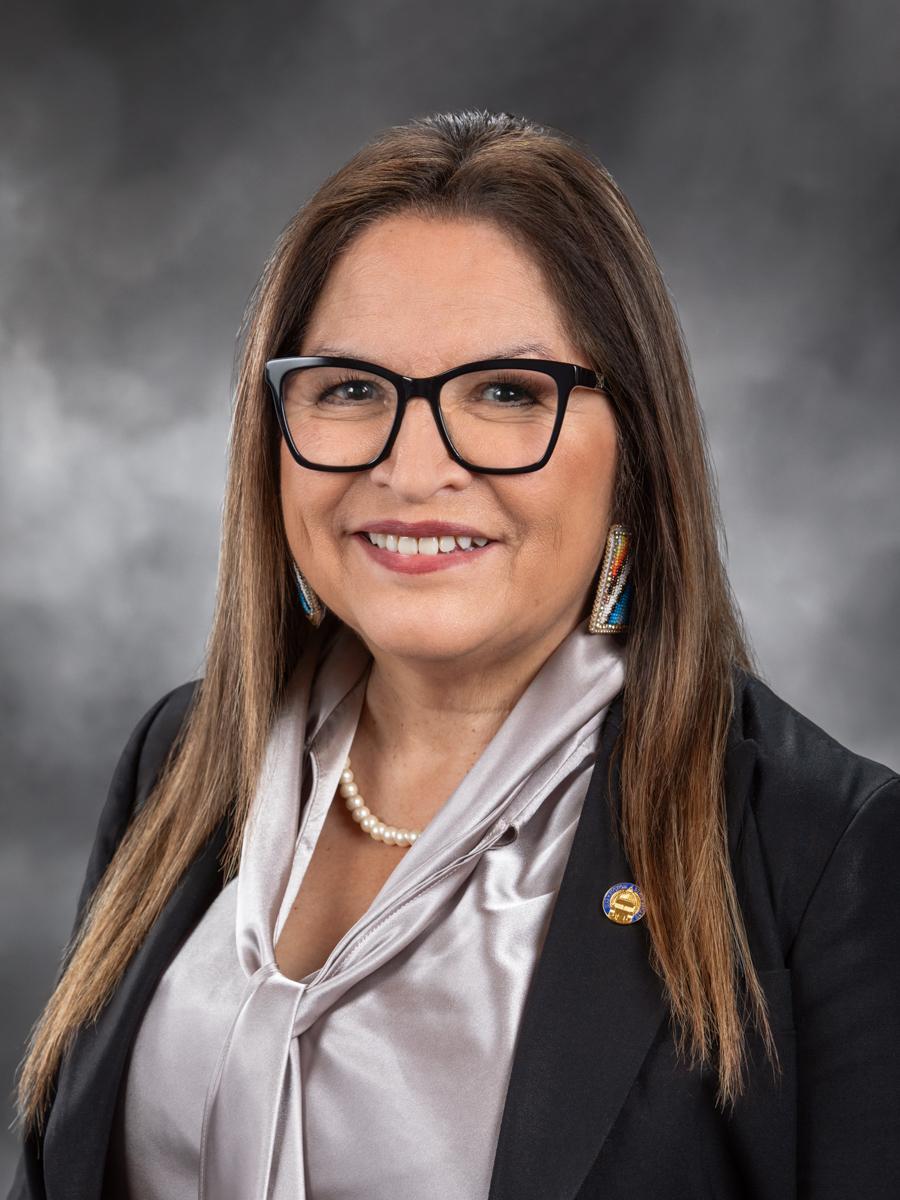
Sen. Claudia Kauffman
Sponsored bills
Maddy summarySB 6346 would impose a new tax on Washington households with annual income of $1 million or more, affecting approximately the top 0.5% of earners. Revenue generated would fund K-12 education, health care, higher education, and human services programs. The tax excludes income from selling family-owned businesses and real estate, while also including reductions to sales taxes on essentials like personal care products and business taxes through credits. This policy aims to shift tax burden toward high earners to support public services, as the bill states Washington’s current system is the second most regressive in the nation.
Maddy summarySB 6034 creates a new cabinet-level office within the governor's administration called the Office of Indian Affairs. This office directly affects federally recognized tribes in Washington, state agencies, and tribal organizations by establishing formal processes for government-to-government collaboration. Key provisions require the office to advise state agencies on tribal relations, mandate training for state leaders on tribal engagement, coordinate annual meetings with tribal nations, and develop accessible training for all state employees. The office must submit annual reports detailing its activities, funding, and progress toward strengthening state-tribal partnerships. It operates independently from state funds, allowing it to accept private gifts for tribal engagement events.
Maddy summarySB 6002 limits how Washington state and local agencies can use automated license plate reader (ALPR) systems, which track vehicle movements. It requires agencies to register ALPR systems with the attorney general and maintain detailed records of all system access (like who used it and why), while prohibiting use for immigration enforcement, in healthcare facilities, schools, or places of worship. Agencies may only use ALPRs for specific purposes, such as checking against stolen vehicle lists, missing persons databases, or parking enforcement. The law aims to balance public safety with privacy by restricting data collection and ensuring transparency in how license plate data is accessed and stored.
Maddy summaryWashington State's SB 6035 requires counties to hold regular meetings with tribal nations to plan voting centers and ballot drop boxes on reservations, ensuring military, overseas, disabled, and tribal voters on reservations have accessible voting options. It mandates annual meetings between the secretary of state and tribal nations to address voting barriers like registration tools and ballot delivery. The bill also establishes a secure electronic ballot return system for those specific voter groups, requiring strict cybersecurity testing and an auditable paper trail, with implementation targeted for 2031. These provisions aim to improve voting access for four distinct groups facing unique logistical challenges.
Maddy summaryThis bill restores Washington's pre-2025 estate tax rates by amending the tax calculation tables in law. It directly affects estates of decedents dying in Washington with taxable assets exceeding $1 million, reversing recent increases implemented in 2025. The key provision replaces current tax brackets with historical rates, such as lowering the tax rate for estates between $2 million and $3 million from 17% to 15% for deaths after July 2026. The change ensures the state's estate tax aligns with rates in effect before July 1, 2025, without altering federal tax relationships.
Maddy summarySB 5863 requires Washington's Division of Archives to create a preservation plan for historical records and artifacts from Lakeland Village, a former state facility for residents with intellectual or developmental disabilities. The plan must catalog at-risk items (like medical records, letters, and photos), assess their condition, outline storage/digitization steps, and include a public access strategy, all due by September 2025. It prohibits destroying these records until 2030 and limits indirect costs for the University of Washington to 15%. The bill directly affects state agencies managing archives, social services, and historical preservation, ensuring these records are preserved and made accessible for future education and research.
Maddy summarySB 6248 establishes a new regulatory framework for travel insurance sold to Washington residents or offered within the state. It defines key terms like "eligible group" (covering organizations such as schools, employers, tour operators, and volunteer groups) and clarifies that the law applies to travel insurance policies, excluding cancellation fee waivers and travel assistance services. The bill requires insurers and brokers to comply with these new standards when selling policies to Washington residents or for groups meeting the defined criteria. This replaces conflicting provisions in existing insurance laws and aims to standardize travel insurance practices within the state.
Maddy summaryThis bill requires Washington law enforcement officers to wear visible identification (like a clearly displayed name) and not cover their faces during routine public interactions. It defines "facial covering" to exclude medical masks, helmets for bicycle safety, and clear face shields, but prohibits items like balaclavas or tactical masks. Exceptions allow face coverings during active undercover operations or when tactical teams use protective gear for safety. Officers who violate this during detentions could face civil lawsuits seeking damages or court-ordered remedies. The law applies to all police officers during public duties, not just emergency situations.
Maddy summarySB 6011 authorizes court of appeals bailiffs in Washington State to conduct threat assessments for judicial officers and court staff. It allows bailiffs to access criminal history records (including non-conviction data) solely to investigate threats against court personnel, as defined by state law. Bailiffs must refer all verified threats to local law enforcement, who will then report outcomes back to the bailiffs. The bill strictly limits the use of criminal history data to threat investigations and requires proper training for bailiffs performing these duties.