

Maddy summarySB 5164 proposes creating a state-funded program to place "postsecondary enrollment specialists" in high schools across Washington, working at a 1:600 ratio with seniors. These specialists will directly assist students - especially those from lower-income backgrounds - with completing financial aid applications (like FAFSA and WASFA), connecting to scholarships, and navigating college enrollment processes. The bill requires school districts to partner with community colleges, tribal organizations, or community groups to hire these specialists and mandates free training for school staff on financial aid. It also requires annual reports tracking how the program increases financial aid completion rates and enrollment, targeting schools with historically low application rates. The bill is currently pending in the Senate Ways & Means Committee.
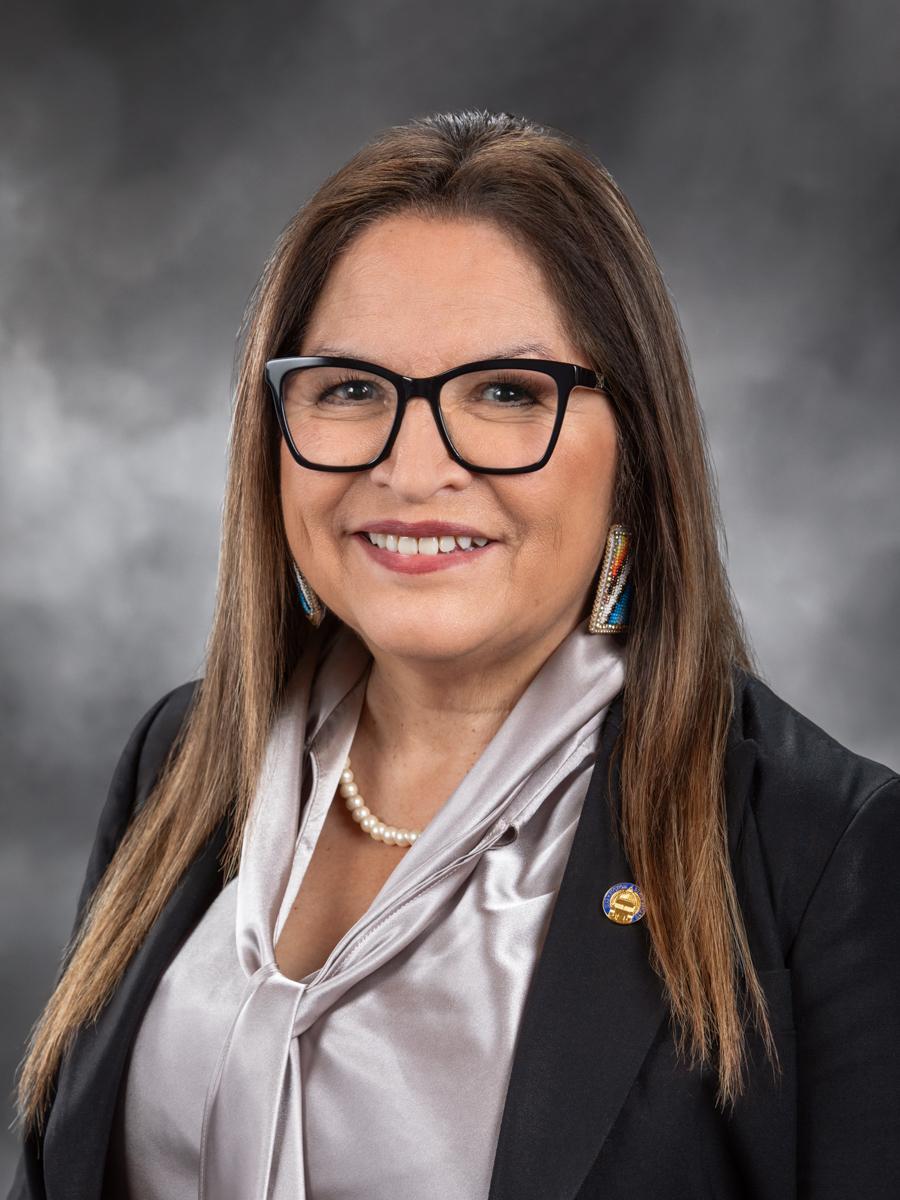
Sen. Claudia Kauffman
Sponsored bills
Maddy summarySB 5524 creates a new "Donate Life" special license plate option for Washington vehicle owners. The bill adds this plate to the state's existing special plate program, requiring a $40 initial fee and $30 annual renewal fee. Vehicle owners who choose this plate will display a "Donate Life" logo, with fees supporting related causes as specified in the plate description. This is a procedural change that expands the current list of special license plate options without altering registration requirements or creating new administrative processes.
Maddy summarySB 5318 requires fingerprint-based background checks for individuals seeking certain jobs involving unsupervised access to vulnerable adults, children, or juveniles in Washington state. It affects long-term care workers, child placement providers, residential facility staff, and others in roles covered by specific state agencies (like DHS and DCS), particularly when applicants have lived in Washington less than three consecutive years. The bill mandates submitting fingerprints to both the Washington State Patrol and FBI for background checks to verify character and suitability for these positions.
Maddy summarySB 5301 allows cities and tribal governments in Washington to voluntarily contract for city-provided services (like water, sewer, or roads) on tribal lands that are developing as urban areas, beyond the city's current boundaries. It amends the Growth Management Act to clarify that tribal lands within county planning areas can be included in urban growth planning when tribes choose to participate. The bill creates a legal framework for these agreements while requiring tribes to voluntarily engage in the planning process. It directly affects tribal governments and cities seeking to provide services on tribal lands with urban development. The change is procedural, enabling existing planning laws to accommodate tribal lands without altering service requirements.
Maddy summarySB 5715 retroactively removes sentencing points from certain juvenile convictions that were previously counted toward adult prison sentences. It allows eligible incarcerated individuals (who had juvenile convictions counted in their sentence before July 2023) to petition for resentencing if they meet specific time-served thresholds (e.g., 50% served by 2027 or 15 years served). The bill requires courts to grant resentencing hearings unless the person has serious disciplinary records, lacks rehabilitation evidence, or poses a high risk of reoffending, while ensuring victims can provide input. It also guarantees free legal counsel for eligible petitioners and sets a minimum six-month release wait after resentencing. This applies only to people currently incarcerated with sentences ending on or after July 2026.
Maddy summarySB 5771 adds a new $300 annual tax credit for low-income renters in Washington who paid rent for their primary residence (including mobile home lots) for at least 183 days during the year. This credit directly affects eligible individuals who already qualify for the existing Working Families Tax Credit but also face property taxes included in their rent. The credit is calculated based on rental duration (183+ days), adjusted for inflation starting in 2027, and reduces at specific income levels as outlined in the bill. It expands the existing credit program to specifically address the financial impact of property taxes embedded in rental costs.
Maddy summarySenate Bill 5589 directs the Washington Office of the Insurance Commissioner (OIC) to conduct a comprehensive study on how personal insurance rates are determined. The study will examine insurers' use of credit history, credit-based insurance scores, and other rate factors that may disproportionately affect Washington residents based on race, ethnicity, sex, socioeconomic status, or national origin. The OIC will collect information from insurers and contract with actuaries and consultants to analyze these practices. It will also identify and analyze alternative rate factors that do not rely on credit history or disparately impact residents. The OIC is required to submit preliminary and final reports to the legislature with findings, policy options, and recommendations on the use of these factors for personal insurance.
Maddy summarySB 5770 creates a new state property tax exemption for Washington homeowners' primary residences, reducing taxes on a portion of their home's value. The exemption equals the greater of $100,000 or 60% of the county's median home value (updated annually), applied to state taxes only (not local taxes). Homeowners must apply yearly by April 1st with proof of residency and personal information like Social Security numbers, and it applies to all primary homes including community land trusts and cooperatives. The bill aims to prevent displacement and help middle- and fixed-income families maintain housing stability by making home ownership more affordable. This policy change directly affects homeowners who qualify as primary residents, with the exemption taking effect for taxes levied in 2028 and later.
Maddy summarySB 5521 establishes a grant program to fund nonpunitive solutions for low-income drivers facing nonmoving traffic violations (like expired registration or paperwork issues). It directs the state department to award grants to cities, tribes, nonprofits, and others for programs such as helmet vouchers, registration fee offsets, or community workshops. The bill also creates new rules for traffic stops, requiring officers to report detailed data (including race and ethnicity) and limiting stops for nonmoving violations to secondary offenses unless safety risks exist. It directly affects low-income road users (defined as those on public assistance, WIC, Medicaid, or earning under 125% of the federal poverty level) and law enforcement agencies. The policy aims to reduce racial disparities in traffic stops while helping vulnerable drivers avoid fines that disrupt work and economic stability.
Maddy summarySB 5264 modifies tax compacts between Washington State and federally recognized tribes by increasing revenue-sharing percentages for tribes that complete qualified capital investments. It directly affects tribes with existing compacts, requiring the state to pay them 100% of state sales/use tax revenue above a $500,000 annual cap (instead of 25%) on transactions not meeting "new development" requirements, starting in the fourth year after the compact's effective date. The bill also establishes processes for verifying capital investments, resolving disputes, and maintaining confidentiality of tax records. This change aims to incentivize tribal infrastructure projects while clarifying revenue distribution terms under current compacts.