

Maddy summaryHB 1751 exempts required course materials (like textbooks and digital resources) from Washington state sales and use taxes for students enrolled at public colleges and universities. It requires students to show valid enrollment proof at approved vendors (campus bookstores or institution-designated online sellers) to qualify for the exemption. Public institutions must inform students about this tax break via their websites and course syllabi. The bill directly affects all students at Washington’s public higher education institutions by reducing out-of-pocket costs for essential learning materials, which the legislature notes are increasingly unaffordable (65% of students skip buying textbooks due to cost).
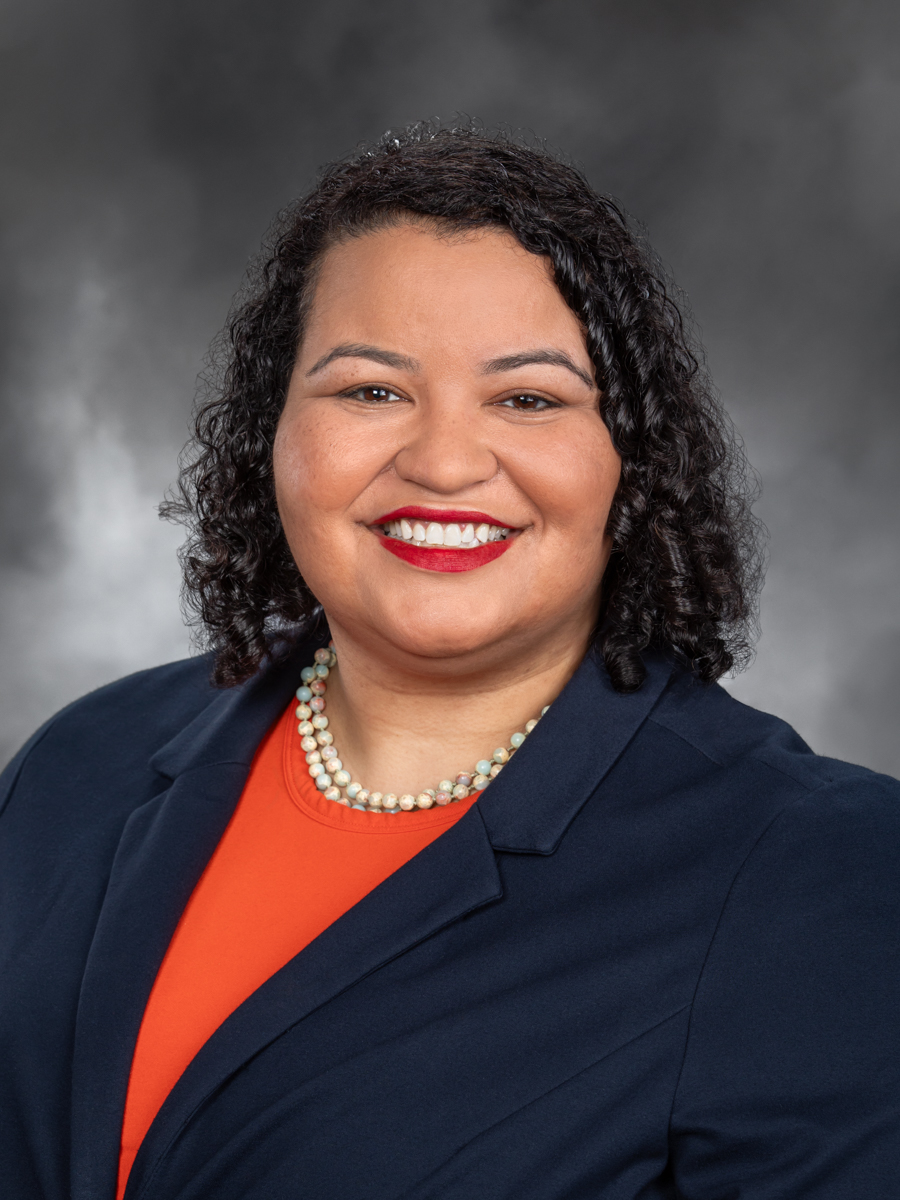
Rep. Julia Reed
Sponsored bills
Maddy summaryHB 1306 creates two pathways for international medical graduates (IMGs) to obtain full medical licenses in Washington without completing standard U.S. postgraduate training. The primary pathway requires 48 months of supervised clinical practice under a licensed physician, followed by assessments and documentation to demonstrate competence. A hardship pathway also allows waivers for specific situations like refugee status or persecution, though it excludes failures in standard exams. The bill directly affects IMGs seeking to practice in Washington, modifying existing licensing rules to accommodate their credentials. It does not change requirements for U.S.-trained physicians but provides alternative routes for qualified IMGs.
Maddy summaryHB 1808 creates a state-funded revolving loan program to support permanently affordable homeownership for low-income households. The program provides loans (up to 50% of project costs) to nonprofit developers building housing that remains affordable for at least 99 years through long-term restrictions on resale and ownership. Loans carry interest rates between 1% and 2.5%, with repayments recycled into the fund to finance new projects. This directly affects low-income homebuyers (defined as households earning ≤80% of local median income) and nonprofit developers who build housing meeting specific affordability standards.
Maddy summaryHB 1503 aims to further digital equity and opportunity for all residents in Washington state, particularly focusing on underserved populations. The bill intends to broaden access to the internet, appropriate devices, and digital skills by expanding state assistance and support programs. It clarifies the collaboration between the Department of Commerce, responsible for broadband infrastructure, and the Office of Equity, which focuses on providing digital devices and services to individuals. Additionally, the bill updates definitions for terms like "broadband," "digital equity," and "low-income" households to enhance these efforts.
Maddy summaryHB 1040 allows people eligible for Washington’s property tax exemption programs (for seniors or disabled residents) to exclude up to $6,000 annually in rental income from their primary residence when calculating income eligibility for the exemption. This applies only to long-term rentals (not short-term rentals like Airbnb, which must still be reported as taxable income). The bill amends existing tax code to include rental income as part of "combined disposable income" calculations, adjusting how income thresholds are applied. It directly affects low-income homeowners in qualifying exemption programs who rent out space in their primary home.
Maddy summaryHB 1412 establishes the Washington State Commission on Middle Eastern and North African Americans to address systemic gaps affecting this community. The commission will focus on improving data collection about MENA populations and advising state agencies and the legislature on policies impacting their needs, such as healthcare access, housing, and education. It requires the governor to appoint 12 diverse members with balanced representation across ethnicities, geography, gender, age, and occupations, serving staggered terms. The commission’s primary duties include developing consistent data collection methods, recommending policy changes, and coordinating community recognition events, while explicitly avoiding overemphasis on religion or international policies.
Maddy summaryHB 1561 extends key labor protections to domestic workers in Washington state, including nannies, house cleaners, home care workers, and household managers. The bill requires employers to pay the state minimum wage, provide overtime pay for hours over 40 per week, mandate 30-minute meal breaks after 2-5 hours of work, and guarantee 10-minute rest breaks every four hours. It also mandates written employment agreements in understandable language covering pay, schedule, and benefits, while prohibiting waivers of legal rights or forced arbitration clauses. The law explicitly excludes casual babysitters, family members, and workers in certain home-sitting roles from coverage.
Maddy summaryHB 1449 legalizes home cultivation of cannabis for Washington residents aged 21 and older. The bill allows individuals to grow up to six cannabis plants per household (with a maximum of 15 plants total per residence) and possess cannabis products within state-set limits, including up to 1/2 ounce of useable cannabis. It prohibits visible cultivation from public view or neighboring properties and restricts non-commercial sharing to no more than 1/2 ounce per 24 hours among adults 21+. The law does not apply to minors, commercial activity, or public consumption.
Maddy summaryHB 1560 imposes a 7.5% tax on the portion of annual compensation exceeding 10 times the state's average wage for the five highest-paid hospital employees without direct patient care, plus the hospital's lead administrator if not included. It directly affects nonprofit hospitals in Washington that pay certain executives excessive compensation, as defined by the bill. The tax revenue will fund programs to improve healthcare access, particularly for vulnerable populations and reproductive care. The tax applies to compensation reported under state health reporting rules, beginning in 2027 for the 2026 tax year.
Maddy summaryHB 1944 updates Washington state law for water-sewer districts selling surplus property. It raises the personal property threshold requiring public notice from $2,500 to $5,400, meaning smaller sales no longer need formal notice. For real property over $7,500, districts must use a recent appraisal or broker opinion to set a minimum sale price of 90% of appraised value, with a 120-day effort to sell at that price before allowing public auction at the highest bid. This affects all Washington water-sewer districts managing surplus assets.