

Maddy summaryHB 1950 requires contractors or subcontractors who violate payment rules (RCW 39.04.250) to cover specific costs for certified minority- and women-owned subcontractors on public works projects. If a certified subcontractor cannot make timely employer contributions to a Taft-Hartley trust due to delayed payments, the responsible contractor must indemnify them for any associated fees or penalties. This applies only to public works contracts entered or renewed after the bill's effective date, targeting financial penalties related to pension/fund contributions, not general late payment expenses.
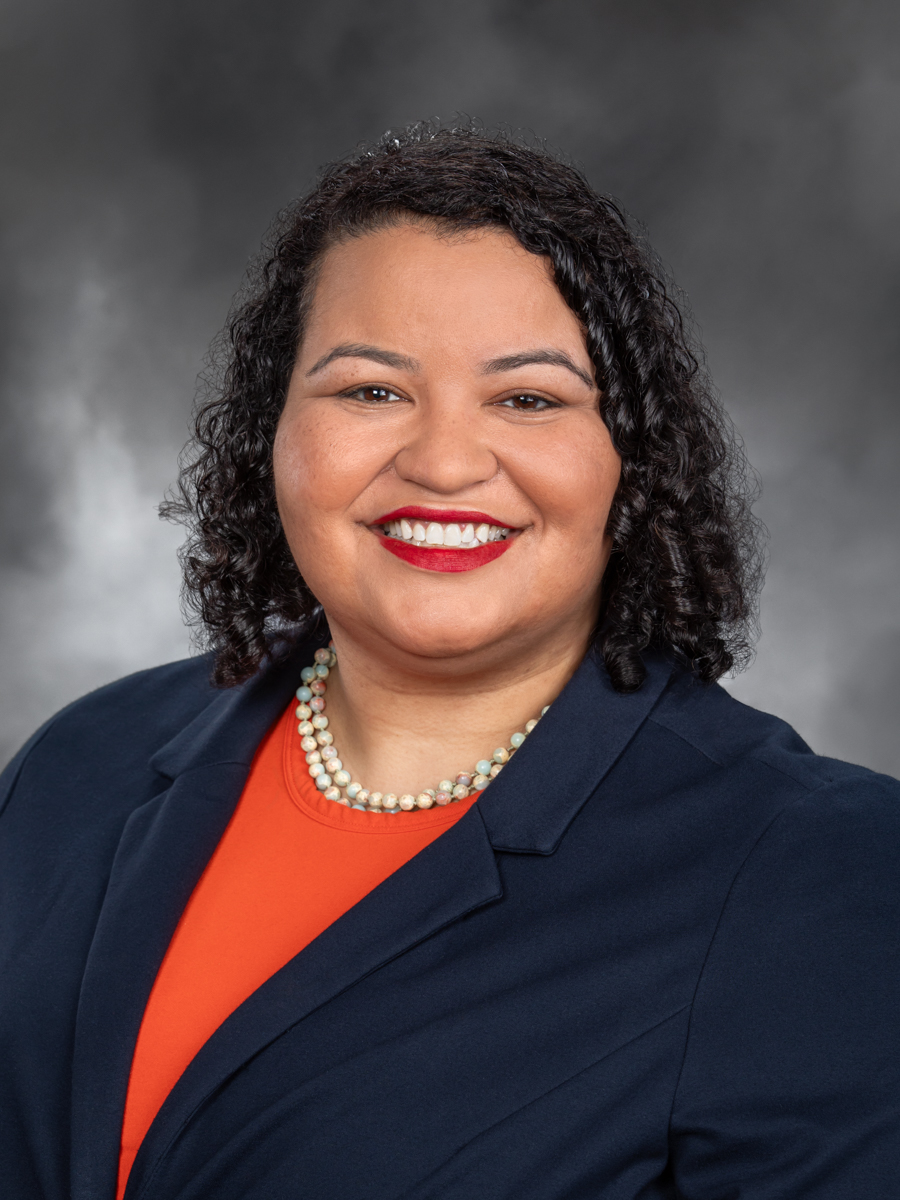
Rep. Julia Reed
Sponsored bills
Maddy summaryThis bill requires all cities and towns in Washington to allow child care centers (including converting existing buildings) as an outright permitted use in every zoning area except industrial zones, without needing special approval. It permits local governments to impose minor restrictions on permits, such as designated pickup/drop-off areas. Cities required to update comprehensive plans in 2027 must incorporate these rules by then, while all other cities must implement them within two years of the law taking effect. The policy directly affects child care providers seeking locations and local governments managing zoning regulations.
Maddy summaryHB 1940 removes Washington's requirement that cannabis business owners must be state residents, which has limited investment options for social equity applicants. It creates a temporary tax exemption from the business and occupations tax for social equity cannabis businesses during their startup phase to help overcome funding barriers. The bill amends licensing laws (RCW 69.50.325 and 69.50.331) to eliminate residency restrictions and support low-income and minority entrepreneurs in accessing capital. These changes aim to align Washington's cannabis industry with national market competition and address inequities in business ownership.
Maddy summaryHB 1517 imposes a $2 tax on the retail sale of smart wireless devices (like smartphones, tablets, and laptops) priced over $250. The revenue collected will fund Washington's digital equity programs, specifically targeting underserved communities. This includes improving internet access, providing devices, and offering digital skills training for rural residents, seniors, veterans, low-income households, and others facing connectivity barriers. The tax applies to sellers who collect it from buyers at the point of sale, with funds deposited into a dedicated state digital equity account. The bill aims to address systemic gaps in digital access identified through legislative findings.
Maddy summaryHB 1280 amends Washington's school funding formula to require a 23:1 student-to-teacher ratio for career and technical education (CTE) programs in middle and high schools. This specifically affects sixth-grade students in middle school CTE programs by establishing a funding standard for class sizes. School districts receiving state basic education funds must allocate resources to maintain this ratio for CTE instruction. The bill modifies existing funding rules under RCW 28A.150.260 to include CTE class size requirements in the allocation formula. It does not mandate new CTE programs but sets parameters for funding existing or expanded middle school CTE offerings.
Maddy summaryHB 1502 establishes a new "behavioral health teaching clinic" designation for licensed or certified behavioral health agencies that train interns and new graduates in mental health and substance use care. To qualify, agencies must meet specific standards, including providing clinical supervision, equitable access to services, and formal partnerships with educational institutions. Designated clinics will receive an enhanced reimbursement rate to offset the costs of training (currently unpaid), helping them retain staff and address workforce shortages. This policy directly affects community behavioral health agencies serving Medicaid patients, which face high turnover due to low reimbursement rates and competition from other healthcare settings.
Maddy summaryHB 1657 establishes the "Washington 13 Free Guarantee," providing eligible Washington residents up to 45 tuition-free credits at state technical colleges beginning in 2027-28. It directly affects high school graduates from Washington state (or those earning equivalency in the same or prior year) without an associate's degree who qualify for financial aid. The program covers the tuition difference after applying existing gift aid (like Pell Grants or state scholarships), requiring students to enroll part-time in eligible programs and maintain academic progress. Technical colleges must also assign staff to support participants with wraparound services to help them complete their programs.
Maddy summaryHB 1985 allows cities and counties in Washington to create local animal services districts to provide sheltering, veterinary care, pet licensing, and enforcement of animal welfare laws. To establish a district, voters must approve it through a ballot measure, either via local government resolution or a petition signed by 15% of residents in the proposed area. If approved, the district becomes a local government entity governed by an elected board or appointed representatives from cities/counties, with borrowing limited to 0.25% of taxable property value. This directly affects residents in areas where districts are formed, as they would fund services through property taxes.
Maddy summaryHB 1630 requires dairy farms and certified feed lots in Washington State to annually report their methane emissions starting January 1st following rule adoption. It directly affects licensed dairies (under chapter 15.36 RCW) and certified feed lots by mandating they submit annual reports detailing total methane emissions from the previous year. The bill allows initial reports to use a three-month average for estimation and directs the department to establish reporting rules and schedules. This legislation aims to fill a data gap in understanding livestock methane contributions to greenhouse gas emissions, without setting emission limits or requiring reductions.
Maddy summaryHB 2045 creates a new 1% tax on businesses with over $250 million in annual revenue in Washington starting January 2026, targeting large corporations. It also increases the tax rate for financial institutions from 1.2% to 1.9% after July 2025. The bill exempts manufacturers, farmers, and certain income types from the new tax. These changes aim to fund K-12 education, public safety, health care, and basic needs programs, as stated in the legislative findings.