

Maddy summaryHB 2024 creates a state property tax exemption for Washington homeowners' primary residences, reducing their state tax burden. It exempts either $100,000 of a home's assessed value or 60% of the county's median home value (whichever is greater), applied after other existing exemptions. This directly benefits primary residence owners - especially fixed-income households and those at risk of displacement - by lowering annual state property tax costs. The exemption applies only to state levies (not local taxes) and requires an annual application by April 1st, with verification to ensure it applies to only one residence.
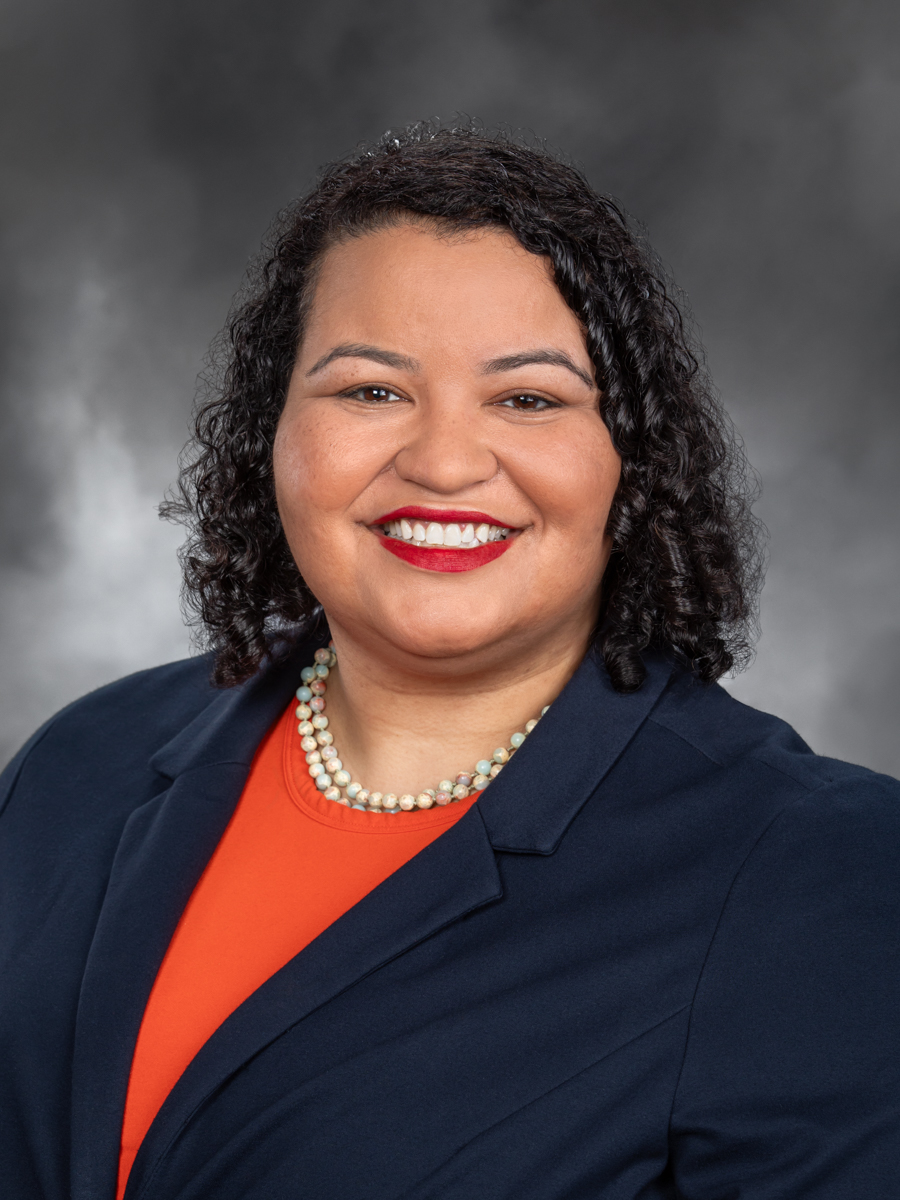
Rep. Julia Reed
Sponsored bills
Maddy summaryHB 1299 reduces minimum parking requirements for new developments across Washington. It caps residential parking at 0.5 spaces per unit (for cities) or 1 space per unit (for code cities), and commercial parking at one space per 1,000 square feet. The bill exempts small buildings (under 1,200 sq ft residential or 5,000 sq ft commercial), affordable/senior/disabled housing, childcare, alcohol facilities, and mixed-use projects from minimum parking rules. It also allows cities to waive parking requirements for transit-accessible housing (within 1/4 mile of frequent transit) and requires local governments to assess actual parking needs case-by-case. The law directly affects developers and local governments by shifting parking mandates from rigid rules to flexible, location-based decisions.
Maddy summaryHB 1550 requires electric vehicle (EV) battery manufacturers and sellers in Washington to cover the cost of responsibly managing batteries when they reach the end of their life in vehicles. It directly affects EV manufacturers, dealers, and battery providers who sell new propulsion batteries in the state. The bill establishes a system prioritizing reuse (like repurposing for energy storage), repair, or remanufacturing before recycling, and mandates that battery providers fund recycling programs through a new state framework. This updates Washington’s existing battery management rules to specifically address EV batteries, which were previously excluded from producer responsibility requirements.
Maddy summaryHB 1740 expands Washington's Office of Independent Investigations to include prosecuting criminal cases related to officer use of force, directly affecting victims of such incidents and county prosecutors. The bill grants the office concurrent authority with county prosecutors to investigate and prosecute use-of-force cases and related offenses, while requiring the independent prosecutor to meet strict appointment criteria (including background checks for bias) and keep victims informed of case progress. It mandates public reporting when charges are declined for fatal use-of-force cases and clarifies cost responsibilities (the office covers its prosecution costs but not defense costs). The independent prosecutor, appointed by the director, holds final authority over charging decisions and case management within the office's jurisdiction.
Maddy summaryHB 1266 establishes the Washington State Commission on Boys and Men within the governor's office to address issues affecting boys and men across six focus areas: mental/physical health, education, careers, fatherhood, the preschool-to-prison pipeline, and court system experiences. The commission, composed of 11 appointed non-legislative members (with diverse representation requirements) and 4 legislative advisory members, will monitor legislation, coordinate with other commissions (like the women's and LGBTQ commissions), gather data, and submit biennial reports to the legislature and governor. Its key duties include identifying needs, advising state agencies on policies affecting boys and men, holding public hearings, and advocating for removing barriers they face. This is a structural commission creation bill, not a policy change, with no direct fiscal impact detailed in the provided text.
Maddy summaryHB 1714 allows small businesses with 20 or fewer employees to form joint self-insurance programs for property damage and liability claims, pooling resources to cover risks traditionally managed through commercial insurance. It requires state approval for all such programs, mandates reporting to the state risk manager, and designates the state risk manager as the legal representative for all lawsuits against the program. Participants must establish reserve funds and comply with specific operational standards, while excluding businesses already self-insuring or part of other regulated risk pools. This bill creates a new regulatory framework for small business risk pooling under Washington state law.
Maddy summaryHB 1211 would require clergy, including ministers, priests, rabbis, imams, and other religious leaders, to report suspected child abuse and neglect in Washington state. This bill amends the state's child abuse reporting law (RCW 26.44.020 and 26.44.030) to remove a previous exemption for clergy, making them mandated reporters under the same standards as other professionals. The key change broadens the definition of "member of the clergy" to include diverse religious leaders and integrates them into the reporting framework. This directly affects religious leaders who interact with children in Washington, requiring them to report suspicions of abuse or neglect to child protective services.
Maddy summaryHB 1116 designates the first Tuesday after the first Monday in November as "Election Day" for symbolic recognition in Washington State. The bill adds this date to the list of recognized observances under state law (RCW 1.16.050), alongside days like Juneteenth and Martin Luther King Jr. Day. It does not create a paid holiday or change voting procedures - it is purely a symbolic gesture to honor elections. The recognition applies to state government actions and communications, not to voting rights or election administration. This bill is procedural and non-binding, focusing on awareness rather than policy change.
Maddy summaryHB 1513 establishes specific protections for Washington's Seashore Conservation Area, which includes state-owned coastal lands between Cape Disappointment and Leadbetter Point, and other defined zones. The bill mandates that 40% of beach areas under recreation management plans must be reserved for pedestrian use year-round, with motorized vehicle access restricted from April 15 to Labor Day. It also requires special pedestrian-only zones near salmon-bearing streams during spawning season, after consultation with wildlife officials. Local governments may adopt stricter rules, and management plans must consider factors like public safety, habitat protection, and economic impacts. The bill directly affects state parks management, local communities, and beach users through these access and conservation requirements.
Maddy summaryHB 1772 establishes "shared streets" in Washington state, where pedestrians, cyclists, and vehicles share the same roadway space. Local governments can designate nonarterial streets as shared streets using official traffic signs, requiring vehicles to yield to pedestrians and cyclists while cyclists must yield to pedestrians. The bill also allows local authorities to set a 10 mph speed limit specifically on designated shared streets without needing an engineering study. This directly affects local governments (which can designate these streets), pedestrians, cyclists, micromobility device users (like e-scooters), and drivers navigating these shared spaces.