

Maddy summaryHB 1569 requires Washington state to include tax exemptions and preferences in the regular biennial budget process, ending their automatic continuation without legislative review. The bill mandates that all tax exemptions without expiration dates must be reviewed, assigned performance measures, and reauthorized every two years or expire, with a maximum 10-year term for new exemptions. It also requires the Department of Revenue to estimate the annual revenue impact of each exemption and include these details in the budget. This affects all taxpayers by ensuring tax preferences are transparently evaluated for their revenue impact, rather than reducing state funds for services like education without oversight.
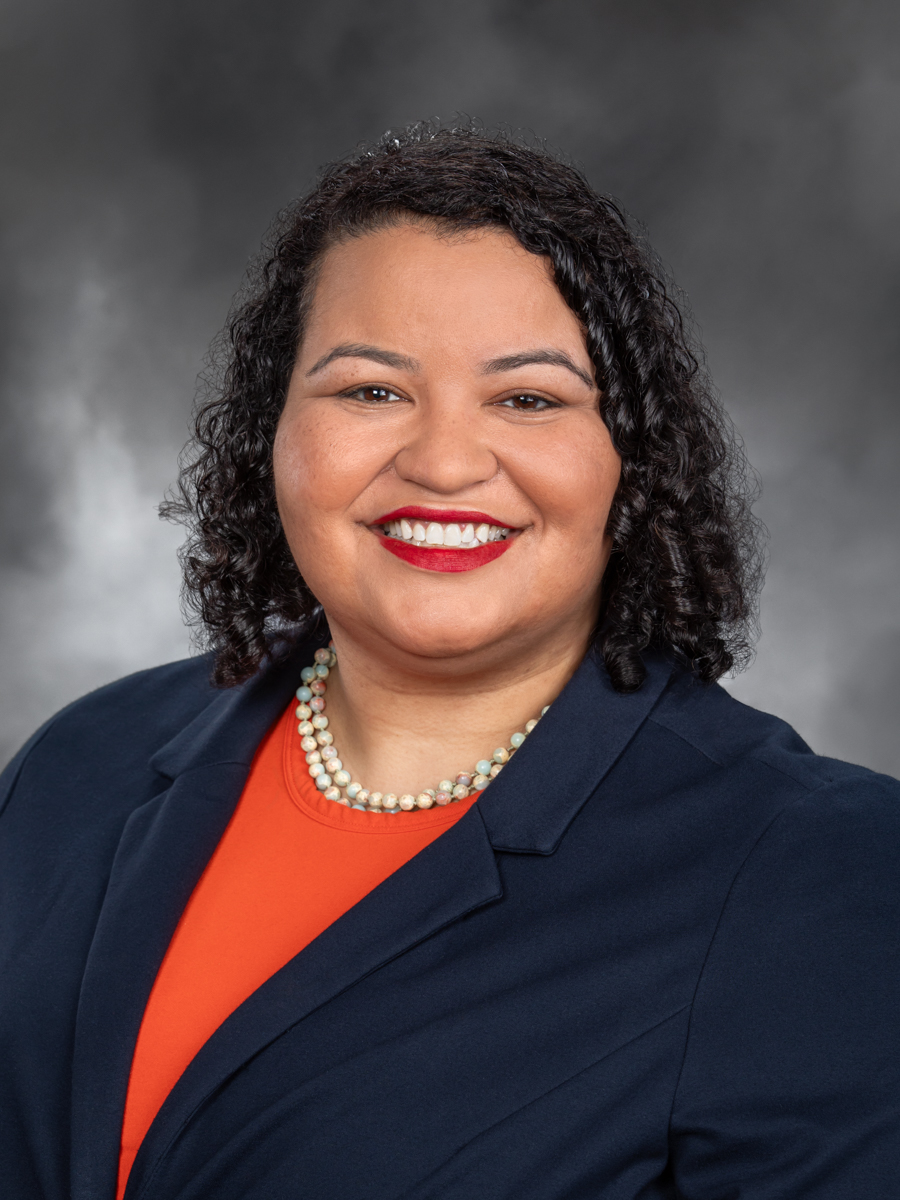
Rep. Julia Reed
Sponsored bills
Maddy summaryHB 1022 creates a pilot program providing no-interest down payment and closing cost loans (up to $25,000) to essential workers in Washington state who meet income limits. It directly affects firefighters, nurses, police officers, emergency medical technicians, mental health professionals, social workers, child care providers, and veterans with household income below 100% of the state median. Loans require no repayment until the home is sold, rented, or refinanced, and the program is capped at $15 million in funding through June 2027. The bill mandates reporting on program outcomes to the legislature by 2026 and 2027.
Maddy summaryHB 1762 prohibits Washington state's public colleges and universities from requiring students to live in on-campus housing or university residence halls. This bill directly affects public higher education institutions (like the University of Washington or community colleges) and their students. The key provision adds a new legal restriction to state law, making it illegal for these public schools to mandate residential living as a condition of enrollment. The bill focuses solely on eliminating this requirement, without changing other housing policies or financial aspects.
Maddy summaryHB 1693 exempts WIC (Women, Infants, and Children) program staff from standard medical licensing requirements to perform specific blood tests. The bill allows WIC clinic staff to conduct hematological screening tests using heel-stick, toe-stick, or finger-stick methods directly at clinics. This change enables WIC staff to quickly screen for conditions like anemia in infants and mothers without needing separate medical licenses, streamlining access to routine health evaluations. The exemption applies only to these limited, non-invasive tests within the WIC program's scope.
Maddy summaryThis bill requires Washington's health authority to pay home health agencies for complex medical care provided by family caregivers to children under 18 with significant medical needs. It mandates that caregivers (parents, guardians, or close family) complete 75 hours of training from an accredited agency, receive care supervision from a registered nurse, and work for a licensed home health agency. The program, effective September 2026, limits eligibility to the child's income only (not household income), prohibits caregivers from repaying training costs, and requires a 2029 report on the program's effectiveness. It covers specific medical tasks like medication administration, tracheostomy care, and feeding support provided under nursing supervision.
Maddy summaryHB 1458 requires large new construction, additions, and renovations (50,000+ square feet) to reduce embodied carbon emissions from building materials. It offers three compliance paths: reusing 45% of existing structures, demonstrating a 90% reduction in emissions for covered materials, or conducting a whole-building life-cycle assessment. Projects must report data through a public database managed by the Department of Commerce, including material choices and compliance methods. The law applies to all covered projects under the International Building Code and mandates verification by licensed design professionals.
Maddy summaryHB 1125 allows judges to modify lengthy prison sentences in Washington state when a person's original sentence no longer serves justice. It directly affects incarcerated individuals who meet specific criteria, such as having served 7+ years for an offense committed as a juvenile (starting July 2026), 10+ years for offenses committed as young adults (starting July 2031), or having a terminal illness. The bill requires petitioners to show rehabilitation or low recidivism risk, and courts may only reduce sentences (not increase them), must maintain mandatory minimums, and mandate a 6-month minimum wait after a hearing before release. The law also requires new sentences to include five years of community supervision.
Maddy summaryHB 1860 creates a new state program to fund infrastructure projects that improve supply chain efficiency for Washington's ports and tribal governments with port operations. It establishes a dedicated account in the state treasury to provide grants and loans for projects like upgrading transportation facilities, warehouses, and maritime infrastructure. The program requires projects to align with specific goals, including supporting agricultural and industrial product movement, reducing community impacts from freight traffic, and enhancing international trade connections. Funding will be administered by the Department of Commerce in collaboration with port authorities and other stakeholders, with projects needing to be included in existing port freight development plans.
Maddy summaryHB 1951 caps fares for transportation network companies (like Uber or Lyft) during large-scale events, limiting charges to 120% of the driver's pay for prearranged rides. It directly affects passengers using these services at events defined as gatherings of 1,000+ people indoors or 10,000+ people outdoors with defined entrances/exits (excluding school or religious events). The bill requires companies to provide fare estimates before rides and prohibits excessive pricing during events, with "driver's pay" defined as base compensation excluding tolls or tips. This policy aims to prevent price gouging during high-demand gatherings while maintaining existing state preemption over local regulations for transportation network companies.
Maddy summaryHB 1401 creates a new "Nautical Northwest" special license plate option for Washington state vehicle owners. The bill adds this plate to the existing list of special plates, with a $40 initial fee and $30 annual renewal fee, as specified in RCW 46.68.420. The plate would display a Northwest maritime scene, allowing vehicle owners to choose it instead of standard plates. This is a procedural change adding a new voluntary license plate option, not a new tax or regulation.