

Maddy summaryHB 1063 creates a new licensing and regulatory framework for businesses that offer "earned wage access services" in Washington State. These services allow workers to receive advance payments of wages they’ve already earned but haven’t been paid by their employer (e.g., via apps or employer partnerships). Starting July 1, 2026, providers must obtain a license from the Department of Financial Institutions, undergo background checks for key personnel, and comply with specific fee and reporting rules. The law directly affects businesses offering these services and protects consumers by requiring transparency and oversight, while excluding traditional banks, credit unions, and payroll services. It does not apply to employers who directly pay employees early or to services that merely verify earnings without funding advances.
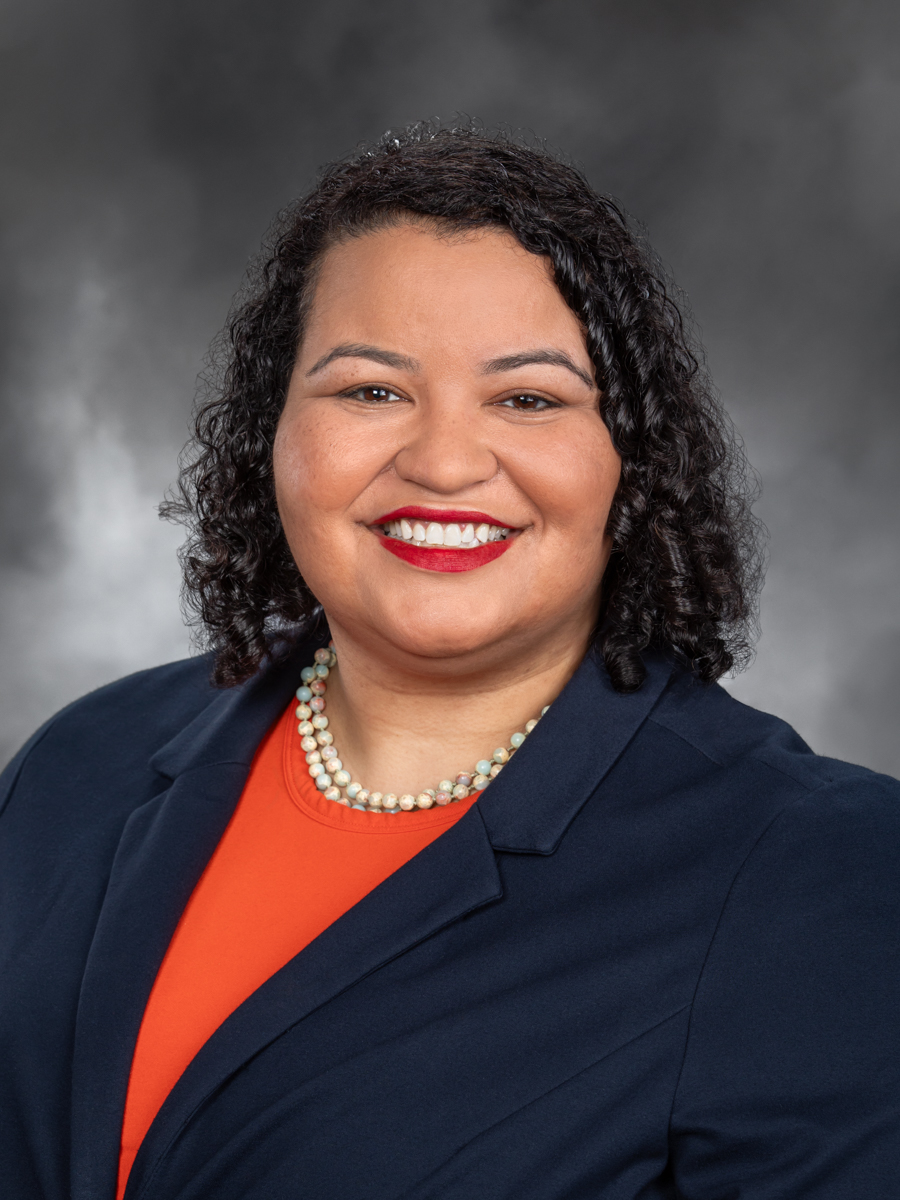
Rep. Julia Reed
Sponsored bills
Maddy summaryHB 1805 proposes a local 0.01% sales and use tax in Washington counties to fund additional services for children and families. The tax would generate revenue specifically for mental health support, early intervention programs, child care, school-based health services, shelter, rental assistance, and transportation. Counties could implement this tax via resolution or ordinance, with funds restricted to the listed services that address gaps in current Medicaid and behavioral health programs. The bill aims to support children and families early to improve well-being and reduce long-term needs like youth violence and substance use.
Maddy summaryThis bill requires Washington healthcare providers to inform patients about available pain control options before scheduling or during appointments for intrauterine device (IUD) placement or removal. It directly affects patients seeking IUDs - particularly those who have never given birth, who often experience more pain - and healthcare providers who perform these procedures. The key provision mandates that providers notify patients about pain management choices (beyond just over-the-counter medications) at the time of scheduling, aligning with updated CDC guidelines. The bill does not change medical practices but ensures patients receive clear information about pain control options before the procedure. It is pending review in the Health Care & Wellness committee.
Maddy summaryHB 1777 streamlines the state approval process for apprenticeship programs that already have federal approval, directly affecting program sponsors (including tribal and nontribal organizations) and employers seeking to expand training opportunities. It requires the apprenticeship council to expedite reviews of federally-approved programs by limiting state-specific scrutiny to unique requirements, while reforming competitor objections: objections must be filed within 30 days of provisional approval, and frivolous objections can trigger penalties like attorney fee payments or $10,000 fines. The bill also mandates annual reports comparing Washington’s program approval rates to federal standards and other states, including details on pending applications and denial reasons. These changes aim to reduce current delays - where 4 of 17 2024 applications remained pending after federal approval - without altering apprenticeship content or creating new training slots.
Maddy summaryHB 1838 expands Washington's college grant program to cover students enrolled in certificate programs for high-demand fields, directly affecting Washington residents pursuing these shorter-term credentials. The bill amends eligibility rules to include certificate programs (determined by the state office) alongside traditional college degrees and apprenticeships, while maintaining existing financial need requirements. Key provisions require students to demonstrate financial need, be state residents, and enroll in approved high-demand fields to qualify for the grant. This change aims to increase access to workforce training for in-demand occupations without altering the grant's core funding structure or application process.
Maddy summaryHB 1986 would impose a new 5.9% tax on motor vehicle sales to businesses that use the vehicles for retail car rentals, directly affecting car rental companies purchasing vehicles for their fleets. This tax applies specifically to vehicles bought for rental operations (not individual car sales) and must be paid by the rental company at the time of purchase. Revenue from this tax will fund the state’s multimodal transportation account. The bill amends existing tax law to create this targeted tax, with the rate applying to sales occurring on or after October 1, 2025.
Maddy summaryHB 1199 strengthens consumer protections by increasing penalties for insurance companies that violate Washington's insurance code. It amends statutes to allow the Insurance Commissioner to impose fines of $250-$10,000 per violation (up from $250), require insurers to pay restitution with 8% interest within 30 days, and issue cease-and-desist orders. The bill directly affects insurers found liable for code violations, mandating financial accountability for harms caused to policyholders. Key provisions include streamlined restitution orders for funds owed to consumers and automatic certificate revocation for unpaid fines.
Maddy summaryHB 1072 requires Washington's Department of Health to review health care mergers, acquisitions, or joint ventures that could affect access to reproductive, end-of-life, or gender-affirming care. Health care entities must submit applications 60 days before such transactions, detailing how access to these services will be maintained or improved in affected communities. The Department of Health can approve transactions, approve them with conditions, or deny them based on their impact on protected services. This law aims to prevent disruptions to critical care types while requiring transparency in transaction planning.
Maddy summaryHB 1093 amends Washington state law to require medical assistance plans (Medicaid) to cover massage therapy as a "related service" under existing coverage for physical and occupational therapy. This change directly affects Medicaid beneficiaries who need massage therapy for medical conditions, such as chronic pain or injury rehabilitation. The bill updates RCW 74.09.520 to explicitly include massage therapy within covered services, aligning it with other therapeutic treatments. Coverage remains subject to available funding, as specified in other sections of the bill.
Maddy summaryHB 1499 eliminates enforcement of certain court-imposed costs, fees, and interest on legal financial obligations for people convicted of crimes. It automatically nullifies these debts after the effective date, prohibits courts from accepting payments for them, and creates a new process for courts to waive uncollectible portions upon offender request. The bill specifically excludes restitution from these changes but allows clerks to seek judicial orders waiving costs, fees, and accrued interest. This applies to existing debts eliminated by the law, directly affecting individuals with outstanding criminal justice-related financial obligations.