

Maddy summaryHB 1598 establishes rules for community solar programs in Washington to ensure equitable access to clean energy. It requires community solar projects (max 5,000 kW capacity) to have at least 30% of their capacity subscribed by low-income households (defined as 80% of area median income or 200% of federal poverty level) and 50% by residential subscribers. The bill creates "community solar bill credits" that automatically apply to subscribers' utility bills, allowing renters and income-qualified households to benefit without installing rooftop solar. It also sets site requirements (e.g., avoiding farmland) and defines key terms like "low-income service provider" to standardize program implementation. This directly affects low-income residents, renters, and communities unable to access traditional solar installations.
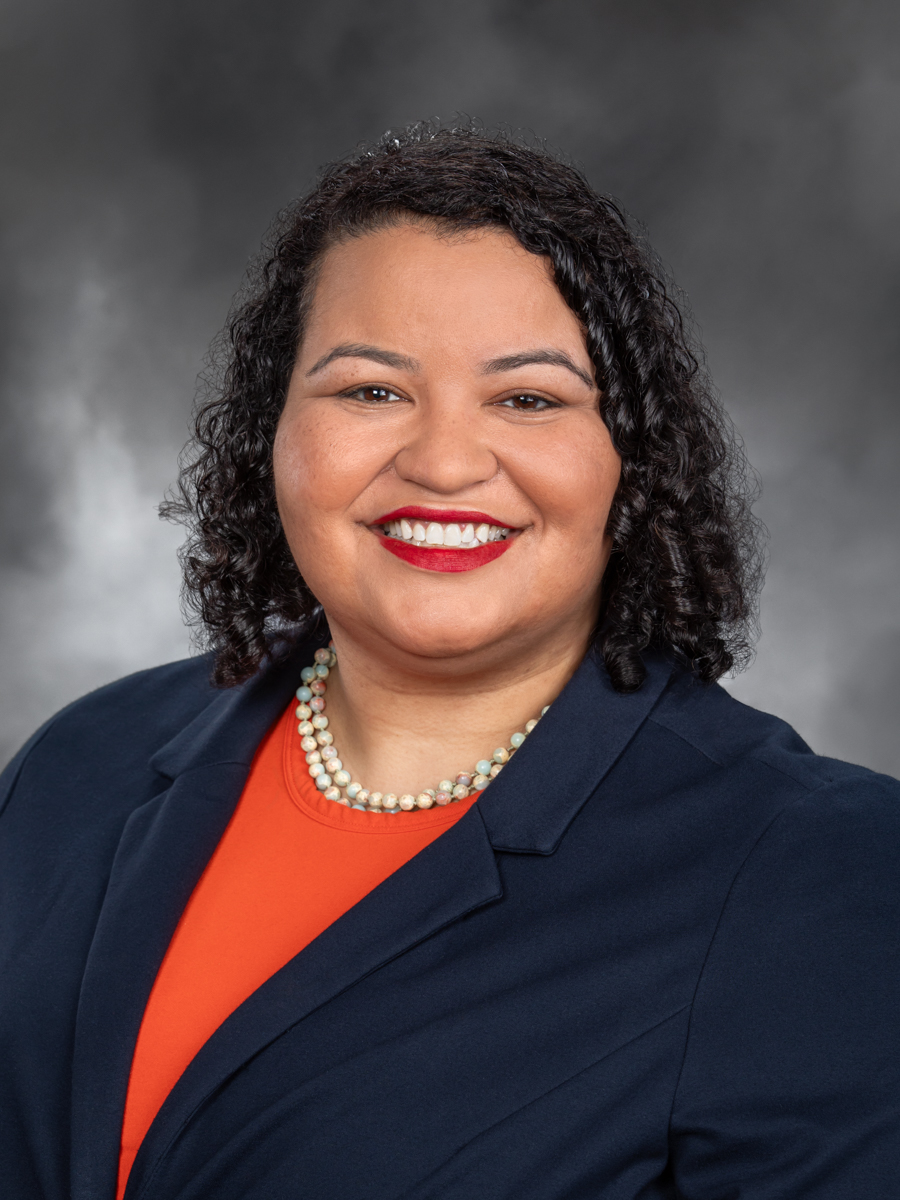
Rep. Julia Reed
Sponsored bills
Maddy summaryHB 1726 requires state agencies, school districts, and municipalities to prioritize purchasing lumber from Washington state (then Oregon, then U.S.) for public works projects costing over $500,000 with state funding covering more than half the cost. The bill mandates this procurement order unless a waiver is granted for reasons like public interest concerns, insufficient local supply, or cost increases exceeding 10%. Waivers require 30 days of public notice and comment, with a published justification. It applies to new bids after enactment and includes a provision ensuring compliance with federal funding requirements. This bill directly affects public construction projects funded significantly by the state.
Maddy summaryHB 1554 expands eligibility for Washington's College Bound Scholarship to include students who qualified for free or reduced-price lunch in 7th or 8th grade (even if they later lost that status) and those who qualified in 9th grade after being ineligible earlier. It also adds protections for adopted youth (adopted between 14-18 with specific agreements) to retain eligibility. The bill requires automatic enrollment for eligible students with no application needed, and mandates schools to notify students about the program. This change removes barriers that previously excluded low-income students due to temporary income fluctuations.
Maddy summaryHB 1444 requires Washington health insurers to cover rapid whole genome sequencing for infants under one year old in intensive care units who meet specific medical criteria, such as unexplained epilepsy, multiple congenital abnormalities, or suspected genetic disorders. It mandates coverage starting January 1, 2026, for cases where timely diagnosis is critical to treatment, including pre- and post-test counseling. The bill ensures separate payment for this service (not bundled into existing hospital payments) and defines "rapid" sequencing as delivering results in under 14 days. It directly affects low-income families enrolled in medical assistance programs by removing financial barriers to faster diagnosis of rare genetic conditions.
Maddy summaryHB 1334 modifies Washington State's rules for limiting annual growth in local property tax revenue, directly affecting cities, counties, and other taxing districts. The bill replaces the previous inflation measure with the Western Region Consumer Price Index and sets the growth limit at 100% plus population change and inflation (capped at 103%), while small districts (under 10,000 population) remain limited to 101%. It repeals a prior provision allowing some districts to use a 101% limit factor and requires new calculations for tax limits starting in 2026. These changes aim to adjust how property tax revenue growth is calculated for local government funding.
Maddy summaryHB 1058 creates tax credits for eligible railroads to fund infrastructure improvements. It directly affects small regional railroads (class II/III), public entities like ports/cities, and industrial property owners with rail spurs in Washington. The bill provides a 50% tax credit on qualified expenses for maintenance, new rail development, or modernization projects (e.g., track upgrades, bridges, safety equipment), with annual limits of $500,000 per taxpayer and a total $8 million statewide cap. Credits can be carried forward for up to five years or transferred to other eligible taxpayers.
Maddy summaryHB 1992 requires Washington state and local governments to integrate pedestrian, bicycle, and equestrian infrastructure into highway planning and construction. It mandates preserving existing trails when highways are built, providing replacement routes if trails are severed, and incorporating active transportation facilities into highway designs where they align with adopted plans. The bill directly affects state and local transportation agencies, highway planners, and trail users by changing how infrastructure projects must consider non-motorized travel. Key mechanisms include amending highway codes to prioritize trail connections, requiring safety-focused traffic control at trail crossings, and authorizing funding for trail maintenance from existing transportation budgets.
Maddy summaryHB 1463 expands exemptions allowing families to continue receiving Washington's Temporary Assistance for Needy Families (TANF) cash aid beyond the standard 60-month time limit. It directly affects low-income households nearing or exceeding this limit due to specific hardships. Key provisions add new exemption criteria, including homelessness (per federal McKinney-Vento Act), periods when Washington's unemployment rate was 7% or higher (starting March 2020), family violence, and having a child under age two requiring infant/toddler care. The bill requires recipients to have already received 52 months of aid before qualifying for these extensions, ensuring exemptions apply only to those with significant, documented hardship.
Maddy summaryHB 1224 proposes to modify Washington State's Working Families' Tax Credit to make it easier for eligible low-income residents to claim the benefit. The bill would enhance the credit's administration by allowing the Department of Revenue to use data-sharing agreements with other agencies (like the Department of Social and Health Services) to verify eligibility and reduce application barriers. Eligible individuals - defined as Washington residents who file federal tax returns and meet income thresholds - would receive annual refunds ranging from $300 (no qualifying children) to $1,200 (three or more children), adjusted for inflation. The changes aim to increase participation rates by streamlining the application process and clarifying eligibility rules, though the bill remains pending in the legislature as of its January 2025 introduction.
Maddy summaryHB 1424 creates an independent Jail Oversight Board within the governor's office to improve transparency and safety in Washington's city, county, and regional jails. The board, appointed by the governor, will include seven members representing diverse perspectives such as jail administrators, health care providers, and individuals with lived experience of incarceration. Its role is to ensure safe and humane conditions for jail staff and people held in custody while promoting a more rehabilitative approach to jail operations. This new oversight structure replaces the previous system eliminated in 1987 and aligns with practices in 29 other states.