

Maddy summaryHB 1180 implements specific recommendations from Washington's Sex Offender Policy Board regarding the criminal offense of failure to register as a sex offender. The bill amends state laws (including RCW 9A.44.132 and 9.94A.515) to clarify registration requirements and adjust sentencing levels for noncompliance. It directly affects individuals convicted of sex offenses who are required to register under state law. The key change updates how failure to register is classified and penalized within Washington's criminal sentencing framework.
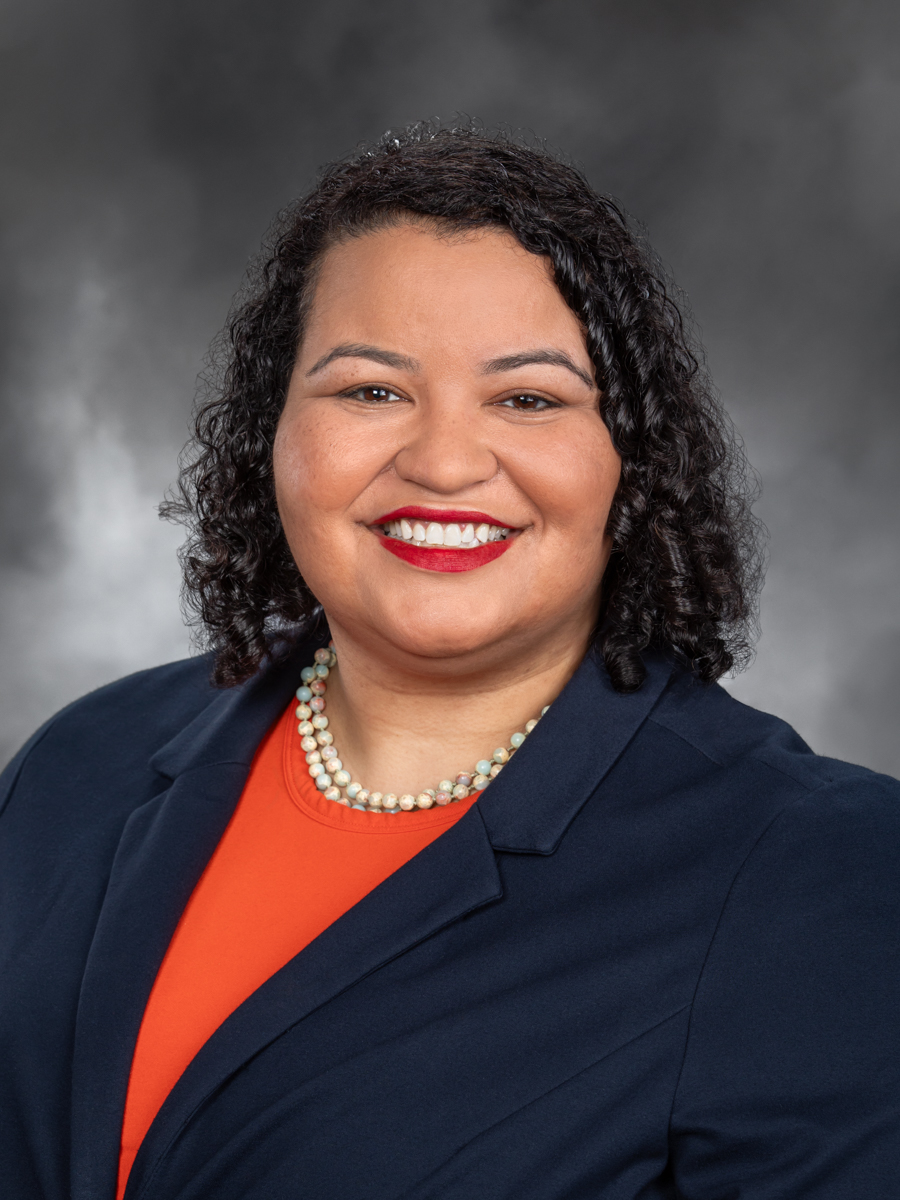
Rep. Julia Reed
Sponsored bills
Maddy summaryHB 1768 restricts large corporations and investment firms from purchasing additional manufactured housing communities to prevent displacement of low-income and senior residents. It prohibits business entities owning five or more communities (or 200+ lots) and bans all investment entities from acquiring such properties. The law aims to stop sharp rent hikes and community displacement by limiting corporate ownership, with violations carrying civil penalties up to $100,000 per violation. This directly affects existing manufactured housing communities, where residents often face affordability challenges due to corporate takeovers.
Maddy summaryHB 1398 amends state law to update rules for interest arbitration panels deciding wages and working conditions for employees at adult family home providers (facilities caring for elderly or disabled individuals). The bill requires panels to consider West Coast wage comparisons for similar workers, regional cost-of-living differences, and the state's financial ability to pay. It also mandates panels to weigh factors like reducing reliance on public assistance programs (e.g., food stamps, housing aid) and promoting workforce stability in long-term care. These changes directly affect arbitration outcomes for caregivers in adult family homes across Washington. The bill does not create new funding but guides how existing resources are allocated during wage negotiations.
Maddy summaryHB 1674 requires Washington state primary care health care entities to offer hepatitis B and hepatitis C screening during annual visits, wellness checkups, or a new patient's first visit, following CDC guidelines. It allows entities to comply through direct patient offers, EHR prompts, or patient mailers, with exceptions for emergencies, prior screening, or lack of patient consent. If screening is positive, providers must offer follow-up care or referrals per clinical guidelines, and all providers must complete required hepatitis training by January 1, 2026. The bill emphasizes culturally appropriate screenings and clarifies it doesn’t change existing provider responsibilities or impose licensure penalties for non-compliance.
Maddy summaryHB 1639 requires Medicare Advantage insurance providers operating in Washington to disclose three specific details to current and potential enrollees: their claims denial rate (as a percentage), the percentage of denied claims later approved on appeal, and the appeals process. These disclosures must be provided before enrollment and upon request after enrollment. The bill states that failing to provide these disclosures violates Washington’s Consumer Protection Act (Chapter 19.86 RCW), classifying such failures as unfair or deceptive practices. This legislation directly affects Medicare Advantage entities serving Washington residents, aiming to increase transparency in coverage decisions.
Maddy summaryHB 1134 establishes a voluntary "Washington state green schools program" within the Office of the Superintendent of Public Instruction to promote student-led resource conservation in public schools. The program provides limited stipend funding ($600 max per school annually) for school-based advisors to support student education and leadership in waste reduction, energy conservation, water efficiency, and urban forestry initiatives. Schools with over 50% of students eligible for free/reduced-price meals receive priority for funding, and the program aligns with state science curriculum standards on climate and sustainability. It is funded using revenues from the Climate Commitment Act and complements existing district conservation efforts.
Maddy summaryHB 1810 requires Washington state to study financial incentives for seismic retrofits of older brick buildings (unreinforced masonry structures) and create a statewide inventory of such buildings. It directly affects building owners of vulnerable historic properties, local governments using the inventory for planning, and taxpayers through potential tax changes. Key provisions include a 2026 study on tax modifications (like special valuation or exemptions) to reduce retrofit costs, and a 2030 deadline to catalog all such buildings using existing data and on-site verification. The bill aims to make retrofits more affordable to protect public safety and preserve affordable housing, without mandating retrofits. It expires in 2026 for the study and 2030 for the inventory work.
Maddy summaryHB 2082 aims to increase funding for public K-12 education, early learning, child care, and higher education in Washington state. The bill proposes to do this by modifying the state's capital gains tax and estate tax. It introduces an additional 2.90% excise tax on an individual's Washington capital gains that exceed $1,000,000, effective January 1, 2025. For the estate tax, it increases the exclusion amount to $3,000,000 for estates of decedents dying on or after January 1, 2025, and intends to raise the top-tier rates up to 35 percent. Revenues generated from these changes would be dedicated to the education legacy trust account.
Maddy summaryHB 1943 requires Washington public high schools (grades 9-12) to include blood donation awareness instruction in at least one required health class starting in the 2025-26 school year. The bill directs schools to use programs from approved organizations like the American Red Cross or Bloodworks Northwest, which must be posted on the state education website. It also allows schools serving grades K-8 to offer age-appropriate versions of this instruction. The bill aims to educate students about blood donation’s life-saving impact and eligibility, complementing existing health education without mandating certified staff delivery.
Maddy summaryHB 1120 sets new minimum state salary allocation targets for school staff in Washington's basic education program, directly affecting all public school districts. It requires the state to gradually increase minimum salary allocations to reach $67,325 (adjusted for inflation from 2023-24) for classified staff (e.g., office, support roles) starting in the 2025-26 school year, with further increases to $99,164 for classified administrative staff by 2027-28. The bill mandates annual inflation adjustments and regional cost-of-living adjustments based on school district housing values, as specified in the annual budget. These changes aim to align state funding with actual staffing costs, replacing previous formulas that expired after the 2017-18 school year. The bill is currently pending in the Appropriations Committee after being prefaced in December 2024.