

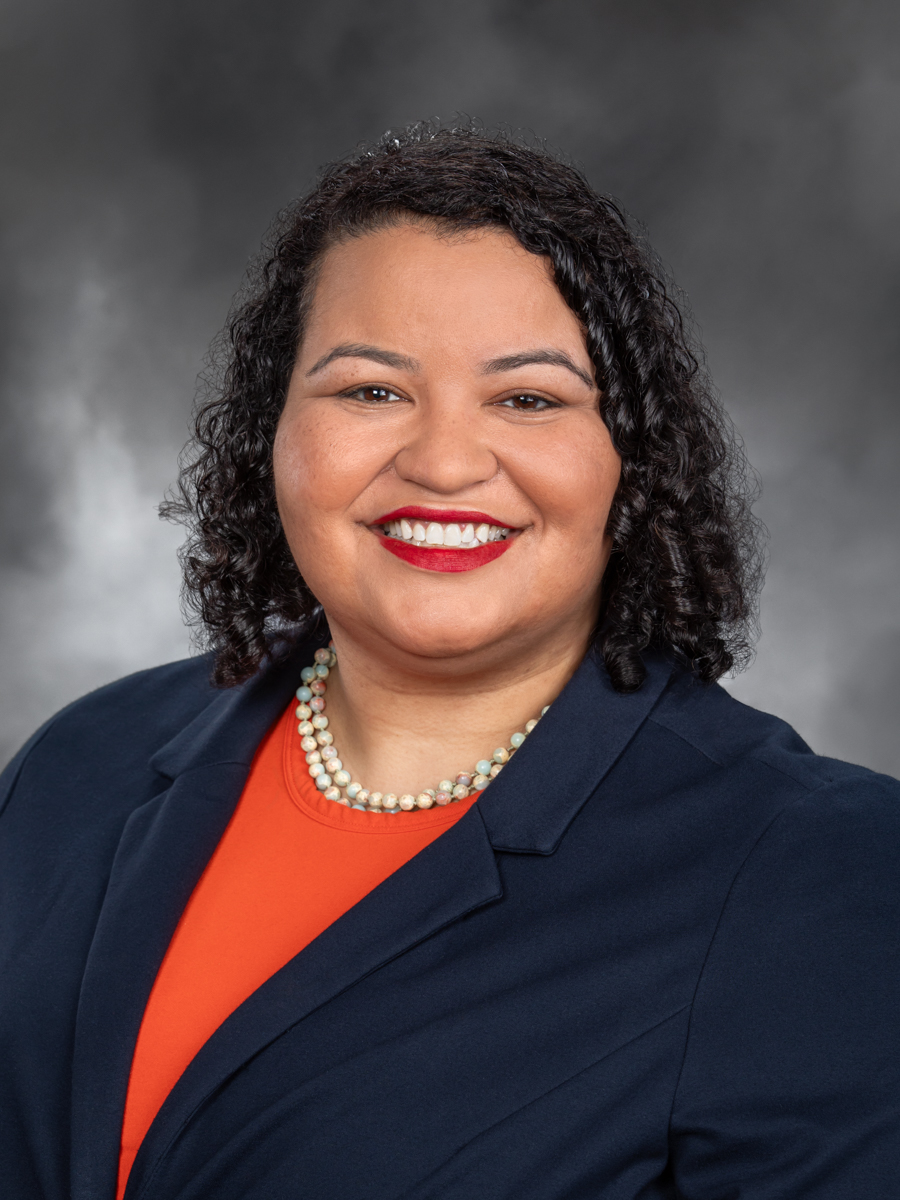
Photo of Julia Reed
D Washington House · District 36 On the 2026 ballot

Rep. Julia Reed

Compare
Total votes
2,532
all sessions
Attendance
99%
15 missed
Near the chamber average
With party
98%
of cast votes
Near the chamber average
Bipartisan score
1%
crosses aisle rarely
Near the chamber average
Sponsored
1,244
bills & resolutions
Higher than 97% of chamber peers
Committees
4
assignments
1,244 bills and resolutions

Sponsored bills

Total
1,244
Primary
42
Co-sponsor
1,202
This page
1,244
matching current filters
Co-sponsor HB 1988
In committee · Washington House · Co-sponsor
Permitting individuals retired from the public employees' retirement system, the teachers' retirement system, and the school employees' retirement system additional opportunities to work for up to 1,040 hours per year while in receipt of pension benefits.

Maddy summaryHB 1988 allows retirees from Washington's public employees' retirement system (PERS), teachers' retirement system (TRS), and school employees' retirement system (SER) to work in school districts without losing pension benefits for up to 1,040 hours per year. This replaces a previous limit of 867 hours for non-administrative school staff and certain administrators in second-class school districts. Retirees can continue receiving full pension payments while working these hours, but benefits would be reduced if they exceed the 1,040-hour annual threshold. The change applies between March 2022 and July 2029 and affects current retirees working in eligible school roles.

In committee Jan 12, 2026 1 co-sponsor
Co-sponsor HB 1590
In committee · Washington House · Co-sponsor
Supporting student success through instruction in self-resiliency skills.

Maddy summaryHB 1590 requires Washington public schools to teach self-resiliency skills - including self-awareness, self-management, social awareness, and problem-solving - through research-based, culturally sustaining curricula aligned with existing learning standards. The bill allocates annual state funding (2025-2030) to prioritize high-poverty schools and those in high-risk communities for implementing these programs, with schools required to report on student outcomes. It encourages coordination with existing mental health support efforts like school counseling and suicide prevention initiatives. The funding expires August 1, 2031, and applies to all public school districts, charter schools, and state-tribal education compact schools.

In committee Jan 12, 2026 1 co-sponsor
Co-sponsor HB 1806
In committee · Washington House · Co-sponsor
Ensuring that commercial fishing revenue benefits communities most dependent on the industry.

Maddy summaryHB 1806 redirects 50% of commercial fishing landing tax revenue to the cities or counties where fish are first landed, primarily benefiting rural coastal communities in southwest Washington that rely heavily on the fishing industry. The bill amends tax collection rules to ensure this portion - previously going to the state general fund - directly supports local public safety and infrastructure needs in these communities. Key provisions specify that 50% of the "landing tax" paid by commercial fishers on certain species (like salmon) must be distributed locally, while smaller percentages fund state conservation accounts and the general fund. This policy change takes effect January 1, 2027, aiming to align tax revenue with community needs.

In committee Jan 12, 2026 1 co-sponsor
Primary HB 1557
In committee · Washington House · Lead sponsor
Establishing the Washington guaranteed admissions program and requiring student notifications.

Maddy summaryHB 1557 establishes Washington's Guaranteed Admissions Program, which guarantees admission to public four-year colleges for eligible high school seniors meeting specific criteria. It requires participating colleges (including tribal institutions and state universities) to simplify application processes starting in 2026-27, and mandates high schools to share student data with colleges to identify qualified applicants. The bill also requires all high schools to provide annual notifications to students in grades 9-12 about this program, the Washington College Grant, dual credit options, and other college pathways. Institutions may opt out of the program by reporting their reasons to the legislature, but must still pursue alternative access initiatives.

In committee Jan 12, 2026 0 co-sponsors
Co-sponsor HB 1313
In committee · Washington House · Co-sponsor
Addressing mass layoffs, relocations, and terminations.

Maddy summaryHB 1313 requires businesses with 100 or more employees in Washington to provide 60 days' written notice before mass layoffs (50+ employees in 30 days), relocations (100+ miles), or terminations. The notice must include specific details like the reasons for the action, alternatives considered (e.g., reduced hours or transfers), and supporting data on operations or market conditions. Employers must notify affected workers, the state employment department, local governments, workforce councils, and unions. Exceptions exist for businesses seeking capital (with strict documentation) or facing natural disasters, but the law aims to increase transparency and give workers more time to prepare for job loss.

In committee Jan 12, 2026 1 co-sponsor
Co-sponsor HB 1478
In committee · Washington House · Co-sponsor
Modifying the manner of death listed in a death certificate following a conviction of controlled substance homicide.

Maddy summaryHB 1478 allows family members to request that a death certificate be updated to list an opioid overdose death as a "homicide" when a person is convicted of controlled substance homicide (RCW 69.50.415) related to the death. This applies only if the death was caused by an opioid overdose, the original certificate did not list it as a homicide, and a conviction under RCW 69.50.415 exists. Coroner or medical examiner offices must correct the certificate within 10 days of receiving a valid request. This change directly affects families of overdose victims and the officials who process death certificates.

In committee Jan 12, 2026 1 co-sponsor
Co-sponsor HB 1062
In committee · Washington House · Co-sponsor
Providing coverage for biomarker testing.

Maddy summaryHB 1062 requires all health plans in Washington (including commercial plans, public employee coverage, and state Medicaid) to cover biomarker testing starting January 1, 2026. This applies to tests that measure biological markers in tissue or blood (like gene mutations) when used for diagnosis, treatment, or monitoring of a patient’s condition, provided the test is supported by FDA approvals, Medicare guidelines, clinical practice standards, or expert consensus. Plans must ensure coverage without causing unnecessary disruptions, such as requiring multiple biopsies. The bill mandates this coverage uniformly across all plan types under specific evidence-based criteria.

In committee Jan 12, 2026 1 co-sponsor
Co-sponsor HB 1277
In committee · Washington House · Co-sponsor
Creating a sales and use tax exemption for the purchase and use of medical equipment and supplies by a critical access hospital.

Maddy summaryHB 1277 creates a tax exemption for critical access hospitals located on islands within 25 miles of a military installation, eliminating sales and use taxes on qualifying medical equipment (like diagnostic machines) and supplies (such as gloves, syringes, and bandages). The exemption applies to purchases and use of these items beginning January 1, 2026, and expires January 1, 2036. It excludes construction materials, office equipment, and non-medical vehicles. This policy directly affects designated island-based hospitals by reducing their operational costs for essential medical resources.

In committee Jan 12, 2026 1 co-sponsor
Co-sponsor HB 1350
In committee · Washington House · Co-sponsor
Modernizing reimbursement rates for the working connections child care program.

Maddy summaryHB 1350 updates Washington's child care subsidy reimbursement rates to better match the actual cost of high-quality care. It requires the state to use a new "cost of quality" rate model that covers full provider costs - including living wages, benefits, staff training, and materials - instead of relying solely on the current 85th percentile market rate. This directly affects licensed child care providers serving families in the Working Connections Child Care program and aims to stabilize the child care workforce. The bill maintains the existing baseline reimbursement rate but mandates future rate recommendations must reflect these updated cost calculations.

In committee Jan 12, 2026 1 co-sponsor
Co-sponsor HB 1659
In committee · Washington House · Co-sponsor
Expanding the early childhood court program.

Maddy summaryHB 1659 expands Washington's early childhood court program to serve infants and toddlers under age six (previously under three) in dependency cases, while allowing courts to use funding for preventative services to support families at risk of entering the child welfare system. Key provisions require courts to establish community coordinators with diversity expertise, create family-centered team meetings, implement more frequent status hearings, and prioritize culturally responsive practices to address systemic racism in child welfare. The bill directly affects families with young children in dependency cases, courts establishing these programs, and child welfare agencies like DCYF, mandating data collection on racial equity and community collaboration. It emphasizes preventing unnecessary child welfare involvement through upstream support and ensures families are central to case planning and reunification efforts.

In committee Jan 12, 2026 1 co-sponsor
Showing 381 to 390 of 1,244 bills
Previous 1 … 38 39 40 … 125 Next