

Maddy summaryHB 1396 creates an advisory council to increase transparency and accountability for Washington State's Office of Corrections Ombuds. The council, composed of 11 members including currently and formerly incarcerated individuals, family members, and experts in diversity and disability, will advise the ombuds on priorities and provide feedback on reports. The bill requires the ombuds to consult the council, share deidentified data and trends, and submit annual reports detailing complaints, investigations, and stakeholder input. It also mandates the ombuds to actively solicit feedback from incarcerated people and implement anti-racist training for council members. This bill directly affects incarcerated individuals, their families, and the ombuds office by restructuring oversight processes to center lived experience.
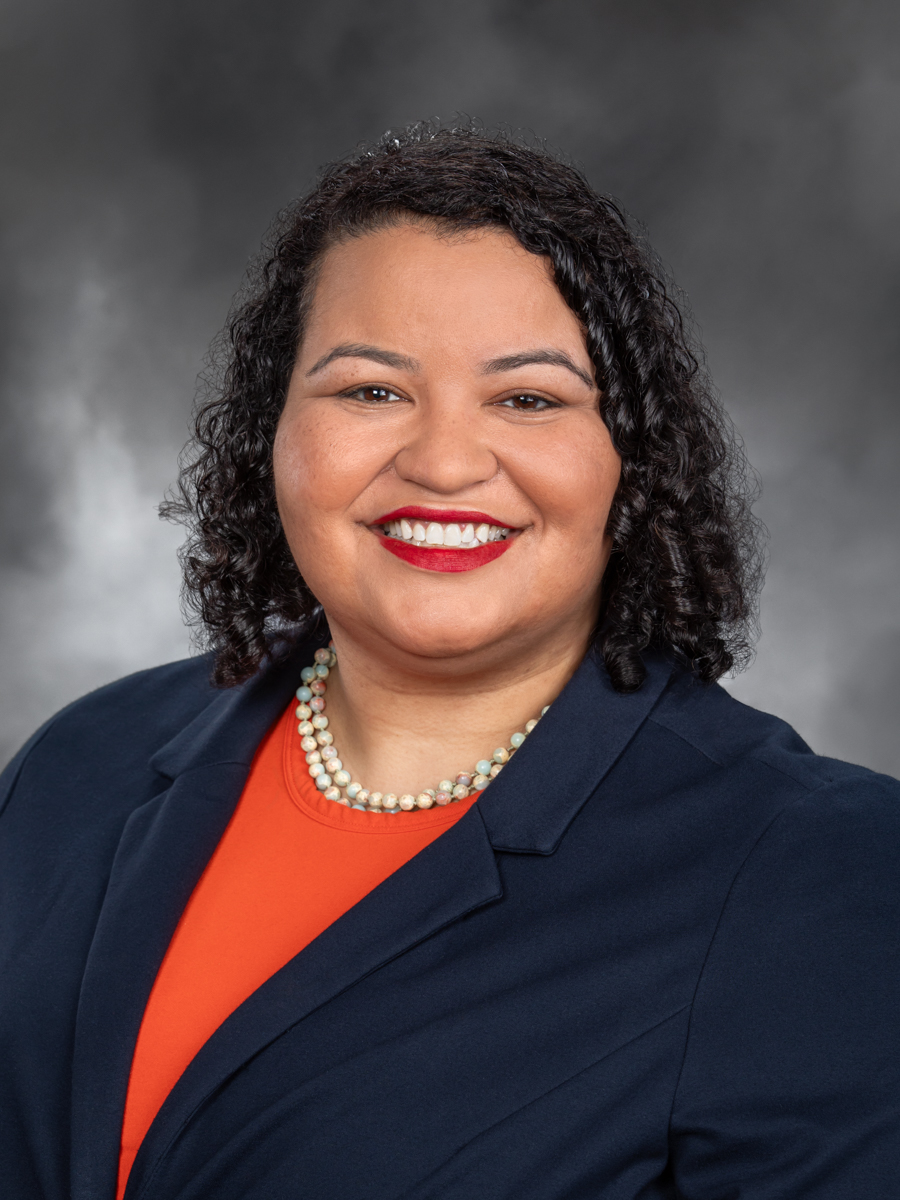
Rep. Julia Reed
Sponsored bills
Maddy summaryHB 1847 prioritizes smaller renewable energy projects on existing developed lands and infrastructure to support Washington's clean energy goals while protecting agricultural and natural resources. It specifically incentivizes solar and wind installations on locations like capped landfills, roadsides, irrigation canals, parking lots, and agricultural lands through "agrivoltaic" systems that maintain farming viability. The bill defines eligible projects and requires state agencies to facilitate development on designated sites, including ensuring solar arrays don't permanently convert farmland or degrade soil productivity. Key provisions include strict rules for agrivoltaic facilities to continue producing crops or ecosystem services and prioritizing energy storage on existing infrastructure. This bill directly affects developers, landowners, and agricultural operations seeking to integrate renewable energy without disrupting current land uses.
Maddy summaryHB 1263 updates Washington's Essential Needs and Housing Support Program to expand eligible uses for assistance. It allows cash assistance for recipients (previously prohibited) and clarifies eligibility for low-income elderly or disabled adults transitioning off certain benefits who have immediate housing needs. The bill requires housing support entities to prioritize homeless individuals first and those at "substantial risk" of losing housing second, while mandating data reporting to homeless management systems and limiting administrative costs to 5% of program funds. This directly affects vulnerable residents facing housing instability, including homeless individuals and those at risk of losing housing due to financial hardship.
Maddy summaryHB 1337 modifies governance rules for Washington's public universities by requiring student and faculty representatives on governing boards. It mandates that each university's board include one student (appointed annually from student-elected candidates) and one faculty member (appointed for three years from faculty nominations), with both excluded from voting on faculty hiring or discipline matters (except for presidential appointments). The bill affects all public universities, including the University of Washington, Washington State University, and regional campuses, by altering board composition and appointment processes. Key changes include standardized term lengths for board members and specific selection procedures for student/faculty roles, aiming to enhance academic community input in leadership decisions. The legislation declares an emergency to expedite implementation.
Maddy summaryHB 1445 would create a state-run Washington Health Trust to provide universal, comprehensive health coverage to all Washington residents, eliminating premiums, deductibles, and copayments. The trust would cover essential health benefits including primary care, dental, vision, prescription drugs, mental health services, and maternity care for everyone, regardless of income, race, or immigration status. It prohibits discrimination by providers and requires all qualified health care facilities to participate, with the trust paying providers directly for covered services. The bill aims to replace fragmented private and public insurance systems with a single unified financing structure to simplify administration and reduce costs.
Maddy summaryThis bill establishes new reimbursement rules for health insurers covering Washington public employees' health plans. Starting in 2027, insurers must pay at least 150% of Medicare rates for primary care and behavioral health services, while capping payments at 200% of Medicare for most hospital services (350% for children's specialty hospitals). Rural hospitals and critical access facilities must receive minimum payments of 101% of Medicare costs. These requirements specifically apply to insurers serving public employees, not general health coverage.
Maddy summaryHB 2042 gives a 5% preference in state employment exams to certain federal employees who were separated from federal service under specific executive orders (Executive Order 14210 or due to remote work termination). It directly affects federal employees who meet the defined separation criteria when applying for competitive state jobs in Washington. The preference adds 5% to their exam scores for initial appointments only, but not for promotions. This policy applies to all state agencies and departments, including offices, boards, and commissions.
Maddy summaryThis bill updates Washington state laws to improve safety measures for youth sports by amending existing child protection statutes and adding new definitions related to child abuse, neglect, and family assessments. It clarifies terms such as "child," "child protective services," and "family assessment response" to ensure consistent application of safety protocols across the state. The legislation also establishes clearer procedures for investigating abuse reports and emphasizes the preservation of family integrity while prioritizing child safety. These changes directly affect youth sports organizations, child protective services agencies, and families involved in youth athletic programs.
Maddy summaryHB 1864 requires health plans issued or renewed on or after January 1, 2026, to cover ground ambulance transport to non-emergency facilities like urgent care clinics, mental health centers, or substance use disorder programs. It amends existing laws to mandate this coverage for behavioral health emergencies (effective January 1, 2025) and establishes reimbursement rules for medical assistance programs. The bill directly affects health insurers, ambulance services, and patients seeking non-emergency care. It creates a policy change ensuring coverage for transport to these facilities without requiring prior authorization for emergency situations.
Maddy summaryHB 1611 prohibits Washington state and local government agencies from purchasing or using public funds to acquire small drones (under 55 pounds) made or assembled by foreign entities on U.S. sanctions lists or tied to China or Russia. It bans these purchases and related funding starting January 1, 2026, and requires agencies to stop operating such drones by July 1, 2026. The law defines "covered foreign entities" as those on U.S. Commerce Department lists, based in China or Russia, or controlled by those governments. This directly affects all state/local agencies, including law enforcement, that use drones for operations.