

Maddy summaryHB 1438 sets strict time limits for Washington cities and counties to approve housing permit applications, requiring final decisions within 65 days for simple permits, 100 days for those needing public notice, and 170 days for projects requiring public hearings. If deadlines are missed, local governments must refund 10-20% of permit fees based on how long they exceed the timeline. The law applies specifically to housing projects in urban growth areas with residential units and excludes certain permit types or planning processes. It aims to streamline housing development by creating predictable, enforceable review timelines for local governments.
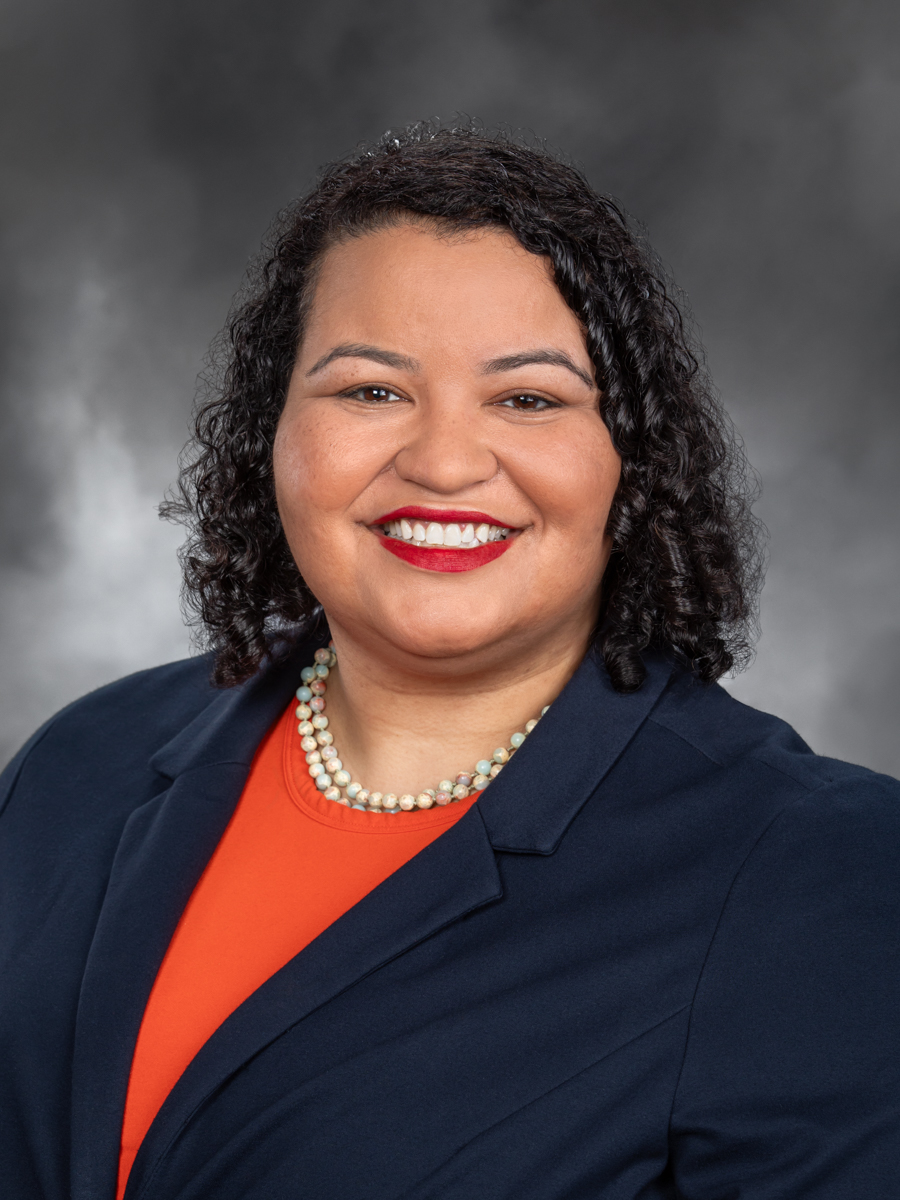
Rep. Julia Reed
Sponsored bills
Maddy summaryHB 1035 requires Washington's public community colleges, technical colleges, and regional universities to adopt policies addressing secondary traumatic stress among faculty and staff. It mandates developing model policies with specific elements, including mental health support, diversity-focused workplace climates, campus mental health committees, and annual reporting. Institutions must post these policies publicly by September 2025 and incorporate all required elements into their own policies by the start of the 2025-26 academic year. The bill also requires colleges to publish online links to mental health resources, self-assessment tools, and best practices for their workforce.
Maddy summaryHB 1512 establishes a grant program to help low-income drivers address nonmoving traffic violations (like registration or insurance issues) through nonpunitive solutions such as repair vouchers, helmet programs, or community education, rather than fines. It directly affects low-income road users - defined as those on public assistance, WIC, Medicaid, or earning 125% of the federal poverty level - by providing alternatives to financial penalties. The bill also requires police to report detailed stop data (including race, age, and reason for stops) starting in 2026 and clarifies that stops for nonmoving violations can only be secondary to primary offenses like speeding or impaired driving. These provisions aim to reduce racial disparities in traffic enforcement while improving road safety compliance.
Maddy summaryThis bill changes Washington's unemployment insurance rules for part-time workers, effective August 3, 2025. It revises the definition of "suitable work" for part-time workers (those who earned wages in at least 40 base-year weeks with an average of under 35 weekly hours) to require them to seek work matching their historical average hours, rather than the previous 17-hour limit. It also adds protections: workers needing to care for family members or address domestic violence/stalking may not lose benefits for seeking at least 20-hour workweeks instead of full-time. The policy directly affects part-time workers who qualify under these new base-year criteria.
Maddy summaryHB 1623 prohibits employers from deducting credit card processing fees from employee tips. It requires that when customers pay tips via credit card, employees receive the full amount indicated on the credit card slip, without any reduction for transaction fees charged by the credit card company. This law directly affects tipped workers in Washington, such as servers and bartenders, and applies to all employers accepting credit card tips. The bill amends state law to ensure tips paid by credit card are paid in full to employees, eliminating employer deductions for processing costs.
Maddy summaryHB 1150 requires producers of consumer packaging and paper products to fund and manage recycling programs, shifting responsibility from taxpayers to manufacturers. It aims to improve recycling access - especially for rural residents and multi-family housing - by mandating producer-funded curbside collection systems and setting statewide collection and composting targets. The bill defines "covered materials" (like plastic, paper, metal packaging) and exempts certain items (e.g., infant formula packaging), while creating an advisory council to oversee implementation. Producers must meet specific collection rate goals, with smaller businesses qualifying for de minimis exemptions based on revenue thresholds. The law preserves local government authority over waste management but requires producers to integrate into existing recycling infrastructure.
Maddy summaryHB 1214 expands Washington's Working Families' Tax Credit to include all residents aged 18 and older, removing a prior age restriction that limited eligibility to those under 18. The bill updates eligibility rules in the tax code to allow individuals who meet federal credit requirements (including filing a federal return and meeting income thresholds) to qualify regardless of age, as long as they were 18 or older by the end of the prior tax year. It maintains existing credit amounts ($300-$1,200 based on children) and calculation methods, with annual inflation adjustments. This change directly affects low-income Washington residents aged 18+ who previously may have been excluded due to age.
Maddy summaryHB 1082 allows licensed child care providers in Washington to use documented work experience instead of formal early childhood education certificates to meet licensing requirements until August 1, 2028. To qualify, providers must show continuous employment since August 1, 2021 (or seven cumulative years), active work requiring such certificates, and completion of required health/safety training. The bill also requires the Department of Children, Youth, and Families to form a stakeholder group - including providers, training organizations, and community advocates - to review and improve staff qualification systems, with a report due by December 2026. This law expires July 1, 2028, and does not apply to providers serving the Early Childhood Education and Assistance Program (ECEAP).
Maddy summaryHB 1404 expands access to free school meals in Washington state by removing income-based eligibility requirements. It mandates that all public school students who request a meal receive it at no cost, regardless of family income, to address food insecurity and support academic success. The bill amends several education funding statutes (including RCW 28A.235.135 and 28A.235.160) to align meal access with this new policy. It directly affects every public school student in Washington, ensuring no child experiences hunger during the school day. The policy change replaces previous tiered eligibility systems with universal free meals for all requesting students.
Maddy summaryHB 1220 creates an exception to assault charges for individuals in behavioral health crisis who assault healthcare providers while receiving treatment. It specifically exempts such assaults from third-degree assault charges when the victim is a nurse, physician, or health care provider performing duties during behavioral health treatment under chapters 71.05, 71.34, or 10.77 of the Revised Code of Washington. This applies only when the person is detained, pending evaluation, or receiving voluntary in-patient behavioral health treatment. The bill modifies existing assault law to prevent criminal prosecution in these specific crisis treatment scenarios.