

Maddy summaryHB 2216 strengthens protections for emergency responders by amending Washington’s obstruction law (RCW 9A.76.020) to define "emergency responder" broadly to include firefighters, paramedics, and other emergency personnel responding to active incidents. It makes willfully interfering with these responders a gross misdemeanor, covering situations where responders are in uniform, announce their role, or are reasonably identifiable as such. The bill also includes new provisions requiring cities and counties to revise policies to prevent using local resources for immigration enforcement, ensuring services remain available regardless of immigration status. These changes directly affect emergency personnel, public safety responders, and local government agencies operating in Washington.
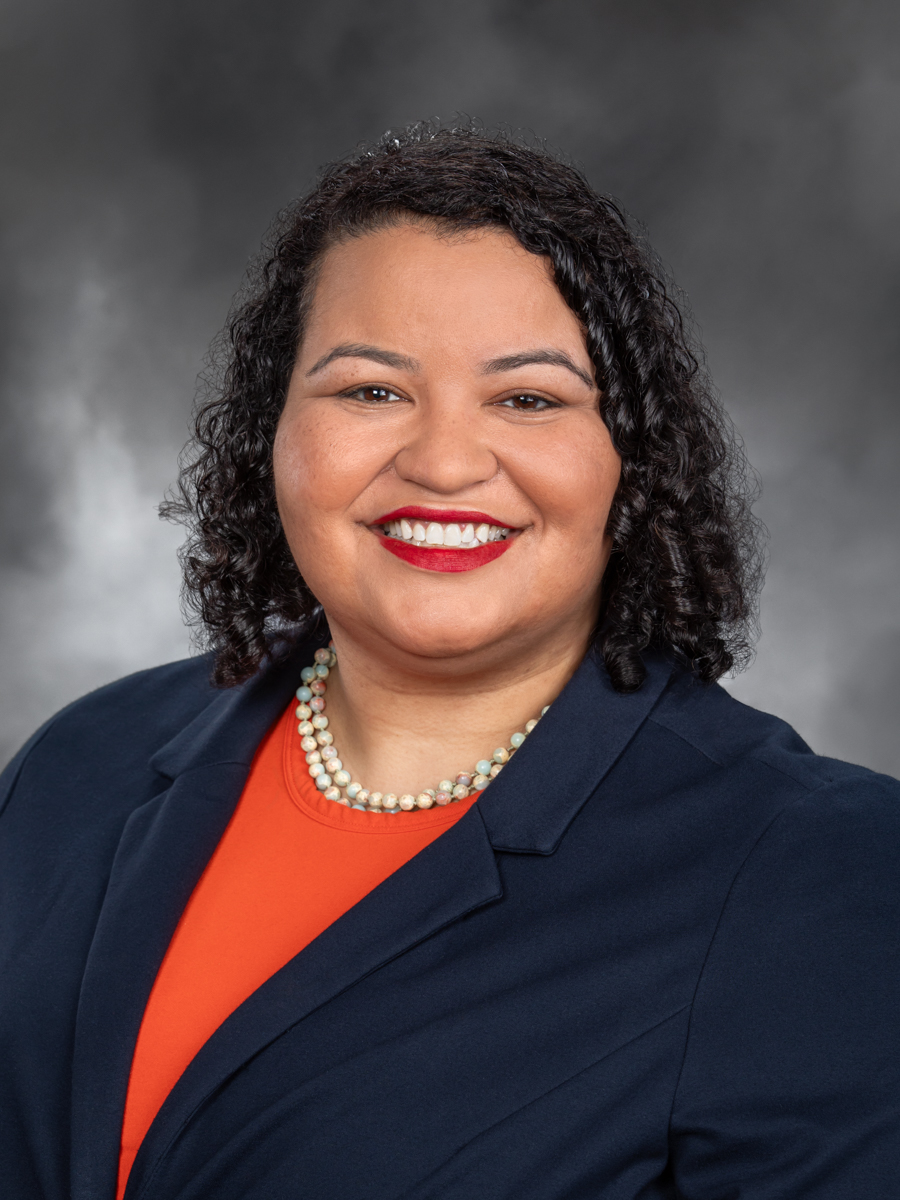
Rep. Julia Reed
Sponsored bills
Maddy summaryHB 2166 amends Washington State law to grant state employees two unpaid religious holidays per year for observance of faith-based practices. It specifically adds a provision allowing employees to select two days annually for religious observance (e.g., Hanukkah, Eid al-Fitr, Passover) after consulting with employers, unless the absence would cause undue hardship. The bill does not create new paid holidays but expands existing unpaid holiday options for state workers, including those in schools and public institutions. It reaffirms existing state legal holidays while listing additional recognized days (like Hanukkah and Eid) that are not legally designated as paid holidays.
Maddy summaryHB 2169 strengthens financial independence for Washington youth aged 18-21 in the care of the Department of Children, Youth, and Families (DCYF). It prohibits DCYF from using personal benefits (like Social Security) paid to these youth to reimburse care costs starting January 1, 2027. The bill requires DCYF to help eligible youth apply for Social Security benefits, assist in setting up managed financial accounts (such as ABLE accounts), and provide support for managing funds. If needed, DCYF must help identify an authorized representative to manage benefits, though it clarifies the department owes no fiduciary duty to youth or third parties managing these accounts.
Maddy summaryHB 1017 designates November 22nd as "Kimchi Day" in Washington State, recognizing the cultural significance of kimchi and aligning with similar observances in South Korea and other U.S. states. The bill amends state law to add "The twenty-second day of November, recognized as kimchi day" to a list of non-holiday cultural observances. It does not create a legal holiday or affect work schedules, as these recognized days are explicitly stated to not qualify as paid or unpaid legal holidays under state law. The measure aims to celebrate kimchi’s heritage, citing its UNESCO-recognized preparation process ("kimjang") and health benefits, but has no direct policy impact on residents or businesses.
Maddy summaryHB 1434 amends Washington State law to officially recognize Eid al-Fitr and Eid al-Adha as state legal holidays, adding them to the existing list of recognized days. These Islamic holidays, which shift annually based on the lunar calendar, will now be included in the state's holiday schedule alongside established dates like New Year's Day and Thanksgiving. The bill affects state employees, who will be entitled to paid time off for these holidays under existing provisions for state legal holidays, as outlined in RCW 1.16.050. This change makes Washington the first U.S. state to formally recognize both Eid holidays as official state observances.
Maddy summaryHB 1642 allows specific retirement system members who were never given a choice between two plan options to transfer to plan 2. It applies to teachers who joined Teachers' Retirement System plans 2/3 between 1996-2007, school employees who joined School Employees' Retirement System plans 2/3 between 2000-2007, and public employees starting after 2025 (effective January 2026). Members must make an irrevocable January transfer choice for future service, but retirees cannot transfer. The legislature reserves the right to modify this provision.
Maddy summaryHouse Joint Memorial 4003 is a non-binding resolution from the Washington State Legislature urging the U.S. government to join international efforts in developing a Fossil Fuel Non-Proliferation Treaty. It calls for ending new fossil fuel exploration and expansion, phasing out existing production in line with climate science, and prioritizing worker and community support during the transition. The memorial aligns with Washington’s existing climate laws, including the Climate Commitment Act and the HEAL Act, which aim to reduce emissions and address environmental health disparities. It directly addresses the U.S. President, Congress, and the United Nations to advance global climate action.
Maddy summaryHB 1218 aims to improve services for individuals referred for competency evaluations and restoration within the criminal justice system, particularly those with behavioral health needs. The bill expands and clarifies the role of forensic navigators, who courts may appoint to assist these individuals. Forensic navigators help individuals access diversion programs, community outpatient competency restoration services, housing, and medication, while also providing updates to the court and legal parties. The goal is to reduce the demand on forensic mental health facilities by diverting individuals to community-based behavioral health care.
Maddy summaryHB 1129 requires most group health plans in Washington to cover fertility preservation services starting January 2026 and infertility diagnosis/treatment starting January 2027. It mandates coverage for two egg retrieval procedures with unlimited embryo transfers (per medical guidelines), prohibits different cost-sharing for fertility services compared to other pregnancy care, and ensures coverage extends to spouses and nonspouse dependents equally. The bill directly affects health insurers and enrollees seeking fertility care, including LGBTQ+ individuals and racial/ethnic minorities who face coverage disparities. Key provisions include banning restrictions on fertility medications and eliminating separate deductibles or waiting periods for these services.
Maddy summaryHB 1595 establishes a 16-member advisory committee to develop a five-year statewide economic development plan, directly affecting Washington state government and economic sectors. The committee must include diverse representation from communities, industries (like tech, agriculture, and tourism), state agencies, and commissions focused on minority and women's business development. Key mechanisms require the committee to hold public meetings, provide input on plan priorities, and submit the first proposal with recommended legislation by November 2025, with updates every five years. The plan must include measurable goals and policy recommendations to guide state economic strategy.