

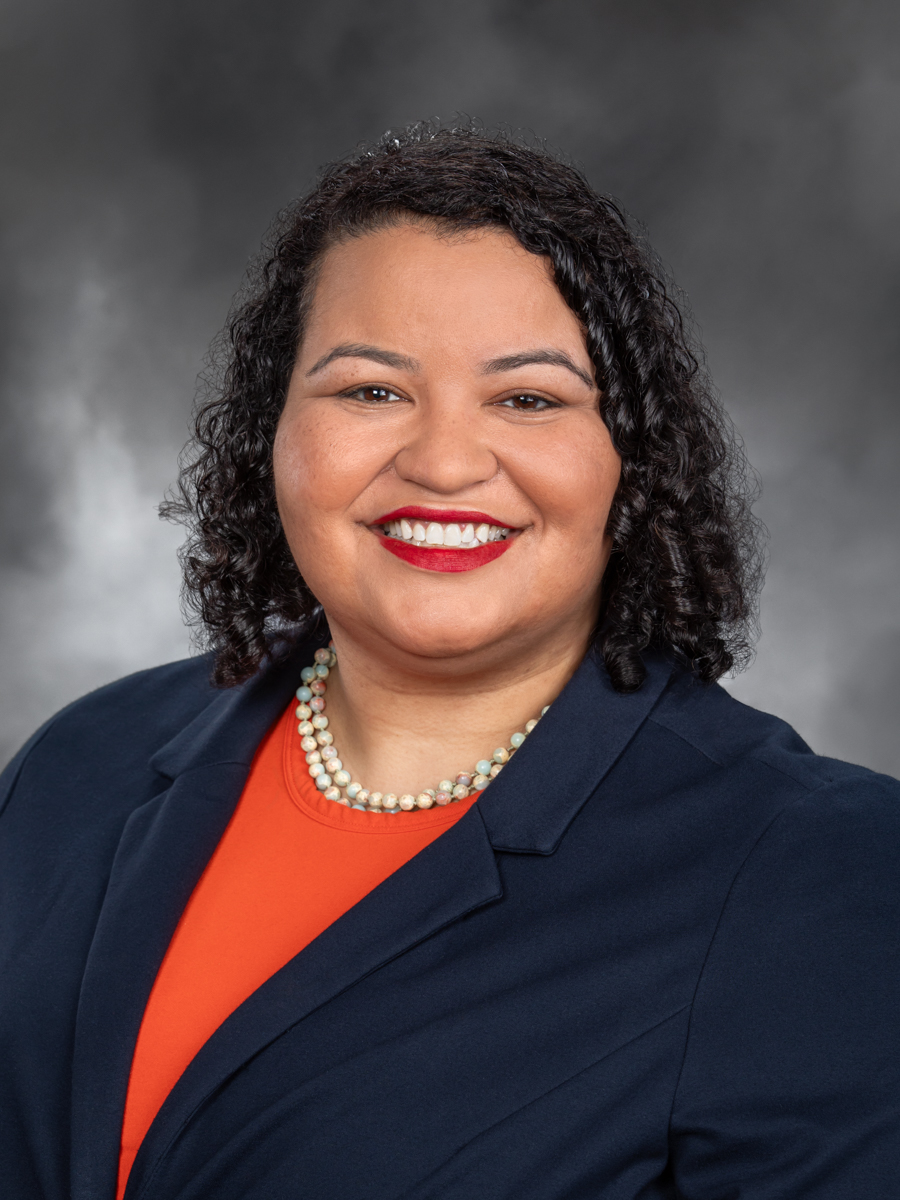
Photo of Julia Reed
D Washington House · District 36 On the 2026 ballot

Rep. Julia Reed

Compare
Total votes
2,532
all sessions
Attendance
99%
15 missed
Near the chamber average
With party
98%
of cast votes
Near the chamber average
Bipartisan score
1%
crosses aisle rarely
Near the chamber average
Sponsored
1,244
bills & resolutions
Higher than 97% of chamber peers
Committees
4
assignments
1,244 bills and resolutions

Sponsored bills

Total
1,244
Primary
42
Co-sponsor
1,202
This page
1,244
matching current filters
Co-sponsor HB 2270
In committee · Washington House · Co-sponsor
Providing specified flexibility for use of lodging tax revenues for small cities.

Maddy summaryHB 2270 allows small Washington cities (population under 5,000) to use up to 15% of their prior year's lodging tax revenue for infrastructure, secondary roads, recreational facilities, and tourist law enforcement - previously restricted to tourism promotion or facilities. Cities must hold public hearings, publish notices in local media, and seek community input before shifting funds. The bill amends existing law to create this flexibility while maintaining tourism funding as the primary requirement for lodging tax revenues.

In committee Jan 12, 2026 1 co-sponsor
Co-sponsor HB 2162
In committee · Washington House · Co-sponsor
Establishing a public interest law grant program and a business and occupation tax credit for approved contributions to the program account.

Maddy summaryHB 2162 creates a program to help new lawyers working as prosecutors or public defenders pay student loans by offering annual grants of up to $10,000 per year. It funds these grants through a tax credit for law firms that contribute to a dedicated account, allowing firms to claim a business and occupation tax credit equal to their contribution (up to $20,000 annually). The law requires the program to begin by 2027, with grants awarded based on available funds, and mandates annual reports on participation and spending. This bill directly affects public defense/prosecution lawyers and participating law firms, aiming to improve recruitment and retention in these roles through financial incentives. The program expires December 31, 2038.

In committee Jan 12, 2026 1 co-sponsor
Co-sponsor HB 2147
In committee · Washington House · Co-sponsor
Providing funding for school materials, supplies, and operating costs.

Maddy summaryHB 2147 increases state funding for school materials, supplies, and operating costs in Washington State to address inflation-driven budget shortfalls affecting school districts. It establishes a new funding formula based on prototypical schools (600 high school students, 432 middle school students, 400 elementary students) with specific class size standards (e.g., K-3 at 17 students per teacher) and minimum staffing allocations. The bill requires transparency by mandating the Superintendent of Public Instruction to publish per-pupil funding reports online, which school districts must link to their websites. It also includes targeted provisions for career-technical education, lab science class size reduction, and high-poverty schools with over 50% free/reduced lunch eligibility. The legislation amends existing law (RCW 28A.150.260) to adjust funding allocations based on actual student enrollment and school type.

In committee Jan 12, 2026 1 co-sponsor
Co-sponsor HB 2164
In committee · Washington House · Co-sponsor
Reducing litigation costs by removing barriers to postconviction DNA testing.

Maddy summaryHB 2164 simplifies access to DNA testing for people convicted of felonies in Washington state who seek to prove innocence. It requires courts to approve such requests unless the state proves with "clear and convincing evidence" the DNA could not demonstrate innocence. The bill removes prior barriers that forced convicted people to prove DNA testing met scientific standards at trial or was unavailable at the time. This affects courts, prosecutors, and crime labs by streamlining postconviction DNA testing while preserving evidence as required by law.

In committee Jan 12, 2026 1 co-sponsor
Co-sponsor HB 2184
In committee · Washington House · Co-sponsor
Concerning occupational therapists performing intramuscular needling.

Maddy summaryHB 2184 requires Washington State occupational therapists to obtain a special "intramuscular needling endorsement" before performing this specific pain treatment technique. To qualify, therapists must complete 325 hours of training (including 100 hours of anatomy/pain management education, 75 hours of hands-on technique practice, and 150 supervised patient sessions) plus one year of full-time clinical experience. The endorsement process involves documentation of training and a clinical review by a qualified provider (such as a physician or licensed physical therapist). This bill directly affects occupational therapists seeking to offer intramuscular needling as part of their practice. It does not change other occupational therapy services but adds specific requirements for this technique.

In committee Jan 12, 2026 1 co-sponsor
Co-sponsor HB 2177
In committee · Washington House · Co-sponsor
Modifying the vital statistics definition of fetal death.

Maddy summaryHB 2177 amends Washington State's definition of "fetal death" in vital records laws. The bill specifies that a fetal death must show no signs of life after expulsion/extraction and either meet 20+ weeks of gestation (calculated from last menstrual period) or weigh 350 grams, while excluding induced pregnancy terminations. This change affects how medical providers and health departments record and report fetal deaths for official statistics. The amendment ensures consistency in tracking fetal deaths for public health data without altering abortion access or medical procedures.

In committee Jan 12, 2026 1 co-sponsor
Co-sponsor HB 2163
In committee · Washington House · Co-sponsor
Clarifying public defense caseload standards for local jurisdictions.

Maddy summaryHB 2163 amends Washington state law to require counties and cities to adopt specific standards for public defense services, directly affecting local jurisdictions that provide legal representation to indigent defendants. The bill mandates that these standards include clear case load limits for attorneys, compensation details, attorney qualifications, handling of expert witness fees, and procedures for monitoring and evaluating service quality. It removes previous language requiring local standards to follow Washington State Bar Association guidelines, instead making those guidelines optional references. The law aims to clarify minimum requirements for public defense systems while allowing jurisdictions to align with court rules where possible.

In committee Jan 12, 2026 1 co-sponsor
Co-sponsor HB 2195
In committee · Washington House · Co-sponsor
Concerning city initiatives and referendums.

Maddy summaryHB 2195 requires noncharter code cities in Washington with 30,000 or more residents to implement initiative and referendum processes within one year of reaching that population threshold. Cities with fewer than 30,000 residents may choose to adopt these processes through specific municipal procedures. The bill standardizes petition requirements to 25% of votes cast in the last citywide election (or city council election if no citywide race exists) and clarifies that certain emergency ordinances may bypass the standard 30-day waiting period before taking effect. These changes apply to all noncharter cities and amend multiple statutes governing local ballot measures.

In committee Jan 12, 2026 1 co-sponsor
Co-sponsor HB 2204
In committee · Washington House · Co-sponsor
Concerning the health technology assessment program.

Maddy summaryHB 2204 amends Washington State's health technology assessment program to improve how medical technologies (like drugs or devices) are reviewed for coverage in state health programs. It requires the state to prioritize reviewing technologies with Medicare relevance, safety concerns, high costs, or significant usage variations, and mandates systematic evidence-based assessments by federal-designated centers. The bill requires annual reviews of covered technologies (every 18 months), includes public comment periods, and ensures decisions align with federal Medicare guidelines unless new evidence supports a different conclusion. This directly affects Washington's Medicaid programs, healthcare providers, technology manufacturers, and patients by shaping which treatments qualify for state-covered benefits.

In committee Jan 12, 2026 1 co-sponsor
Co-sponsor HB 2193
In committee · Washington House · Co-sponsor
Concerning the mortgage lending fraud prosecution account.

Maddy summaryHB 2193 creates a dedicated fund to prosecute mortgage lending fraud by adding a $5 surcharge on most deed of trust recordings in Washington. County auditors collect this fee (keeping 5% for administration) and send the rest to the state treasurer, depositing it into the new "mortgage lending fraud prosecution account." The Department of Financial Institutions manages these funds, using them exclusively for criminal prosecutions of mortgage fraud, in consultation with the Attorney General and local prosecutors. The bill applies to standard deed of trust recordings but excludes assignments or substitutions of previously recorded deeds.

In committee Jan 12, 2026 1 co-sponsor
Showing 271 to 280 of 1,244 bills
Previous 1 … 27 28 29 … 125 Next