

Maddy summaryHB 2332 regulates how Washington state and local agencies use automated license plate reader (ALPR) systems to protect driver privacy. It requires all agencies using ALPRs to register systems with the Attorney General, limits their use to specific purposes (like checking stolen vehicles or missing persons), and prohibits collecting data near healthcare facilities, schools, or places of worship. The bill mandates detailed audit trails tracking every system access and explicitly bans using ALPRs for immigration enforcement or stopping vehicles based solely on a system match. Agencies must develop policies for ALPR use and obtain independent reasonable suspicion before stopping a vehicle, ensuring privacy rights under state and federal law.
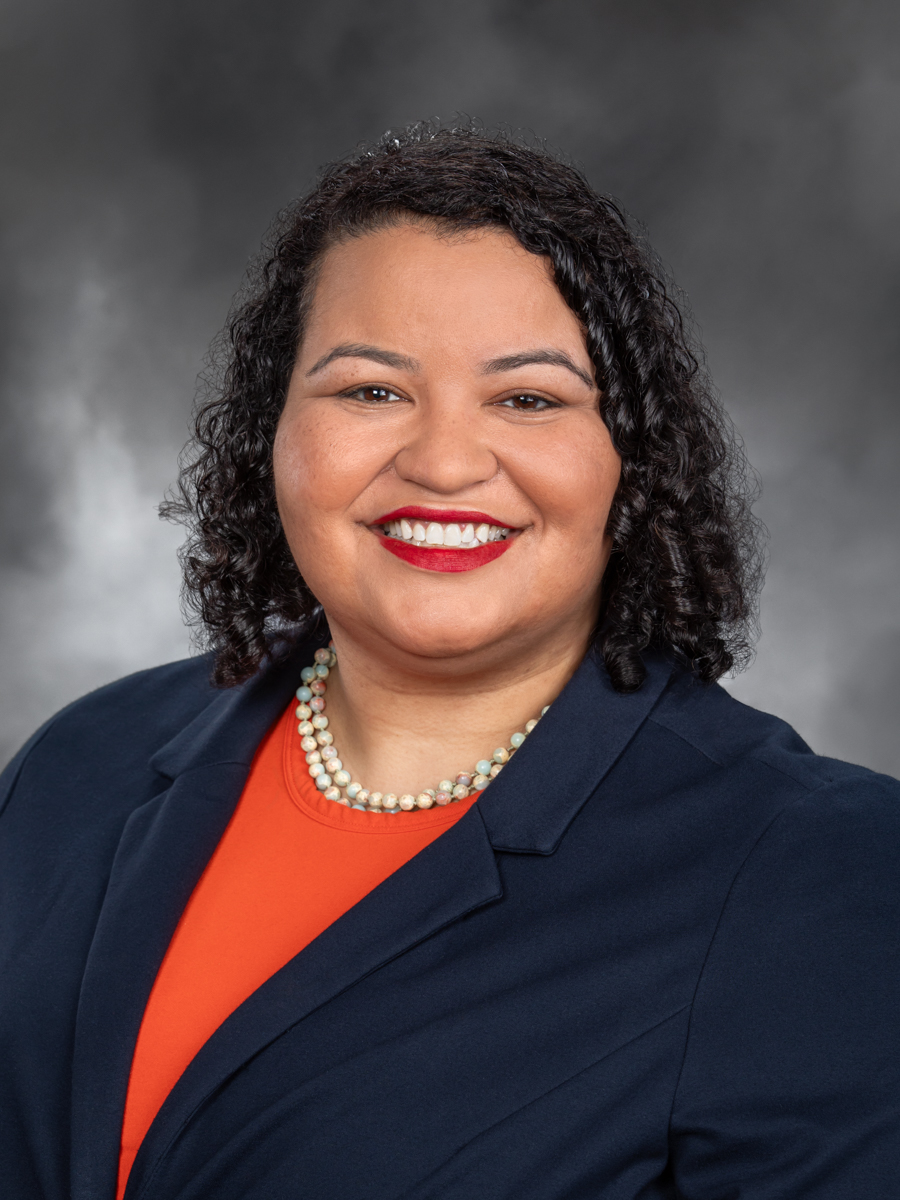
Rep. Julia Reed
Sponsored bills
Maddy summaryHB 2279 requires Washington's Department of Agriculture to evaluate the use of PFAS chemicals (known as "forever chemicals") in agricultural fertilizers and pesticides. By December 2026, the department must establish criteria to assess these chemicals, and starting in December 2027, it will review new fertilizer and pesticide registrations against these standards. Products containing PFAS that fail to meet the criteria may be refused or canceled for registration. This directly affects fertilizer and pesticide manufacturers, as well as farmers who rely on these agricultural products. The bill does not ban PFAS outright but creates a new review process for future product registrations.
Maddy summaryHB 2581 expands the options electric utilities can use to meet 20% of their greenhouse gas neutral compliance requirement under Washington’s Clean Energy Transformation Act. It allows utilities to count investments in specific projects - such as upgrading transmission systems, enabling distributed energy resources, installing EV charging infrastructure (including for low-income communities), and addressing transmission constraints - toward this 20% target. Each $1 million spent on these qualifying projects counts as 0.25% toward the utility’s compliance obligation. The bill applies directly to Washington’s retail electric utilities required to achieve greenhouse gas neutrality by 2030. It does not change the core requirement that 80% of electricity must come from renewable or nonemitting sources.
Maddy summaryHB 2415 requires Washington's Department of Social and Health Services to investigate unexpected deaths of residents in state-run facilities (including hospitals, residential habilitation centers, and state-operated living alternatives). It mandates a review team with relevant expertise to examine each case, develop safety recommendations, and issue a public report within 120 days, including details on prior abuse/neglect reports if applicable. The department must also create and post a corrective action plan addressing review findings online within 120 days. This applies to all facilities operated by the department providing residential or inpatient care, with strict confidentiality protections for the review process itself.
Maddy summaryHB 2102 eliminates certain unenforceable legal financial obligations (LFOs) for offenders in Washington State, including costs, fees, and accrued interest on restitution or other debts. It automatically voids these debts after the bill’s effective date, prohibits courts from accepting payments for them, and allows judges to waive uncollectible portions of LFOs upon offender request. The bill also stops interest accrual on criminal fines and fees as of June 7, 2018, and updates collection procedures for existing debts. This directly affects individuals with outstanding criminal or civil LFOs, particularly those deemed uncollectible. The law clarifies that courts may not enforce or collect these specific debts while preserving mechanisms for individual court-based relief.
Maddy summaryHB 2103 allows Washington cities, towns, and public utilities to contract for the *potential power generation capacity* (not just actual output) of renewable or nonemitting electric projects, such as wind or solar. It removes previous restrictions limiting contracts to specific "qualified alternative energy resources" and expands eligibility to align with current clean energy standards under RCW 19.405.020. Key provisions require public entities to pay for this capacity regardless of project completion or output issues, and payments cannot be reduced based on project performance. This bill aims to accelerate clean energy investment by giving local governments greater flexibility to secure future power needs.
Maddy summaryHB 2148 creates Washington's "pay it forward" program to help graduate students cover tuition and fees at public universities. The program provides funding for up to four years of study (or 125% of a program's length), minus any existing state financial aid, for students at University of Washington, Washington State University, regional universities (Western, Central, Eastern), or The Evergreen State College. Participants repay the program after graduation by contributing a percentage of their income (3.5% for regional universities/state college, 5% for state universities) for up to 15 years, with payments tied to the credits taken during their studies. Funding comes from state appropriations, participant contributions, and private donations, held in a dedicated trust fund managed by the Student Achievement Council.
Maddy summaryHB 2576 amends Washington State's address confidentiality program to help victims of domestic violence, sexual assault, stalking, trafficking, and harassment (including election officials, criminal justice workers, and healthcare providers facing threats) keep their real home addresses private. It allows eligible individuals to use a substitute address designated by the Secretary of State instead of their actual address for all official purposes. State agencies must then accept this substitute address for correspondence and public records, preventing disclosure of the participant’s actual location to potential assailants. The bill updates definitions and eligibility criteria to expand protections while ensuring participants can safely access services like property ownership without public address disclosure.
Maddy summaryHB 2571 changes how medical expense evidence is used in lawsuits against local governments in Washington State. It prohibits using billed medical, hospital, or similar expense amounts to prove damages in civil cases or related arbitration/mediation for personal injuries. Instead, plaintiffs must show only the actual amount they paid for these expenses. This applies to all local governments, including cities, counties, school districts, hospital districts, and other special districts defined in the bill. The law directly affects injury victims suing local entities over medical costs.
Maddy summaryHB 2560 creates a new state-funded model to support residential pediatric recovery centers that provide nonmedical care for infants born with prenatal substance exposure (e.g., to opioids or methamphetamines) and their families. The bill requires the state to seek federal approval for direct payments to these centers by July 2027 and to provide interim grants using opioid settlement funds until then. It aims to replace lengthy hospital stays in neonatal intensive care units with a family-centered approach that promotes bonding and helps keep infants with parents in recovery. The new funding will cover services like caregiver coaching, bonding activities, and transition planning to support safe home reunification.