

Maddy summaryHB 2118 prevents homeowners' associations in Washington from imposing stricter rules on unit or lot owners than those in place when the owner purchased their property, unless the owner agrees in writing. Owners claiming this protection must request and pay to record an exception documenting their original restrictions. The law does not apply to rules required by law, and new buyers generally cannot use this protection unless they inherited the property or bought it through foreclosure. The bill expires January 1, 2028, and affects all common interest communities (like condos and planned developments) statewide.
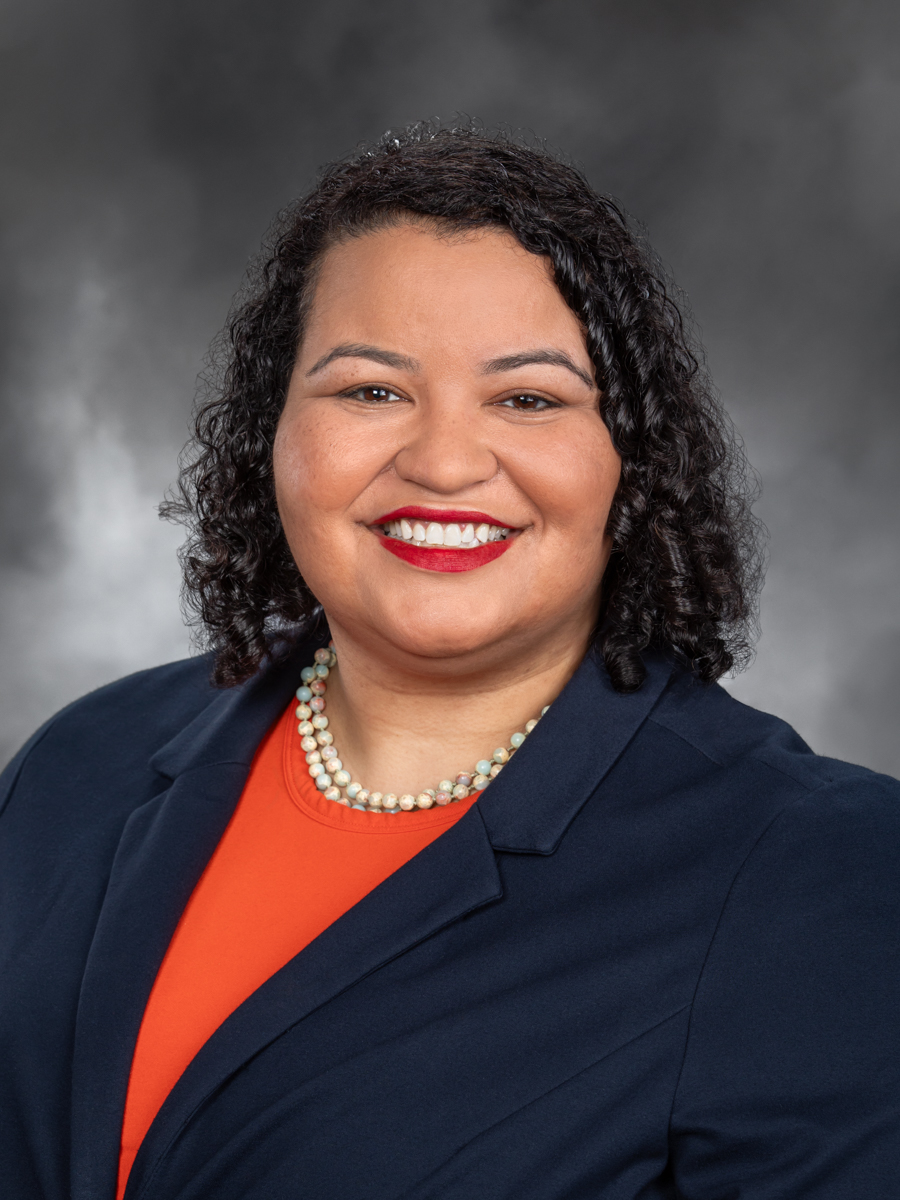
Rep. Julia Reed
Sponsored bills
Maddy summaryHB 2173 prohibits Washington law enforcement officers from wearing facial coverings (like balaclavas or ski masks) during routine public interactions, while allowing exceptions for active undercover operations and protective gear used by specialized units like SWAT teams. The bill defines "facial covering" to exclude medical masks, helmets, and clear face shields. It also establishes that individuals detained in violation can sue officers for financial compensation, attorney fees, or other court-ordered remedies. The law applies to all "peace officers" as defined under state law during standard public duties.
Maddy summaryHB 2100 imposes a tax on large Washington companies for payroll expenses exceeding $125,000 per employee (mirroring the federal Medicare surtax threshold), effective July 2026. The tax revenue will fund the "Well Washington Fund," with 51% of annual revenues dedicated to supporting health care (including Medicaid), higher education, food assistance (SNAP), and energy/housing programs. The bill creates an oversight board of 25 legislative members to manage fund allocations, ensuring resources target services most impacted by federal budget cuts. This policy directly affects large operating companies with significant payroll, aiming to offset projected losses in state services from federal legislation.
Maddy summaryHB 2612 protects revenues from specific state surcharges by mandating their direct deposit into Washington's workforce education investment account. The bill requires all funds from the workforce investment surcharge (RCW 82.04.299) and specified revenues (RCW 82.04.290(2)(c)) to be placed solely in this account, with spending limited to higher education programs, workforce development, and student aid. Crucially, it prohibits using these funds to replace or reduce existing state, federal, or local education funding - ensuring they provide supplemental support only. This directly affects state higher education institutions and workforce programs that rely on these designated funds.
Maddy summaryHB 2260 requires signature gatherers (people collecting signatures for ballot initiatives) to sign a declaration on each petition sheet confirming they verified each signer's identity, address, and that no one was paid to sign. It also mandates matching petitioners' addresses to their voter registration records to prevent fraud. These changes aim to improve signature verification accuracy by ensuring addresses on petitions match registration data, reducing errors in validating signatures. The bill aligns with requirements in other states like Idaho and California and responds to issues where unsigned declarations and missing addresses led to potential signature validation errors.
Maddy summaryHB 2602 establishes protections against immigration enforcement in Washington's early learning centers, schools, health care facilities, and colleges. The bill prohibits these institutions from collecting immigration or citizenship status information from students or patients and requires immigration officers to present a valid judicial warrant, subpoena, or court order to enter nonpublic areas like classrooms or patient treatment rooms. It also mandates that facilities designate nonpublic areas and document denials of access to immigration officers. These provisions apply to all Washington residents using these public accommodations, aiming to safeguard privacy and safety during essential services.
Maddy summaryHB 2259 requires initiative and referendum proponents to gather at least 1,000 valid signatures from Washington voters *before* filing a measure with the secretary of state, aiming to prevent duplicate filings and ensure minimum public support. It also bans paying signature gatherers based on the number of signatures collected - a practice linked to documented fraud in past measures like 2008’s Initiative 985 and 2012’s Initiative 1185. The bill mandates these changes to protect ballot integrity, citing evidence that per-signature compensation incentivizes forged or duplicate signatures. These provisions apply directly to ballot measure sponsors, circulators, and state offices processing petitions, aligning with similar laws in Oregon and Montana.
Maddy summaryThis constitutional amendment would establish a non-partisan commission to redraw Washington's congressional and state legislative districts following each federal census. The commission would consist of five members: four appointed by legislative leaders (with a non-voting chair), all required to be non-partisan and not current elected officials. It mandates districts be population-equal with geographic fairness, prohibits partisan gerrymandering, and requires completion by November 15 after the census - otherwise the Supreme Court would create a plan by April 30. The change directly affects how voting districts are drawn for all state and federal elections in Washington.
Maddy summaryHB 2128 creates a new "sports entertainment facility license" allowing venues where patrons pay to engage in sports, amusement, or recreational activities (like arenas or event spaces) to serve beer, wine, and spirits on-site. The license costs $3,750 annually and requires venues to offer food options like sandwiches or salads, while considering facility layout and seating. It also establishes special endorsements: $525 for catered events (with sponsor rules) and $180 for selling locally bottled wine off-premises (beer/spirits cannot be sold off-site). The bill restricts brand advertising partnerships to prevent product exclusivity and mandates reporting on these arrangements to the legislature.
Maddy summaryHB 2409 extends collective bargaining rights to agricultural employees in Washington State, including farmworkers and those in food processing, packing, and distribution. It places these workers under the jurisdiction of the Public Employment Relations Commission (PERC), allowing them to negotiate wages, hours, and working conditions through elected representatives. The bill defines key terms (like "agricultural employee" and "bargaining representative") and requires PERC to handle disputes while addressing barriers like language differences and seasonal work patterns. This policy change directly affects agricultural employers and workers, shifting their labor relations under state law rather than federal oversight.