

Maddy summaryHB 2553 regulates how insurance proceeds are handled for residential property insurance claims involving mortgagee clauses. It requires insurers to pay at least 50% of proceeds directly to homeowners (not the mortgage company) unless the mortgage is ≤25% of the home's value and in good standing. The bill also mandates mortgage companies to promptly distribute contents insurance proceeds to homeowners and pay repair-related funds within two business days after approved work. This affects homeowners with mortgages, insurers, and mortgage lenders in Washington, taking effect January 1, 2027.
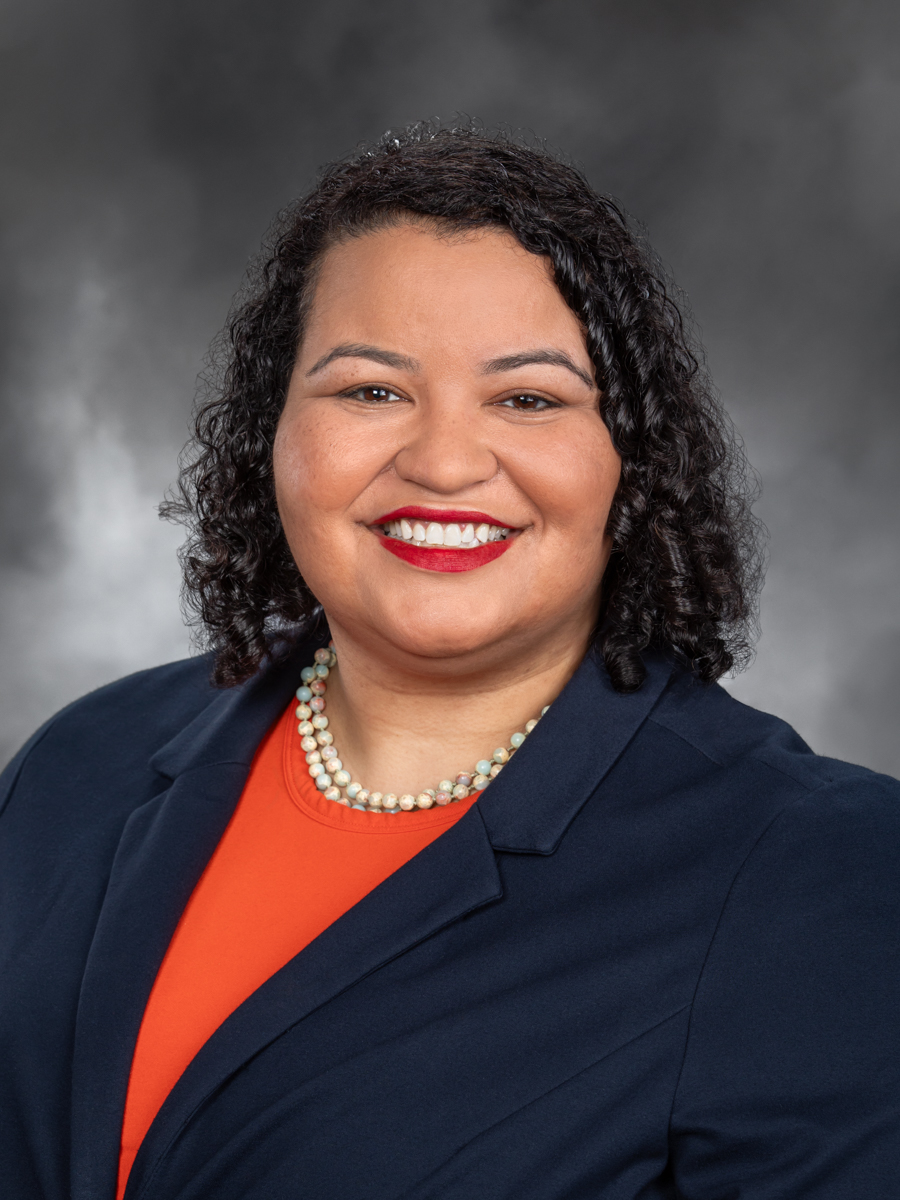
Rep. Julia Reed
Sponsored bills
Maddy summaryThis is a ceremonial House resolution (not a policy bill) introduced on January 19, 2026, by multiple Washington State Representatives. It formally recognizes Dr. Martin Luther King Jr.'s life, legacy of nonviolent activism, and contributions to civil rights, including his role in the Civil Rights Act of 1964 and Voting Rights Act of 1965. The resolution expresses the House's commitment to upholding Dr. King's ideals of equality, justice, and opportunity for all. As a symbolic gesture, it does not create new laws, allocate funds, or affect any specific individuals or groups.
Maddy summaryHB 2265 requires landlords in Washington state to allow tenants to install portable air conditioners or evaporative coolers (like window units or floor models) without restriction, unless specific safety or structural concerns apply. Landlords may only prohibit such devices if installation violates building codes, damages property, exceeds electrical capacity, or conflicts with window egress requirements - prioritizing tenants with disabilities requiring cooling. The bill mandates landlords provide written lease notices detailing tenant rights and restrictions, and shields landlords from liability for tenant-installed device issues. This directly affects all residential tenants in Washington, particularly those in buildings without permanent AC during extreme heat events.
Maddy summaryHB 2096 would allow Washington's Department of Licensing to issue special confidential identification cards (like drivers' licenses or identicards) **only to investigators working for the Attorney General's office** during undercover or covert civil or criminal law enforcement operations. These cards would have standard expiration dates but could **only be used while the investigator is actively assigned to an undercover operation**. The bill also gives the Department's director authority to create rules for applying for and using these confidential IDs. It specifically restricts this special identification to Attorney General investigators, not general law enforcement officers.
Maddy summaryHB 1652 requires ocean-going vessels operating within three nautical miles of Washington's shoreline to use low-sulfur fuel (max 0.1% sulfur) in all engines and auxiliary boilers starting January 1, 2028. It directly affects commercial vessels over 400 feet long, over 10,000 gross tons, or equipped with large marine engines, excluding tugboats and tank vessels meeting specific size criteria. The bill mandates detailed record-keeping of fuel types, sulfur content, and fuel-switching procedures during port visits. These requirements aim to reduce harmful air pollution from vessel emissions near Washington communities and shorelines.
Maddy summaryWashington State's HB 2233 prohibits retail stores from providing single-use plastic carryout bags made of film plastic (under 10 mils thick) starting January 1, 2021. Instead, stores must offer compliant paper bags containing recycled content or nonwood renewable fiber (like wheat straw), with a pass-through charge for these bags to encourage reusable bag use - exempting customers using state assistance programs. The bill directly affects retail establishments (including grocery stores, farmers markets, and online vendors) and their customers who purchase bags. Its goal is to reduce plastic waste, litter, marine pollution, and resource burdens by shifting to more sustainable bag options.
Maddy summaryHB 2493 expands rights and support for survivors of sexual violence, including those affected by female genital mutilation (FGM), in Washington state. It amends statutes to require courts to appoint representatives for defendants representing themselves in sexual assault cases to question victims, and allows minors aged 13+ to consent to forensic exams for strangulation-related domestic violence. The bill also broadens definitions of sexual assault, mandates trauma-sensitive victim services, and guarantees survivors access to medical exams, advocates, and updates on case progress. These changes directly affect survivors, law enforcement, courts, and community sexual assault programs by embedding victim-centered approaches into legal procedures.
Maddy summaryHB 2519 requires Washington utilities (electric, gas, and water providers) to offer phased discounts on rates to public school districts, charter schools under RCW 28A.710, and state-tribal education compact schools. Starting January 1, 2027, discounts begin at 10% and increase incrementally to 60% by 2032, with annual adjustments thereafter. Utilities must recover the lost revenue from these discounts through rates charged to other customers, not through new taxes or direct school funding. The bill aims to reduce operational costs for schools, which face rising utility expenses for electricity, gas, and water.
Maddy summaryHB 2494 updates Washington’s asbestos worker and supervisor certification requirements under RCW 49.26.110. It mandates that certified asbestos workers complete a four-day training course and supervisors a five-day course, both approved by the Department of Labor & Industries (L&I). The bill explicitly limits L&I’s rulemaking authority to adopting rules only "specifically required" to meet federal standards for asbestos work, preventing stricter state rules than federal law. This directly affects asbestos workers, supervisors, and contractors needing certification for state-regulated asbestos removal or encapsulation projects.
Maddy summaryHB 2497 addresses the 70% rise in child fatalities and near-fatal abuse cases by supporting families involved with child welfare services. The bill requires the state to provide legal counsel and parent allies for pregnant individuals or new parents at risk of child removal, assign public health nurses to parents of children under four with active investigations, and expand the Parent-Child Assistance Program in high-need areas for families with substance use issues. It also mandates specialized training for child welfare supervisors on safety assessments and improves connections to community services. These changes aim to keep children safe at home while addressing root causes like substance use and lack of support.