

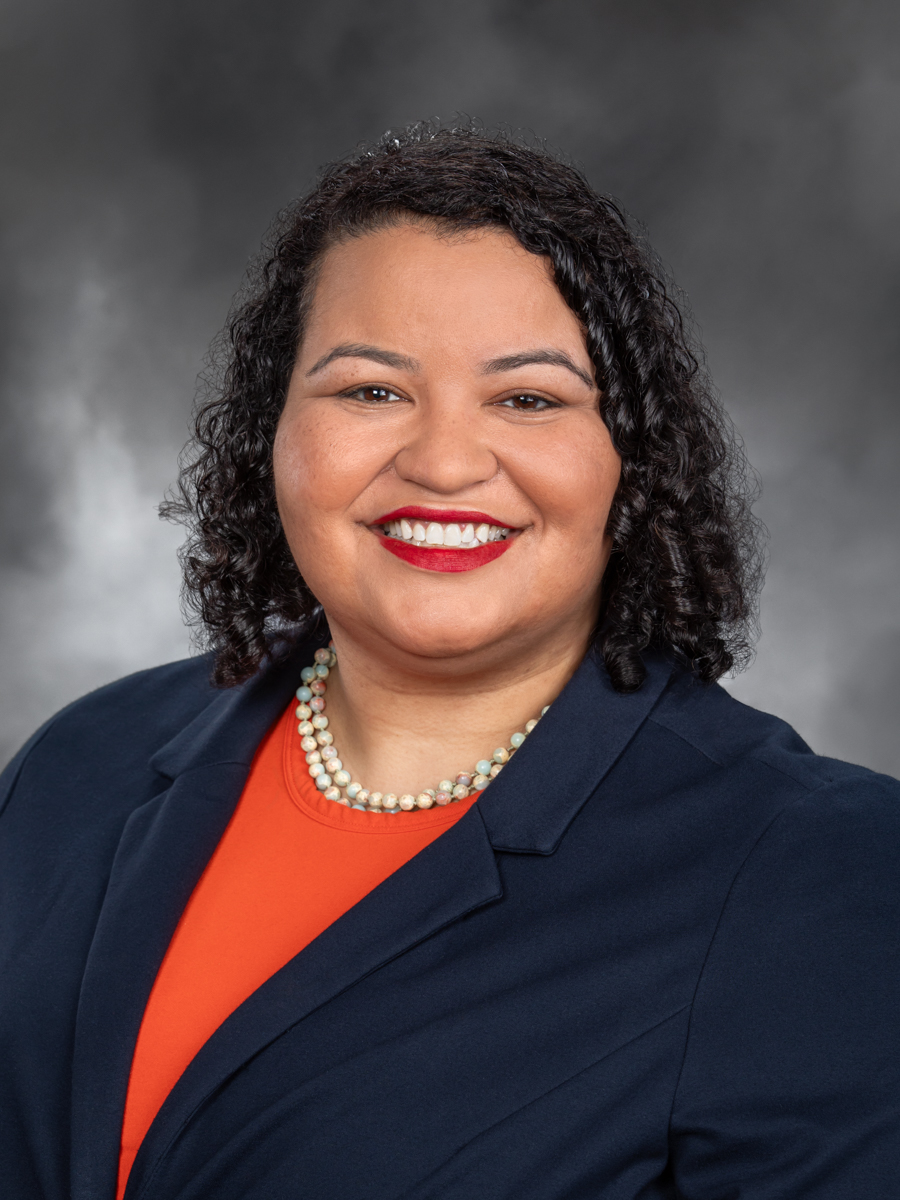
Photo of Julia Reed
D Washington House · District 36 On the 2026 ballot

Rep. Julia Reed

Compare
Total votes
2,532
all sessions
Attendance
99%
15 missed
Near the chamber average
With party
98%
of cast votes
Near the chamber average
Bipartisan score
1%
crosses aisle rarely
Near the chamber average
Sponsored
1,244
bills & resolutions
Higher than 97% of chamber peers
Committees
4
assignments
1,244 bills and resolutions

Sponsored bills

Total
1,244
Primary
42
Co-sponsor
1,202
This page
1,244
matching current filters
Co-sponsor HB 2455
In committee · Washington House · Co-sponsor
Creating a housing assistance pilot program for youth enrolled in extended foster care.

Maddy summaryHB 2455 creates a two-year housing assistance pilot program for up to 50 youth in Washington's extended foster care system who are homeless or at imminent risk of homelessness. The program provides rental assistance covering up to 24 months (until age 21), with participants paying no more than 30% of their income toward rent, based on local fair market rent. It requires the Department of Children, Youth, and Families to conduct transition planning for youth turning 21 and mandates a 2029 report detailing program outcomes, participant demographics, and costs by county. The bill directly affects youth aged 18-21 in extended foster care who face housing instability while navigating federal housing programs.

In committee Jan 28, 2026 1 co-sponsor
Co-sponsor HR 4675
Passed · Washington House · Co-sponsor
Honoring the Washington National Guard.

Maddy summaryHouse Resolution 4675, adopted on January 28, 2026, is a ceremonial resolution expressing the Washington State House of Representatives' gratitude to the Washington National Guard for their service. It specifically acknowledges the Guard's roles in emergency response (including flood operations and search-and-rescue missions), disaster recovery efforts (like adapting from the Oso landslide), and national defense support (such as aerial refueling capabilities). The resolution directs copies to the Adjutant General, Governor, and other officials but does not create new laws or alter policies. It directly honors National Guard members, their families, and employers without imposing any financial or operational requirements.

Passed Jan 28, 2026 1 co-sponsor
Co-sponsor HB 2550
In committee · Washington House · Co-sponsor
Adding certain students at certain community and technical colleges to the passengers that must be allowed to ride transit for free under the transit support grant program.

Maddy summaryHB 2550 expands Washington state's transit support grant program to include students enrolled in degree- or certificate-seeking programs at community and technical colleges as free-ride passengers. This directly affects community and technical college students and transit agencies receiving state grants, requiring them to adopt a zero-fare policy for this group to qualify for funding. Transit agencies must document this policy by October 1, 2022, and track trips taken under the program. The bill amends existing law to add these students to the existing free-ride eligibility for youth 18 and under, with agencies aligning implementation with equity principles.

In committee Jan 28, 2026 1 co-sponsor
Co-sponsor HB 2243
In committee · Washington House · Co-sponsor
Including physical and occupational therapists as attending providers for workers' compensation.

Maddy summaryHB 2243 adds physical and occupational therapists to the list of authorized "attending providers" for workers' compensation claims in Washington State. The bill amends statutes (RCW 51.08.200, 51.28.010, and others) to explicitly include these professionals, alongside physicians and other licensed providers, when treating injured workers. This change directly affects injured workers who require physical or occupational therapy, allowing them to receive care from these specialists under workers' compensation. The law updates provider eligibility requirements and reporting procedures to reflect this expansion, ensuring therapists are recognized in the claims process.

In committee Jan 28, 2026 1 co-sponsor
Co-sponsor HB 2129
In committee · Washington House · Co-sponsor
Fortifying agritourism.

Maddy summaryWashington's HB 2129 eliminates county permitting requirements for agritourism activities on agricultural land. It authorizes events like corn mazes, farm festivals, guided tours, and on-site food sales without county approval, while requiring compliance with public health and safety codes. The bill defines "agritourism" broadly to include educational programs, petting zoos, harvest-your-own operations, and recreational farming activities. This directly affects Washington farmers and ranchers who host public-facing agricultural experiences on their land.

In committee Jan 28, 2026 1 co-sponsor
Co-sponsor HB 2227
In committee · Washington House · Co-sponsor
Providing a real estate excise tax exemption for the sale of qualified affordable housing.

Maddy summaryHB 2227 would exempt sales of "qualified affordable housing" from Washington's real estate excise tax. This bill amends the state's tax code (RCW 82.45.010) to create this specific exemption for qualifying affordable housing properties. The exemption directly affects sellers of eligible affordable housing units, reducing their tax burden when selling such properties. The bill is currently pending in the House Finance Committee after being prefaced in December 2025.

In committee Jan 27, 2026 1 co-sponsor
Co-sponsor HB 2516
In committee · Washington House · Co-sponsor
Placing a moratorium on the use of certain rodenticides.

Maddy summaryHB 2516 places a two-year moratorium (January 2027-December 2028) on the use of anticoagulant rodenticides and rodenticides containing bromethalin, prohibiting their sale and application except for limited emergencies like drinking water protection or disease control. The bill requires the Washington State Academy of Sciences to study rodenticide impacts on wildlife and research safer alternatives, with findings due by December 2028. This directly affects pest control professionals, property managers, and agricultural operations that currently use these chemicals. The moratorium expires June 30, 2029, unless extended by future legislation.

In committee Jan 27, 2026 1 co-sponsor
Co-sponsor HB 2232
In committee · Washington House · Co-sponsor
Improving system outcomes for time-sensitive emergencies.

Maddy summaryHB 2232 creates a statewide data repository to improve care for time-sensitive emergencies like heart attacks, strokes, and traumatic injuries. It requires hospitals with specialized trauma, cardiac, or stroke care, along with emergency medical services, to submit quarterly data starting in 2031 on the incidence, severity, and outcomes of these emergencies. The repository will analyze trends to evaluate care quality and patient outcomes, with annual reports beginning in 2033. The bill also mandates an electronic emergency medical services data system, including new data on suspected drug overdoses to support prevention efforts. This affects all hospitals providing trauma, cardiac, or stroke care across Washington State.

In committee Jan 27, 2026 1 co-sponsor
Co-sponsor HB 2381
In committee · Washington House · Co-sponsor
Concerning performance-based building codes for low-rise residential buildings.

Maddy summaryHB 2381 creates a performance-based compliance pathway for low-rise residential buildings (1-6 stories, up to 24 units) in Washington, replacing rigid prescriptive building code requirements. It directs the State Building Code Council to develop a new appendix to the building code, allowing builders to demonstrate compliance through measurable performance standards (like structural safety or energy efficiency) instead of specific construction methods. This system enables reuse of certified designs across jurisdictions, reduces redundant permitting reviews, and aligns with existing energy and emissions programs. The bill directly affects builders, developers, and local building departments by streamlining approvals and supporting industrialized housing production to address the state's housing shortage.

In committee Jan 27, 2026 1 co-sponsor
Co-sponsor HB 2313
In committee · Washington House · Co-sponsor
Concerning publicly owned grocery stores.

Maddy summaryHB 2313 authorizes Washington cities to establish publicly owned grocery stores in underserved areas with food access gaps. Cities can acquire property (including via eminent domain), apply for state capital grants covering building rehabilitation and 24-hour "food locker systems," and use tax increment financing to fund store development and infrastructure. The bill requires annual reporting on financial status, community access, jobs created, and for third-party operated stores, sales data and compliance with contractual benchmarks like local produce sourcing. This directly affects cities seeking to address food insecurity through municipal grocery initiatives.

In committee Jan 27, 2026 1 co-sponsor
Showing 191 to 200 of 1,244 bills
Previous 1 … 19 20 21 … 125 Next