

Maddy summaryHB 2212 requires new commercial and industrial washing machines sold in Washington to include microfiber filters that capture tiny plastic fibers (under 5mm) starting July 1, 2028, with existing machines needing filters by July 1, 2034. It mandates clear labeling on machines and regular filter maintenance to prevent microplastics - released in high numbers per laundry load - from entering waterways. The bill also allows for future residential machine requirements if other states adopt similar rules and costs stay below $70 per unit. Violations face civil penalties up to $10,000 per offense, enforced by the Department of Ecology. This targets a major pollution source linked to health and marine ecosystem risks.
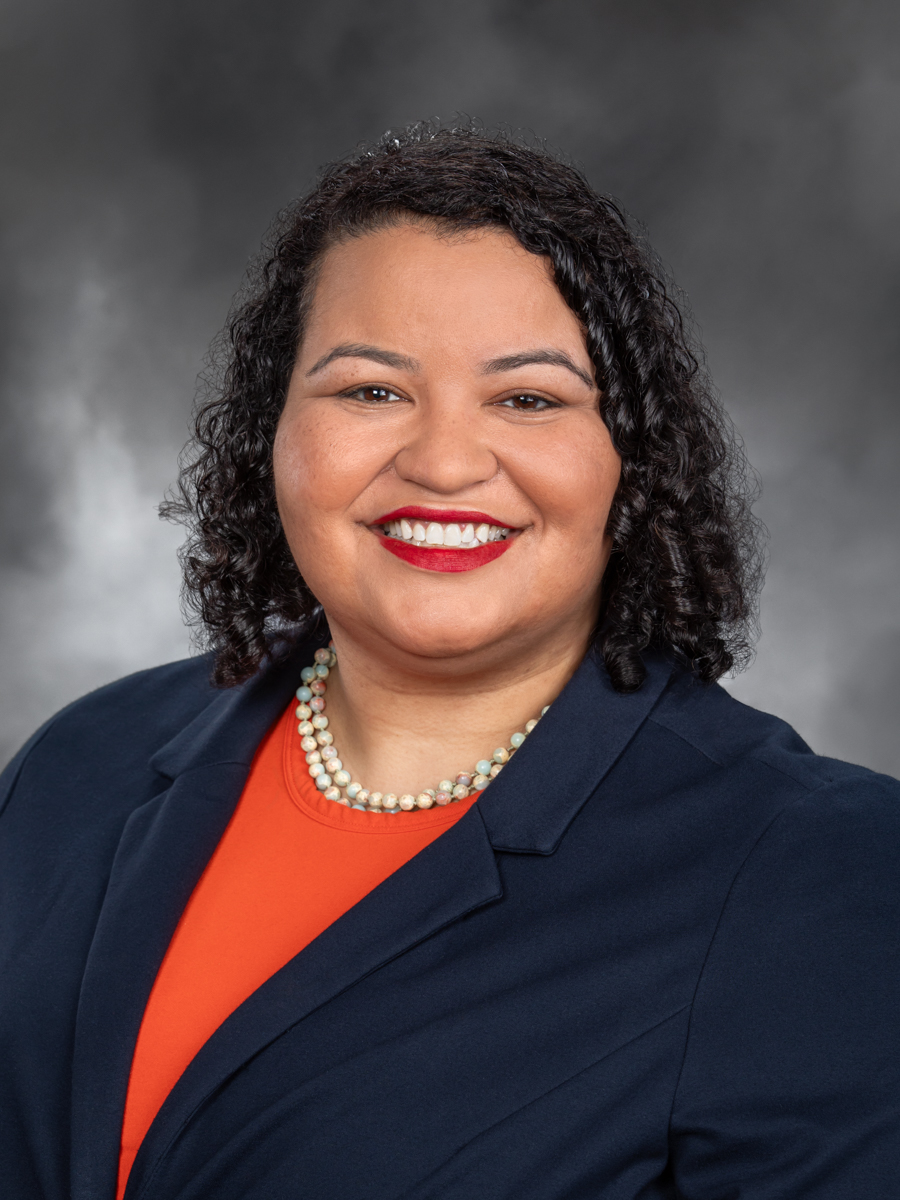
Rep. Julia Reed
Sponsored bills
Maddy summaryHB 2491 exempts certain personal information collected by Washington Technology Solutions (WaTech) from public record disclosure requirements. It directly affects WaTech, the state’s centralized IT agency, and all state agencies using its services, by creating a confidentiality shield for identifying personal data they handle. The bill amends state law to define "agency" as WaTech and establishes that personal information submitted to it for IT services is exempt from public inspection under RCW 42.56.010, ensuring such data remains confidential. This change aims to protect individual privacy while WaTech delivers IT services to state agencies, without altering how agencies must collect or correct data.
Maddy summaryHB 2419 expands Washington's address confidentiality program to include administrative law judges and staff employed by the Office of Administrative Hearings. It allows these employees, who face safety threats related to their work, to apply for a confidential address through the Secretary of State. The bill requires a sworn statement confirming safety concerns and directs the Department of Licensing to update vehicle registration records using the confidential address, ensuring their personal information remains protected.
Maddy summaryHB 2372 updates Washington state's workers' compensation benefits for permanently disabled workers with injuries occurring on or after July 1, 2026. It establishes new monthly benefit percentages based on marital status and number of dependent children, ranging from 60% of wages for unmarried workers with no children up to 75% for those with six or more children. The bill also sets minimum benefit protections (including $10 per child up to five or six children) and caps benefits at 105-120% of the state's average wage. These changes apply only to claims filed after the effective date, while pre-2026 claims remain governed by existing rules.
Maddy summaryHB 2324 creates a mandatory tuition and fee waiver for children of veterans who died or became totally disabled in active federal military service, as well as for their surviving spouses or domestic partners. To qualify, recipients must be Washington domiciliaries aged 17-26 (for children) or Washington residents (for survivors), with survivors having up to 10 years to use benefits. The waiver covers all tuition and fees (including a $500 annual stipend for textbooks), but is limited to 250 quarter credits per recipient and requires satisfactory academic progress. This policy directly affects dependents of veterans meeting specific service criteria, such as combat deployment or service-connected disability, as defined by federal standards.
Maddy summaryHB 2579 establishes two new state-funded programs to expand public media access and digital equity in Washington. It creates a public media broadcaster program prioritizing community-based, noncommercial radio/TV stations that provide public safety information and arts access, with 85% of funds going to larger organizations ($1M+ budget) and 15% to smaller rural or hyper-local broadcasters. The digital equity program funds resource coordinators and multimedia trainers at community anchor institutions (like libraries and schools) to improve internet access, online safety training, and multilingual resources for underserved communities. Both programs require annual reporting and mandate that all funding be spent within Washington.
Maddy summaryHB 1571 removes specific time limits and exposure conditions for presuming heart problems as occupational diseases among firefighters and law enforcement officers. It amends Washington’s law (RCW 51.32.185) to eliminate requirements that heart issues must occur within 72 hours of smoke exposure or 24 hours of strenuous exertion during work. This change directly affects firefighters and law enforcement officers who develop heart conditions, simplifying their path to claim benefits under workers’ compensation. The bill updates the statutory presumption to apply without these prior qualifiers, aligning with broader occupational disease protections for these professions.
Maddy summaryHB 1607 establishes a statewide recycling refund program for glass, plastic, and metal beverage containers in Washington. Under this program, consumers pay a deposit, referred to as an "applicable refund value," when purchasing covered beverages. They can then return the empty containers to designated express or full-service redemption sites to receive their refund back. The bill implements an extended producer responsibility framework, making brand owners responsible for compliance, with the goal of increasing recycling rates, reducing litter, and supporting a circular economy.
Maddy summaryHB 2217 creates a rehabilitative pathway for individuals in Washington state charged with certain non-violent, non-sex felony offenses who have no prior felony convictions. Eligible defendants may request a court to defer conviction and sentencing for up to one year, during which they must comply with conditions like community service or treatment. If they successfully complete the deferral period, the charges are dismissed; if not, they face sentencing for the original offense. The bill excludes violent offenses, most drug crimes, and certain DUI charges from eligibility.
Maddy summaryHB 2578 adds four tribal representatives to Washington's Fish and Wildlife Commission, increasing its total membership from nine to 13. Specifically, it requires the governor to appoint two tribal chairs (one from tribes east of the Cascades, one from tribes west of the Cascades) and two tribal council members as alternates for each region, all serving four-year terms. These tribal members must be elected tribal leaders whose traditional lands are in Washington and will represent all federally recognized tribes in the state. The bill amends commission composition rules in RCW 77.04.030 to formalize this tribal representation, ensuring tribal perspectives are included in fish and wildlife management decisions.