

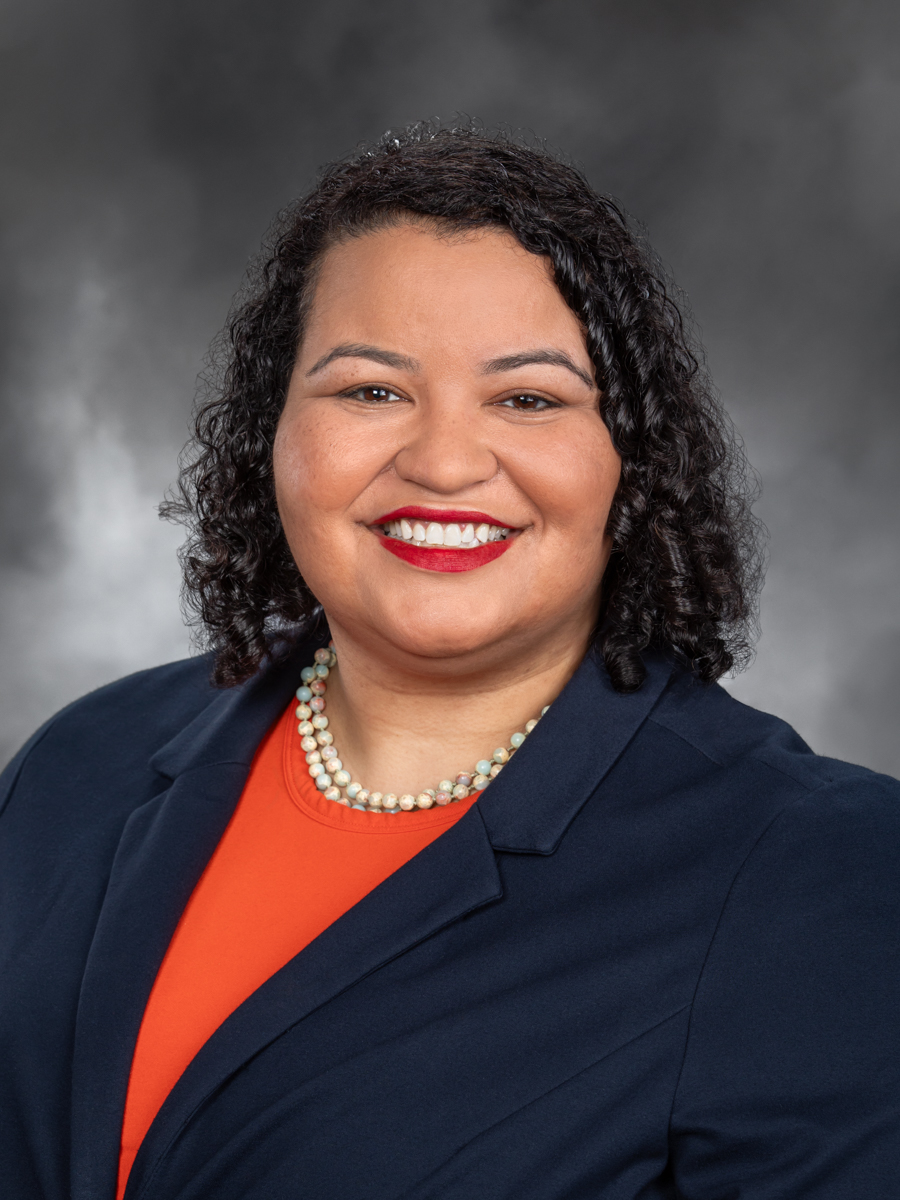
Photo of Julia Reed
D Washington House · District 36 On the 2026 ballot

Rep. Julia Reed

Compare
Total votes
2,532
all sessions
Attendance
99%
15 missed
Near the chamber average
With party
98%
of cast votes
Near the chamber average
Bipartisan score
1%
crosses aisle rarely
Near the chamber average
Sponsored
1,244
bills & resolutions
Higher than 97% of chamber peers
Committees
4
assignments
1,244 bills and resolutions

Sponsored bills

Total
1,244
Primary
42
Co-sponsor
1,202
This page
1,244
matching current filters
Co-sponsor HB 2563
In committee · Washington House · Co-sponsor
Concerning electronic notices and orders in certain unemployment compensation cases.

Maddy summaryHB 2563 allows Washington state to send unemployment compensation hearing notices and decisions electronically to claimants, with a pilot program for unemployment cases through June 2029. It requires claimants' agreement for electronic service in most cases (except the pilot period) and updates existing rules for how these notices must be delivered. The bill affects unemployment claimants and the Washington State Employment Security Department, streamlining communication while maintaining written notice requirements. It takes effect July 1, 2026.

In committee Feb 3, 2026 1 co-sponsor
Co-sponsor HB 2559
In committee · Washington House · Co-sponsor
Providing a local government option for the funding of essential affordable housing programs.

Maddy summaryHB 2559 allows Washington counties, cities, and towns to impose a local 4% tax on short-term rental lodging (like Airbnb stays) to fund affordable housing programs. The tax revenue must go to a dedicated state account and can be used for acquiring, rehabilitating, or constructing affordable housing, rental assistance, or related support services like job training. Local governments must report annually on how funds are spent and cannot implement the tax before April 2027. This bill directly affects short-term rental operators (who pay the tax) and local governments (which can choose to adopt the tax and manage housing funds).

In committee Feb 3, 2026 1 co-sponsor
Co-sponsor HB 2425
In committee · Washington House · Co-sponsor
Concerning nursing delegation.

Maddy summaryHB 2425 clarifies when registered nurses in Washington can delegate tasks to certified nursing assistants or home care aides. It allows delegation of "simple care tasks" like blood pressure monitoring or insulin device setup in community-based or in-home settings, but prohibits delegation of medication administration (except specific insulin monitoring), sterile procedures, or tasks requiring nursing judgment. Nurses must verify staff competency, evaluate patient stability, and supervise delegated tasks, with strict limits on what can be delegated based on patient condition. The bill applies directly to nurses, nursing assistants under Chapter 18.88A, and home care aides under Chapter 18.88B in non-acute care settings.

In committee Feb 3, 2026 1 co-sponsor
Co-sponsor HB 2159
In committee · Washington House · Co-sponsor
Establishing the preK promise account.

Maddy summaryHB 2159 creates a dedicated "preK promise account" managed by the state treasurer to fund Washington's state-funded early childhood education programs. The account receives and tracks donations, grants, and gifts separately from each source, and funds can only be used for eligible children in the existing early childhood education program (RCW 43.216.510). Unlike typical state funds, this account does not require annual appropriations for spending, and any leftover funds accumulate rather than returning to the general fund. The bill directly affects early childhood education programs and the children they serve, establishing a new funding mechanism for these services.

In committee Feb 3, 2026 1 co-sponsor
Co-sponsor HB 2161
In committee · Washington House · Co-sponsor
Concerning the general powers and duties of the attorney general’s office.

Maddy summaryHB 2161 expands the Washington Attorney General's authority to issue written civil investigative demands for documents, testimony, or answers to questions during investigations into potential violations of specific state and federal laws. It directly affects individuals and entities that may possess relevant records or information related to these investigations. The bill establishes clear procedures for these demands, requiring specific details about the investigation, reasonable descriptions of requested materials, and defined timelines, while prohibiting demands that would be unreasonable or require privileged information. It also includes strict confidentiality rules about disclosing the demand itself and limits how produced materials can be shared or used, ensuring the process aligns with standard civil court procedures.

In committee Feb 3, 2026 1 co-sponsor
Co-sponsor HB 1622
Passed · Washington House · Co-sponsor
Allowing bargaining over matters related to the use of artificial intelligence.

Maddy summaryHouse Bill 1622 allows public sector employees in Washington state to collectively bargain with their employers over the use of artificial intelligence (AI) in the workplace. The bill amends existing state law to remove the "use of technology" from a list of management rights that are typically not subject to negotiation for employees in higher education and other state agencies. It defines artificial intelligence as machine learning and related technologies that enable computer systems to perform tasks like computer vision or natural language processing. This change empowers unions and public employers to negotiate agreements on the implementation and utilization of AI technologies.

Passed Feb 3, 2026 1 co-sponsor
Co-sponsor HB 1932
In committee · Washington House · Co-sponsor
Authorizing cannabis consumption in regulated environments.

Maddy summaryHB 1932 creates a new "cannabis consumption event organizer license" allowing businesses to host limited, regulated events where adults 21+ can legally consume cannabis products on-site. The bill permits licensed organizers to sell single-use and ready-to-consume cannabis products at events held indoors (with ventilation requirements for smoking/vaping) or outdoors, with strict limits of one event per month (max 3 days) and no alcohol or tobacco sales. It directly affects cannabis businesses seeking to operate consumption events and adult consumers who lack legal options for public consumption outside their homes. The policy requires organizers to hold specific licenses, comply with board rules, and ensure consumption occurs out of public view, following Washington’s existing cannabis regulatory framework.

In committee Feb 3, 2026 1 co-sponsor
Co-sponsor HB 2490
In committee · Washington House · Co-sponsor
Providing an alternative condition for extraordinary medical placement for incarcerated individuals.

Maddy summaryThis bill modifies Washington State's rules for when incarcerated individuals can leave prison for medical reasons. It allows the Department of Corrections to authorize extraordinary medical placement for inmates who have permanent or degenerative conditions, are expected to die within six months, or have serious medical needs that cannot be met in prison, provided they are assessed as low risk and the move would save state money. The bill excludes death row inmates, those sentenced to life without parole, and persistent offenders from this program. It also requires electronic monitoring for those granted medical placement unless it would harm their health or interfere with medical equipment.

In committee Feb 2, 2026 1 co-sponsor
Co-sponsor HB 2587
In committee · Washington House · Co-sponsor
Establishing a pilot program to advance funds to nonprofits to support grant performance.

Maddy summaryThis bill establishes a temporary pilot program allowing Washington state agencies to advance up to 25% of a grant (capped at $200,000) to eligible public benefit nonprofits. It directly affects nonprofits that received state grants for public health, safety, welfare, or state benefit programs within six months, have a budget under $5 million, and have operated for at least three years with satisfactory past performance. The advance funds must be repaid from future grant payments, require a binding contract, and are limited to one-time use. The program expires June 30, 2029, and requires a 2028 report evaluating its effectiveness and recommending future action.

In committee Feb 2, 2026 1 co-sponsor
Co-sponsor HB 2132
In committee · Washington House · Co-sponsor
Concerning applications for state financial aid.

Maddy summaryHB 2132 protects student privacy for Washington state financial aid applications by making personally identifying and financial information exempt from public records requests. It limits how long institutions and the state council retain application records (one year after the award year ends, unless an audit or appeal is pending) and restricts sharing this data with other entities, including the federal government, without a court order or specific data-sharing agreements. The bill directly affects students applying for state financial aid (excluding the federal FAFSA) and state agencies handling these applications. Key provisions include strict privacy safeguards for sensitive data and clear limits on data sharing to prevent unauthorized disclosure.

In committee Feb 2, 2026 1 co-sponsor
Showing 171 to 180 of 1,244 bills
Previous 1 … 17 18 19 … 125 Next