

Maddy summaryHB 1493 changes the age at which individuals receiving developmental disabilities services in Washington state can access employment programs, lowering the starting age from 21 to 19. It requires the state agency to provide employment services beginning at age 19 and mandates that clients enrolled in employment programs for nine months may transition to community inclusion programs (and return to employment programs at any time) without prior department approval. The bill also requires the agency to clearly inform clients and their legal representatives about all service options, including the types of activities and service durations available under each program. Additionally, it directs the agency to develop rules for exceptions to the nine-month requirement and to expand community inclusion programs to support greater community integration. This bill takes effect October 1, 2025.
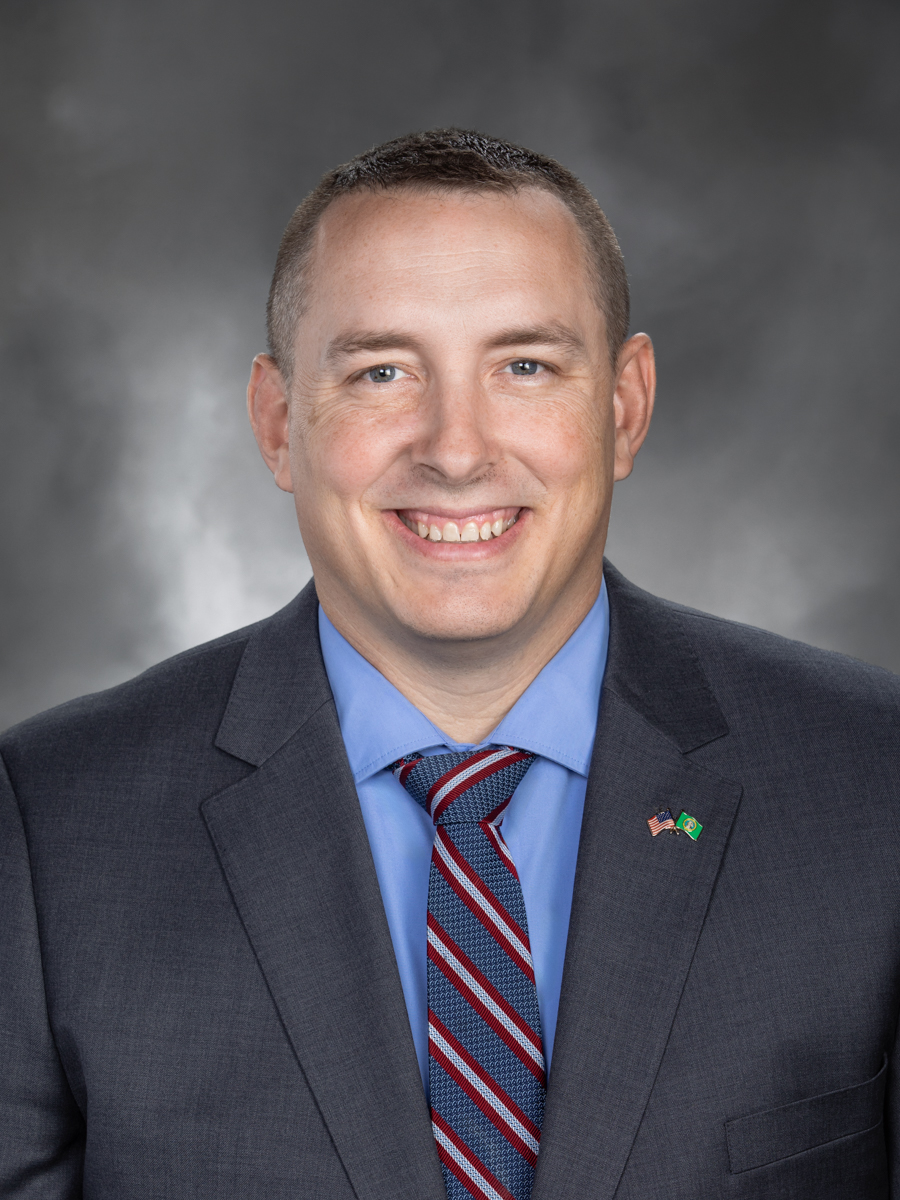
Rep. Josh Penner
Sponsored bills
Maddy summaryHB 1257 extends special education services for students with disabilities until the end of the school year in which they turn 22, instead of ending at age 21. This change directly affects students with disabilities aged 16-22 who require transition planning to move from school to postsecondary life. The bill amends state education statutes to align with a federal court ruling finding Washington’s prior policy violated the Individuals with Disabilities Education Act. It also requires state agencies to update transition planning by October 2026, ensuring services supplement rather than replace other support programs.
Maddy summaryHB 1221 changes how Washington's state of emergency declarations end. It requires that any emergency proclamation automatically terminate 60 days after the governor signs it unless the legislature passes a concurrent resolution extending it. If the legislature isn't in session, only the top four legislative leaders (senate majority/minority leaders and house speaker/minority leader) can temporarily extend the emergency for up to 60 days until the legislature acts. The bill also prevents the governor from redeclaring the same emergency after it's terminated without legislative approval. This directly affects governors' emergency powers and requires legislative action to maintain long-term emergency declarations.
Maddy summaryHB 1051 allows parents or guardians to audio-record their child's individualized education program (IEP) team meetings without needing consent from other meeting attendees. This directly affects families with students in special education programs, granting them a specific right to record these meetings under state law. The bill amends Washington’s general recording law (RCW 9.73.030) to explicitly exempt parent-recorded IEP meetings from the requirement of obtaining all-party consent. Other recording scenarios, such as school staff or third parties recording meetings, would still require all-party consent as per existing law. The bill is currently pending in the House Education Committee.
Maddy summaryHB 1586 modifies Washington's joint administrative rules review committee structure and expands how agency rules can be reviewed. It requires the committee to hold quarterly meetings and specifies its composition (four senators, four representatives, max two per party). The bill creates two new review pathways: (1) allowing petitions for review of emergency rules or rules lacking adequate public input (e.g., insufficient testimony time or short hearing notice), and (2) enabling legislators to request review of any rule filed under state rulemaking rules or emergency rules adopted in the past five years. These changes directly affect state agencies creating rules and the legislative committee responsible for oversight.
Maddy summaryHB 1324 redirects revenues from Washington's Climate Commitment Act (CCA) auction system to fund major state transportation projects, including the I-5 Columbia River bridge replacement and the US 395 North Spokane corridor. The bill amends existing law to require that CCA auction proceeds - previously restricted from road projects - be allocated specifically to highway and bridge infrastructure, rather than solely to climate or environmental programs. Key provisions mandate that funds support projects improving freight movement (like the Gateway freight project) and reducing congestion, which the bill states contributes to lower greenhouse gas emissions. This reallocation changes how CCA revenue is spent but does not alter the underlying auction system or funding amounts.
Maddy summaryHB 1086 makes it a crime to operate or aid in operating a chop shop (where stolen vehicles are dismantled or disguised for resale). It establishes new penalties: a class B felony for a first offense (up to 10 years in prison) and a class A felony for repeat offenses (up to 10 years for a second offense). The law requires convicted individuals to pay restitution to vehicle owners or insurers for financial losses, environmental cleanup costs, and other related expenses. It also allows law enforcement to seize and forfeit vehicles, tools, or equipment used in chop shop operations, while excluding licensed wreckers who unknowingly process stolen vehicles in good faith.
Maddy summaryHB 1818 updates Washington's land subdivision laws, which haven't been revised since 1969, to create a uniform process for dividing land. It eliminates outdated distinctions between "short plats" and "subdivisions" by merging their requirements, as current rules have become identical over time. The bill amends multiple statutes to streamline the approval process for land division maps, ensuring local governments use consistent standards for preliminary and final plats. This primarily affects cities, towns, and counties that review and approve land development projects.
Maddy summaryHB 1055 directs a study to evaluate whether creating an independent Washington Office of Transparency Ombuds would improve public record access. The study will compare Washington’s public records laws with other states (including Pennsylvania’s system), assess potential benefits like reduced litigation costs and easier access, and recommend duties for such an office. The findings must be reported to the legislature by December 2026, but the bill itself does not create the office or change existing laws.
Maddy summaryHB 2059 requires private organizations receiving state grants (like nonprofits, corporations, or associations) to publicly disclose specific financial and operational details within five business days of receiving funding. This includes employee wages, board member compensation, political contributions made over the last four election cycles, lobbyist contracts, and a detailed spending report for the grant money. State agencies must verify compliance, and noncompliant entities face losing the grant funds and must repay the full amount. The bill applies broadly to all state and local agencies awarding grants but excludes routine procurement of goods or services.