

Maddy summaryHB 1564 creates a 100% tax credit for Washington employers that provide child care assistance to employees, directly affecting eligible businesses. The credit covers 100% of costs for two types of assistance: (1) employer-paid portions of employee wages used for child care expenses (like tuition), and (2) costs for in-house child care facilities. Employers can claim the credit against business and occupation taxes (Chapter 82.04 RCW) or public utility taxes (Chapter 82.16 RCW), but not both for the same costs. The credit is available from January 1, 2026, through December 31, 2037, with a final expiration date of January 1, 2038.
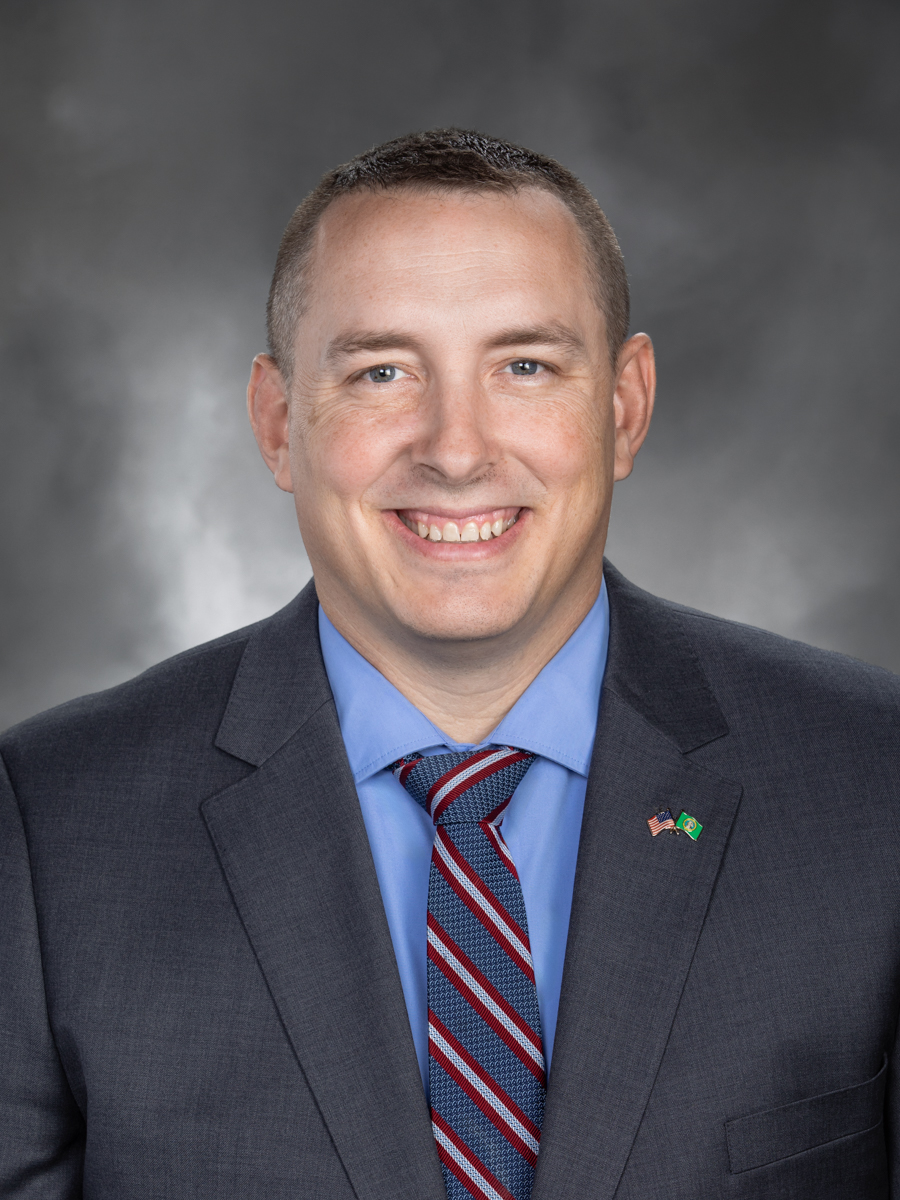
Rep. Josh Penner
Sponsored bills
Maddy summaryHB 1091 amends Washington state law to prevent certain offenders sentenced as sexually violent predators from earning supervision compliance credit. Specifically, it removes eligibility for this credit for individuals sentenced under statutes related to sexually violent offenses (RCW 9.94A.507, 650, 655, 660, or 670) or subject to specific supervision types (RCW 9.94A.745 or community custody under RCW 9.94A.730). The bill does not change the credit system itself but explicitly excludes these offenders from accruing the standard 10 days of credit per compliant month. This affects individuals serving sentences under the specified laws who are under community supervision. The change aligns with existing eligibility restrictions but codifies them more directly in the statute.
Maddy summaryHB 2002 establishes a reward program to encourage the public to report information about firearms used in felony crimes. It provides up to $500 for locating such firearms, or up to $5,000 if the report leads to a conviction, excluding law enforcement officers, individuals with warrants, or government employees acting in their official capacity. The cash rewards will be funded from existing county and municipal criminal justice assistance accounts, which distribute funds based on population, crime rates, and court case volumes. The bill directly affects law enforcement agencies (who receive the information) and the public (who may submit tips for rewards), while amending funding mechanisms for local criminal justice programs.
Maddy summaryThis bill would allow parents to be paid for providing specialized care to their minor children (under 18) with developmental disabilities. It requires the state to seek federal approval to pay parents for "extraordinary care" - defined as care beyond typical parenting duties needed to prevent institutionalization. If approved, parents would qualify for payment under specific rules, including meeting training requirements like other caregivers. The bill applies only to children in certain high-need assessment categories and does not affect existing services for adults or non-disabled individuals.
Maddy summaryHB 1721 allows qualified zero-emission vehicle (ZEV) manufacturers - those with no existing dealership agreements - to sell directly to consumers in Washington, provided they establish at least two service centers and offer mobile repair services in the state. It supports traditional auto dealers by creating a grant program for EV technician training and charging infrastructure, with dealers selling at least 50% of their vehicles as ZEVs qualifying for additional funding. The bill requires ZEV manufacturers to honor warranties at designated service centers and mandates annual reports starting in 2026 to evaluate the program’s effectiveness, with a final review scheduled for 2034. These changes aim to expand ZEV access while balancing dealer transitions and consumer protections.
Maddy summaryHB 1908 permanently maintains four state-operated residential facilities for developmentally disabled individuals - Lakeland Village (Spokane), Rainier School (Pierce), Yakima Valley School (Yakima), and Fircrest School (King) - by removing a provision that would have allowed Yakima Valley School to close under certain conditions. The bill repeals the closure trigger for Yakima Valley School and amends state law to ensure these facilities remain open to accept new residents, directly addressing a shortage of affordable care options. It specifically targets underutilized, well-regarded facilities to provide immediate relief to families with no other viable, cost-effective care alternatives. The bill does not create new facilities but expands capacity at existing, operational centers.
Maddy summaryHB 1117 repeals Washington State's adoption of California's motor vehicle emissions standards, which had caused registration barriers for vehicles meeting federal standards. The bill directly affects vehicle owners who previously needed 407,541 exemptions to register their vehicles and government agencies managing registrations. Key provisions require the Department of Licensing to register previously prohibited vehicles (if they meet state requirements) and direct the Department of Ecology to repeal all rules implementing California standards. This eliminates administrative burdens on both the public and government, allowing vehicles to be registered without exemptions under federal standards. The bill takes immediate effect as an emergency measure.
Maddy summaryHB 1649 redesigns Washington’s community-based training pathway for licensed child care providers, replacing the underutilized "PACE" program with a new pathway modeled after the discontinued "Building Bridges" curriculum. The bill requires the Department of Children, Youth, and Families to create a low-cost ($250 max), multilingual, culturally relevant training program available online and in communities by August 2025. Licensed providers can meet licensing requirements through this new pathway, existing certificates, or work experience (3+ years in licensed care) until at least 2035. The changes aim to make training more accessible, particularly for rural providers and those with language barriers.
Maddy summaryHB 2036 prohibits individuals convicted of violent offenses involving a firearm from earning early release credits under Washington's sentencing laws. It directly affects people serving sentences for violent crimes where a firearm was used or involved, as defined by existing law. The bill amends RCW 9.94A.729 to explicitly deny all "good time credits or earned release time" for sentences tied to such offenses. This change modifies current early release eligibility rules, ensuring offenders convicted of firearm-related violent crimes cannot reduce their sentences through earned credits. The policy focuses on restricting sentence reductions for specific high-risk offenses, not altering general sentencing guidelines.
Maddy summaryHB 1242 requires Washington's Department of Licensing to annually review 10% of state-licensed professions (completing a full review of all licenses within 10 years), producing detailed reports by August 31 each year. These reports must analyze license renewal fees, education/experience requirements, comparisons to other states, and whether regulations are the "least restrictive necessary" to protect public health and safety. The bill directly affects all professional boards and licensees by mandating transparency in licensing costs, renewal timelines, and regulatory justification. The reports will include data on license issuances, revocations, and recommendations for modifying or ending licenses, aiming to streamline oversight without unnecessary barriers.