

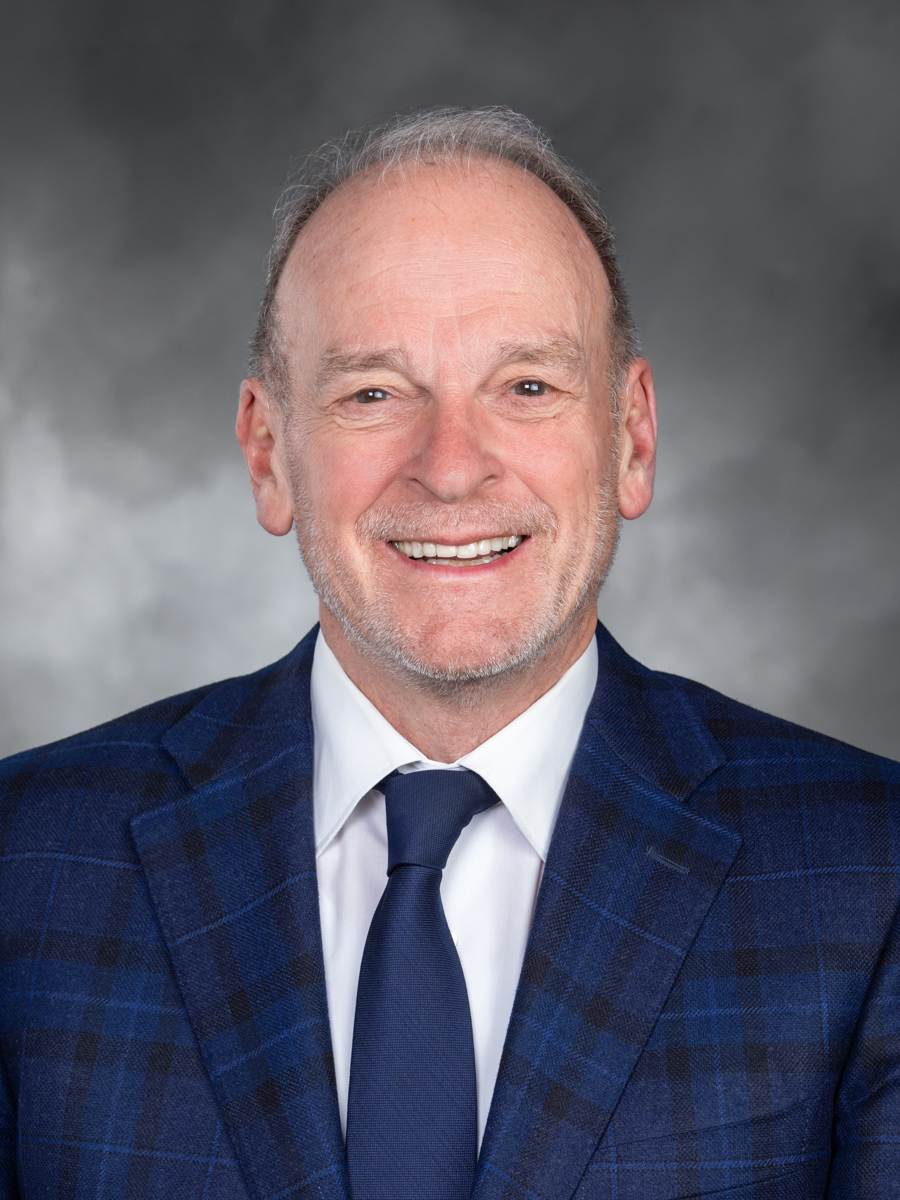
Photo of Jake Fey
D Washington House · District 27 On the 2026 ballot

Rep. Jake Fey

Compare
Total votes
6,316
all sessions
Attendance
98%
125 missed
Lower than 79% of chamber peers
With party
99%
of cast votes
Higher than 80% of chamber peers
Bipartisan score
0%
crosses aisle rarely
Lower than 82% of chamber peers
Sponsored
759
bills & resolutions
Near the chamber average
Committees
5
assignments
759 bills and resolutions

Sponsored bills

Total
759
Primary
114
Co-sponsor
645
This page
759
matching current filters
Co-sponsor HB 1404
In committee · Washington House · Co-sponsor
Increasing student access to free meals served at public schools.

Maddy summaryHB 1404 expands access to free school meals in Washington state by removing income-based eligibility requirements. It mandates that all public school students who request a meal receive it at no cost, regardless of family income, to address food insecurity and support academic success. The bill amends several education funding statutes (including RCW 28A.235.135 and 28A.235.160) to align meal access with this new policy. It directly affects every public school student in Washington, ensuring no child experiences hunger during the school day. The policy change replaces previous tiered eligibility systems with universal free meals for all requesting students.

In committee Jan 12, 2026 1 co-sponsor
Co-sponsor HB 1263
In committee · Washington House · Co-sponsor
Updating eligible uses for the essential needs and housing support program.

Maddy summaryHB 1263 updates Washington's Essential Needs and Housing Support Program to expand eligible uses for assistance. It allows cash assistance for recipients (previously prohibited) and clarifies eligibility for low-income elderly or disabled adults transitioning off certain benefits who have immediate housing needs. The bill requires housing support entities to prioritize homeless individuals first and those at "substantial risk" of losing housing second, while mandating data reporting to homeless management systems and limiting administrative costs to 5% of program funds. This directly affects vulnerable residents facing housing instability, including homeless individuals and those at risk of losing housing due to financial hardship.

In committee Jan 12, 2026 1 co-sponsor
Primary HB 1071
In committee · Washington House · Lead sponsor
Implementing strategies to achieve higher recycling rates within Washington's existing solid waste management system.

Maddy summaryHB 1071 aims to increase Washington's recycling rate to 65% for packaging by requiring producers to use more recycled content in their products and establishing a single statewide list of accepted recyclable materials to reduce confusion. It mandates a state-specific needs assessment to identify funding and infrastructure needs, addresses contamination in recycling streams, and expands recycled content requirements for packaging and paper products. The bill directly affects manufacturers (producers) of packaging and paper goods, as well as local governments managing curbside recycling programs. Key provisions include standardizing what can be recycled across the state, studying non-recyclable packaging labels, and ensuring equal access to affordable recycling services. The legislation builds on Washington's existing recycling infrastructure while targeting greenhouse gas reductions in the solid waste sector.

In committee Jan 12, 2026 0 co-sponsors
Primary HB 1921
In committee · Washington House · Lead sponsor
Establishing new sources of transportation revenue based on motor vehicle use of public roadways.

Maddy summaryHB 1921 establishes a mileage-based road usage fee system to replace declining fuel tax revenue, directly affecting vehicle owners - starting with electric/hybrid vehicles in 2027 and phasing in conventional vehicles based on fuel efficiency by 2035. The bill creates a voluntary program for EVs/hybrids (2027-2029) and a mandatory program for increasingly efficient conventional vehicles (starting 2029), replacing existing registration fees like those in RCW 46.17.323/324. Fees are calculated per mile driven, with privacy protections for location data emphasized as a core requirement. The phased approach aims to maintain current transportation funding levels while adapting to fuel-efficient vehicle adoption.

In committee Jan 12, 2026 0 co-sponsors
Co-sponsor HJR 4201
In committee · Washington House · Co-sponsor
Amending the Constitution to allow a majority of voters voting to authorize school district bonds.

Maddy summaryThis bill (HJR 4201) proposes amending Washington State's constitution to lower the voter approval threshold for school district bonds. Currently, school districts need a three-fifths (60%) majority of voters to approve bonds under Article VIII, section 6. The amendment would change this to require only a simple majority (over 50%) of voters voting on the bond measure. This change would directly affect all Washington school districts seeking voter approval for bond-funded projects like facility construction or modernization. The proposal is a constitutional amendment, not a law, and requires voter ratification at the next general election.

In committee Jan 12, 2026 1 co-sponsor
Primary HB 2043
In committee · Washington House · Lead sponsor
Concerning transportation resources.

Maddy summaryHB 2043 addresses Washington's transportation funding challenges by creating new revenue sources to replace declining fuel tax income. It responds to rising construction costs and reduced fuel tax revenue caused by more fuel-efficient vehicles. The bill aims to ensure reliable funding for roads, transit, and infrastructure that support residents' mobility and the state's economic growth. It does not specify exact funding methods but targets multiple revenue streams to maintain transportation system service levels.

In committee Jan 12, 2026 0 co-sponsors
Co-sponsor HB 1058
In committee · Washington House · Co-sponsor
Providing incentives to improve freight railroad infrastructure.

Maddy summaryHB 1058 creates tax credits for eligible railroads to fund infrastructure improvements. It directly affects small regional railroads (class II/III), public entities like ports/cities, and industrial property owners with rail spurs in Washington. The bill provides a 50% tax credit on qualified expenses for maintenance, new rail development, or modernization projects (e.g., track upgrades, bridges, safety equipment), with annual limits of $500,000 per taxpayer and a total $8 million statewide cap. Credits can be carried forward for up to five years or transferred to other eligible taxpayers.

In committee Jan 12, 2026 1 co-sponsor
Primary HB 1519
In committee · Washington House · Lead sponsor
Making adjustments to the service and filing fees for vehicle subagents, county auditors, and other agents.

Maddy summaryHB 1519 increases specific vehicle-related service and filing fees in Washington State. It raises the service fee for title changes, ownership transfers, and lost title affidavits from $15 to $18, and registration renewal/permit fees from $8 to $11. It also increases the vehicle registration filing fee from $4.50 to $6 and the title application fee from $5.50 to $6.50. These changes apply to registrations due or title transactions processed on or after January 1, 2026, affecting vehicle owners, county auditors, and subagents who collect these fees.

In committee Jan 12, 2026 0 co-sponsors
Co-sponsor HB 1424
In committee · Washington House · Co-sponsor
Concerning transparency, public safety, and independent oversight of the city, county, and regional jail system in Washington state.

Maddy summaryHB 1424 creates an independent Jail Oversight Board within the governor's office to improve transparency and safety in Washington's city, county, and regional jails. The board, appointed by the governor, will include seven members representing diverse perspectives such as jail administrators, health care providers, and individuals with lived experience of incarceration. Its role is to ensure safe and humane conditions for jail staff and people held in custody while promoting a more rehabilitative approach to jail operations. This new oversight structure replaces the previous system eliminated in 1987 and aligns with practices in 29 other states.

In committee Jan 12, 2026 1 co-sponsor
Co-sponsor HB 1690
In committee · Washington House · Co-sponsor
Assessing the state's existing water and sewer systems.

Maddy summaryHB 1690 requires Washington's Department of Ecology and Department of Health to jointly conduct a comprehensive assessment of the state's water and sewer systems by June 2027. The assessment will identify critical infrastructure gaps, analyze upgrade costs, and evaluate funding options to address issues like aging systems, septic maintenance challenges, and water quality concerns affecting public health. It directly impacts local governments, water utilities, and residents in communities facing infrastructure limitations, particularly in urban growth areas and small towns. The bill mandates gathering data from cities, counties, health boards, and utilities to inform recommendations for protecting environmental resources and supporting economic development. This assessment aims to provide a data-driven foundation for future investments in water and sewer infrastructure.

In committee Jan 12, 2026 1 co-sponsor
Showing 41 to 50 of 759 bills
Previous 1 … 4 5 6 … 76 Next