

Maddy summaryHB 2711 adjusts Washington State's motor vehicle fuel tax structure, directly affecting fuel licensees (gas stations, distributors) and fuel suppliers. It adds new tax rates, including 6 cents per gallon for regular fuel starting July 2025 and 3 cents per gallon for special fuel starting July 2027, while creating automatic annual 2% increases for both regular and special fuel taxes beginning July 2026. The bill specifies detailed calculations for these annual adjustments, requiring the state treasurer to recalculate rates each July 1 based on prior tax rates and rounding to the nearest thousandth of a dollar. It also clarifies when fuel taxes apply, such as when fuel is removed from terminals, entered into the state, or sold to unlicensed entities.
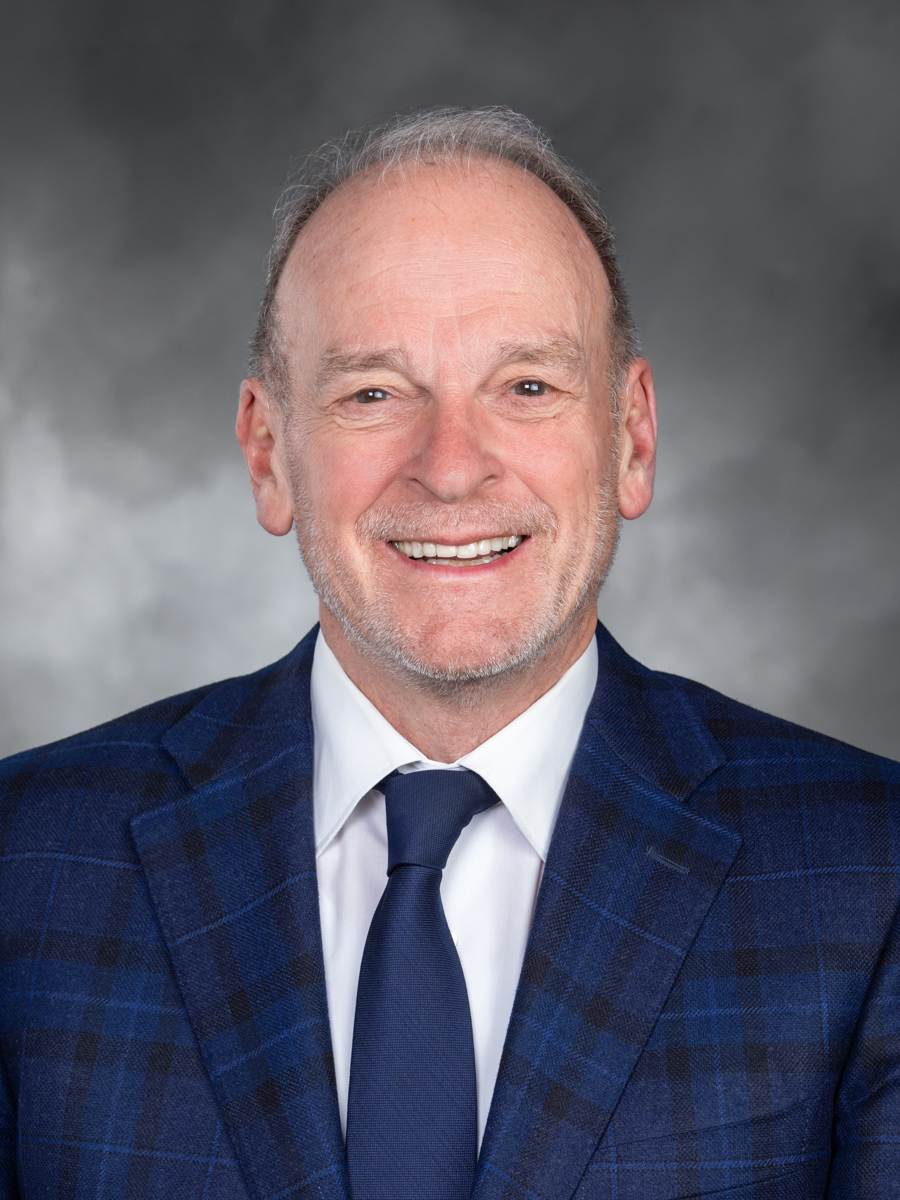
Rep. Jake Fey
Sponsored bills
Maddy summaryHB 1909 establishes a court unification task force to study Washington’s fragmented court system. The task force will analyze disparities in local court rules, technology adoption, and funding that create barriers for people seeking legal help - especially those in rural areas, low-income communities, and underserved populations. It will identify inefficiencies and inequities in court operations and explore potential solutions through a diverse group including judges, court clerks, legal aid representatives, and community advocates with lived experience. The bill does not implement changes but directs the task force to provide recommendations for improving consistency and access to justice. This study aims to inform future policy decisions, not alter current court structures.
Maddy summaryHB 1069 amends Washington state law to allow collective bargaining between public employers and employee organizations regarding contributions for certain supplemental retirement benefits. Currently, state law prevents bargaining over retirement plans and benefits administered by the Department of Retirement Systems. This bill clarifies that employers can now negotiate over contributions for additional retirement benefits, including medical plans, as long as these benefits are administered by or on behalf of an employee organization. This change enables discussions over these specific benefit contributions, while still excluding the core state retirement plans from collective bargaining.
Maddy summaryHB 1187 prevents ambulance services from selling or assigning patient debt related to motor vehicle accidents (including pedestrian or bicycle injuries) to debt collectors for at least 120 days after the initial bill is sent. It directly affects patients involved in such accidents by delaying debt collection efforts. The law requires ambulance providers to wait 120 days before transferring debt, and allows state officials to investigate repeated violations and impose fines. The bill takes effect January 1, 2026.
Maddy summaryHB 1128 creates a Washington state Child Care Workforce Standards Board to set minimum compensation and employment standards for child care workers. The board, composed of nine members including worker representatives (from family child care, center workers, and school-age programs), employer representatives, parent advocates, and state agency officials, will address low pay and poor working conditions that contribute to workforce instability. It requires the board to hold public hearings, establish standards with a six-member vote, and protect workers from retaliation for participating in the process. The law aims to improve child care quality and affordability by ensuring fair compensation and stable employment for workers directly serving children.
Maddy summaryHB 2410 establishes a Washington State Commercial Truck Safety and Education Council within the Washington Traffic Safety Commission. The council, composed of state agency representatives (including the State Patrol and Transportation departments), trucking industry leaders, and public members, will develop safety programs to address rising truck collision rates and improve driver training. It will use existing funds from the commercial vehicle safety account to coordinate industry initiatives, analyze crash trends, and provide grants for safety education - without creating new taxes or fees. The council must report annually to the legislature starting in 2028 on its activities and recommendations.
Maddy summaryThis bill is a House resolution that formally recognizes Representative Virginia "Jenny" Graham for her public service in the Washington State House of Representatives. It highlights her eight-year tenure, her advocacy for public safety, and her work on community safety and veterans' issues. The resolution does not create new laws or policies but serves as an official acknowledgment of her contributions and legacy.
Maddy summaryThis bill is a House resolution that formally honors John Michael Sattgast for his 35 years of dedicated service as a communications professional for the House Republican Caucus in the Washington State Legislature. It recognizes his work producing over 4,000 radio stories and coordinating media coverage for state representatives, as well as his leadership roles with the National Conference of State Legislatures. The resolution acknowledges his contributions to sharing legislative history and public information, noting his receipt of the 2023 Legislative Staff Achievement Award. This measure serves as a commemorative tribute rather than establishing new policy or affecting government operations.
Maddy summaryThis bill formally acknowledges the service of Representative Steve Tharinger to his district and the Washington state legislature. It recognizes his long career in public service, including his time as a Clallam County Commissioner, his work on the House Capital Budget Committee, and his advocacy for environmental protection and healthcare. The resolution serves as a commemorative tribute to his contributions and personal qualities rather than establishing new laws or policies.
Maddy summaryHB 2464 requires private detention facilities operating under government contracts to meet specific standards for food services, staff training, and infection control, while mandating timely reporting of serious incidents like abuse, death, or injuries to health and law enforcement. Facilities must provide balanced meals with dietary oversight, maintain safety protocols, and post clear policies on detained persons' rights. Starting November 2026, law enforcement agencies must annually report to the health department on how they responded to facility incidents, including whether victims received police reports or prosecutions occurred. The bill directly affects private detention facilities with government contracts, aiming to improve oversight and accountability in their operations.