

Maddy summaryHB 2111 amends Washington state law to ensure the Interstate 5 bridge replacement project toll facility bond retirement account receives its proportionate share of investment earnings from the state treasury. The bill adds this specific account to a list of state funds that automatically receive earnings based on their average daily balance in the treasury. This change affects only the financial management of the I-5 bridge project's dedicated account, ensuring it benefits from the same investment returns as other similar state accounts. The bill does not create new funding or alter project scope - it simply corrects the accounting mechanism to include this account in existing earnings distribution rules.
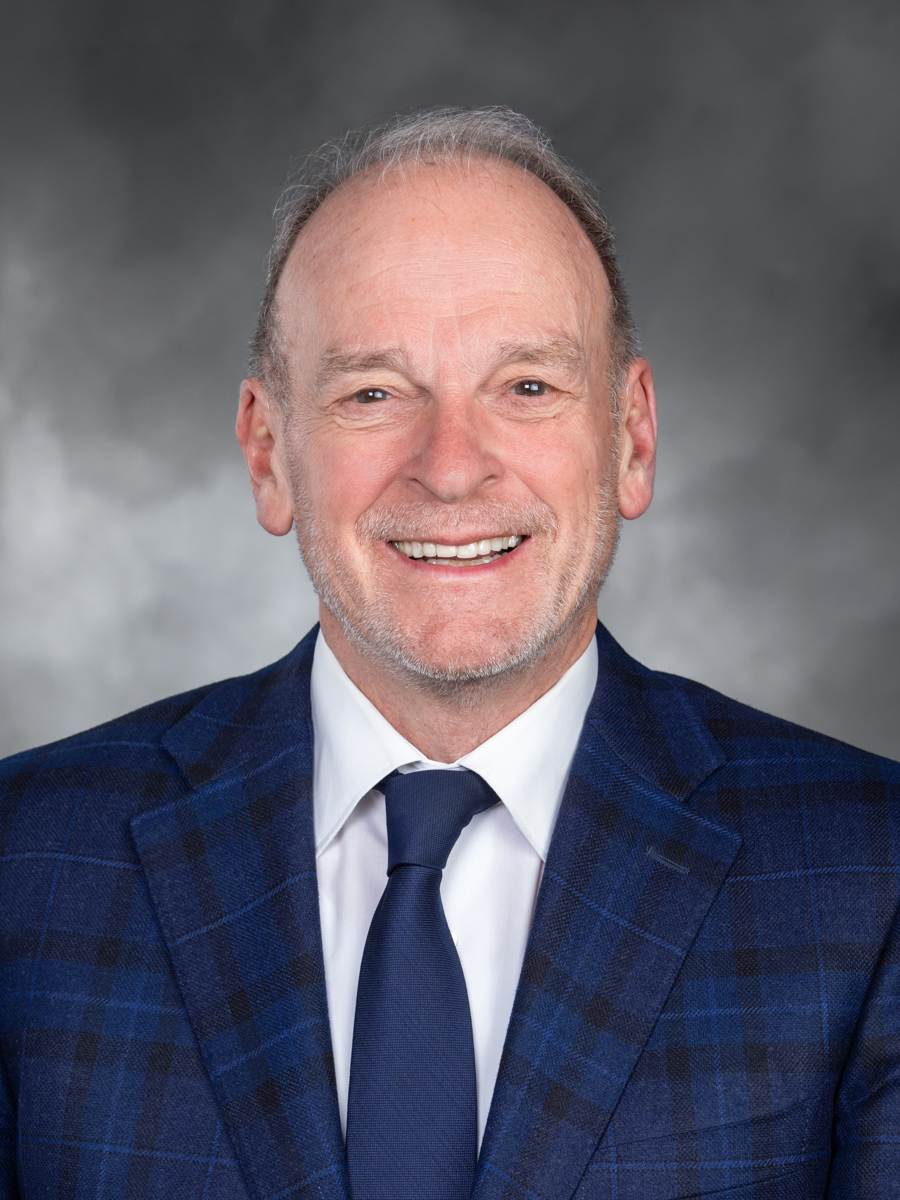
Rep. Jake Fey
Sponsored bills
Maddy summaryHouse Joint Memorial 4001 proposes naming the future 34th Avenue East overpass in the City of Fife as the Russ Blount Memorial Bridge. This action would honor Russ Blount for his two decades of public service and leadership on transportation issues in Washington State, Pierce County, and the City of Fife.
Maddy summaryHB 2306 allocates supplemental transportation funding for Washington's 2025-2027 budget, primarily directing $18 million from the carbon emissions reduction account toward electric vehicle (EV) charging infrastructure. It prioritizes projects in multifamily housing, public locations, schools, and government facilities, requiring grantees to be local governments, tribes, or utilities. Specific allocations include $6.85 million for a sustainable aviation fuel initiative and $2 million for Snohomish County’s Paine Field research center. The bill mandates reporting on fund usage and coordination with state electrification programs, with tribal governments eligible for dedicated tribal electric boat grants.
Maddy summaryThis resolution (HR 4692) acknowledges the 84th anniversary of Executive Order 9066, which led to the forced relocation and internment of over 120,000 Japanese Americans during WWII, including 12,000 from Washington State. It recognizes Japanese American veterans, incarcerees, and civil rights activists from Washington, and urges reflection on the principle "with liberty and justice for all," without creating new policies or requiring government action.
Maddy summaryHB 2552 allows Washington’s Department of Transportation and regional transit authorities to create pre-approved contractor rosters for recurring infrastructure projects like highway maintenance and facility repairs. Instead of bidding each project separately, agencies would pre-qualify contractors based on safety records, past performance, and commitments to hiring small, veteran-owned, and disadvantaged businesses. The bill requires agencies to report annually on roster usage, contracts awarded, and participation rates of minority-owned firms. This directly affects DOT, transit authorities, and contractors seeking state infrastructure work by changing how contracts are awarded.
Maddy summaryHB 2551 allows school districts facing severe cash shortages (with less than 3% of annual revenue in reserves) to request permission from the state superintendent to sell underused property. To qualify, districts must prove the sale is necessary to restore financial stability, prevent harm to student learning, and use all sale proceeds solely to address the financial issues causing the crisis. The bill also requires the superintendent to establish rules ensuring transparency, prohibits districts from reapplying for this authority more than once every five years, and mandates that sale proceeds go to debt relief or capital projects, not general operations. It updates existing property sale rules to align with these new conditions while maintaining standard appraisal and bidding requirements for property sales.
Maddy summaryHB 2401 establishes the Washington State Boys and Men Commission to address systemic challenges faced by boys and men, particularly those who are boys of color, in rural areas, identifying as LGBTQ+, or socioeconomically disadvantaged. The commission will identify needs, recommend policy changes, and coordinate with state agencies on issues like mental health access, education pathways, and vocational opportunities. Crucially, the commission’s creation is contingent on securing non-state funding (grants or private contributions) sufficient to cover operational costs through December 2029, with the Office of Financial Management required to identify funding needs by June 2026. It will consist of nine appointed members (including tribal representation and a majority identifying as male) and operate under an executive director appointed by the governor. The commission’s duties include serving as a policy information hub and producing biennial reports with recommendations to the legislature and governor.
Maddy summaryHB 2501 updates the required disclosure statement for sellers of residential properties with oil heating systems. It replaces outdated language about "no cost insurance" with a notice stating that "remediation assistance for heating oil contamination may be available" through the Washington State Pollution Liability Insurance Agency. The bill specifically affects real estate sellers in Washington who must provide this notice to buyers before closing. The revised disclosure applies only to property sales occurring on or after January 1, 2027, and does not change the insurance program itself.
Maddy summaryHB 2185 creates a new Office of Homeless Youth Prevention and Protection Programs within Washington's state agency responsible for youth services. The office must coordinate statewide efforts to reduce youth homelessness by collecting data, developing strategies to address root causes, and improving permanency rates for homeless youth. It requires a 12-member advisory committee - including youth representatives, advocates, law enforcement, service providers, and individuals with lived experience - to guide the office's work on funding, policy, and practice gaps. The office must be operational by January 1, 2016, with the advisory committee holding its first meeting by March 1, 2016.
Maddy summaryHB 1339 proposes shifting general elections for Washington state cities, towns, and special purpose districts from odd-numbered years to even-numbered years to increase voter participation. Local governments would have the option to move elections to even years by adopting an ordinance, passing a charter amendment, or securing voter approval through initiatives. The bill requires public hearings and specifies transitional term adjustments during the shift, aiming to boost turnout - particularly among younger voters, low-income families, and people with disabilities - by aligning local elections with higher-turnout even-year cycles. It amends several election statutes to allow this change while maintaining existing rules for special elections.