

Maddy summaryThis bill creates supplemental funding for school districts that have extra costs transporting homeless students (per federal McKinney-Vento law) and foster youth (per federal Every Student Succeeds Act) beyond what's already covered by other funding sources. Districts must report verified excess costs and specific services creating those costs to qualify. Funding covers only the documented excess transportation expenses for eligible students, with awards limited to specific time periods (semester or school year) and not exceeding the state's annual appropriation. Charter schools and tribal education compact schools are explicitly included as eligible recipients.
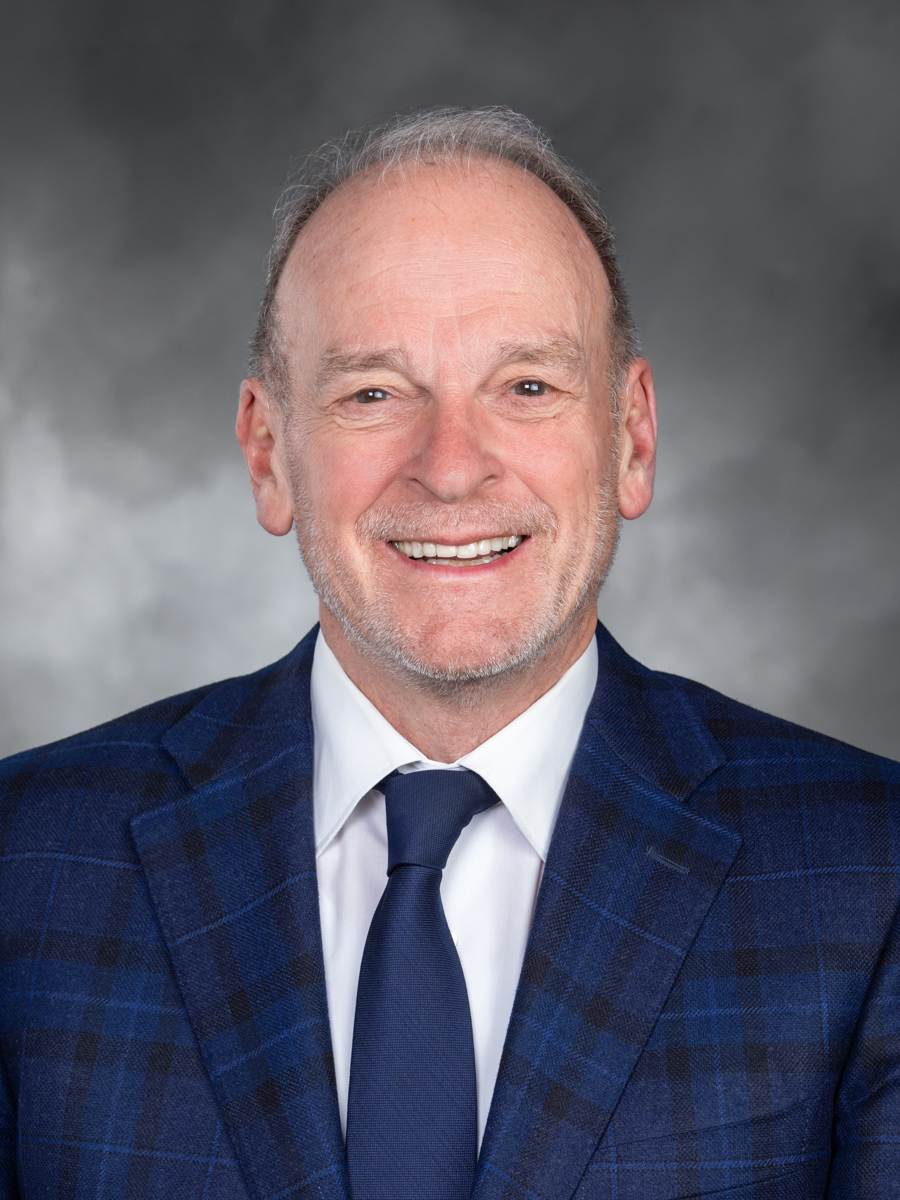
Rep. Jake Fey
Sponsored bills
Maddy summaryHB 1416 increases taxes on tobacco and vapor products in Washington State. It adds a $0.015 tax per cigarette and establishes new per-milliliter tax rates for vapor products: $0.30 per ml for most products and $0.10 per ml for containers over 5 ml. The bill requires distributors to collect these taxes at the point of sale or distribution and directs 50% of the revenue to cancer research and 50% to public health services. These changes apply to manufacturers, distributors, retailers, and consumers of tobacco and vapor products, with the tax taking effect October 1, 2025.
Maddy summaryHB 1129 requires most group health plans in Washington to cover fertility preservation services starting January 2026 and infertility diagnosis/treatment starting January 2027. It mandates coverage for two egg retrieval procedures with unlimited embryo transfers (per medical guidelines), prohibits different cost-sharing for fertility services compared to other pregnancy care, and ensures coverage extends to spouses and nonspouse dependents equally. The bill directly affects health insurers and enrollees seeking fertility care, including LGBTQ+ individuals and racial/ethnic minorities who face coverage disparities. Key provisions include banning restrictions on fertility medications and eliminating separate deductibles or waiting periods for these services.
Maddy summaryHB 1937 creates a presumption that industrial stormwater permit holders comply with water quality standards when they follow all permit requirements - including proper implementation of approved pollution control practices - and notify the Department of Ecology within 30 days if site-specific data suggests a potential violation. It directly affects industrial facilities (like manufacturing plants and marine transportation sites) required to obtain stormwater permits under Washington’s regulations. Key provisions include requiring the Department to resume the presumption of compliance after corrective actions, addressing safety concerns for sampling at transportation facilities by delaying sampling until safety is confirmed, and reducing third-party litigation risks for permit holders who follow procedures. The bill aims to streamline compliance while prioritizing worker safety and resource efficiency for regulated entities.
Maddy summaryHB 1292 establishes an ongoing annual cost-of-living adjustment (COLA) for retirees in Plan 1 of Washington's Teachers' Retirement System (TRS) and Public Employees' Retirement System (PERS), starting July 2026. The bill uses the Consumer Price Index (CPI) to calculate annual increases, capping the first adjustment at 3% and limiting yearly changes to no more than a 3% difference from the prior year. It consolidates the costs of past COLA increases over a 15-year period while requiring new benefit improvements to be paid over a 10-year amortization. The bill directly affects current and future retirees in both systems who qualify under Plan 1, excluding those covered by specific exception provisions.
Maddy summaryHB 1656 allows Washington electrical companies to recover wildfire-related costs through special bonds (securitization) instead of immediate rate increases. If approved by the Utilities and Transportation Commission, companies could spread these costs over time, potentially lowering long-term rates for customers. The bill defines eligible costs as those from disasters like wildfires (excluding fines or penalties) and includes safeguards to prevent state debt or impairment of customer rates. This policy aims to stabilize utility rates while covering emergency expenses tied to climate events.
Maddy summaryHB 1226 allocates $2.7 million from the Multimodal Transportation Account to fund the University of Washington’s sidewalk accessibility mapping project, requiring public data sharing and prioritizing overburdened communities. It also appropriates $1 million to the Washington State Transportation Center for engineering internships, training programs, and a workforce analysis addressing shortages in civil engineering and related fields. Additionally, $6 million from the Carbon Emissions Reduction Account funds zero-emission electric vehicle charging infrastructure at state facilities, with reporting requirements on installation locations and carbon impact. The bill mandates annual project updates to legislative committees and prioritizes installations based on state environmental goals.
Maddy summaryHB 1741 requires most Washington health insurance plans (excluding public employee plans) to cover intravenous immunoglobulin (IVIG) therapy for children diagnosed with PANDAS (pediatric autoimmune neuropsychiatric disorders associated with streptococcal infections) or PANS (pediatric acute-onset neuropsychiatric syndrome). Plans must cover three initial monthly IVIG treatments plus additional courses as medically necessary, but only after two or more less intensive treatments have been tried without success (e.g., ineffective, intolerable, or failing to improve symptoms). A pediatric subspecialist consultation is mandatory, and patients must be reevaluated every three months. The law applies to health plans renewed on or after January 1, 2026.
Maddy summaryHB 1043 extends the state's commute trip reduction tax credit program for employers and property managers until 2035. This program allows eligible entities to claim a tax credit for providing financial incentives to employees who use alternative commuting methods like ride-sharing, public transportation, car-sharing, or non-motorized transport. The bill changes the credit calculation so that the full amount paid to or on behalf of an employee, up to $60 per employee annually, can be credited (previously 50%). It also reduces the maximum credit a single entity can claim per fiscal year from $100,000 to $50,000.
Maddy summaryHB 1082 allows licensed child care providers in Washington to use documented work experience instead of formal early childhood education certificates to meet licensing requirements until August 1, 2028. To qualify, providers must show continuous employment since August 1, 2021 (or seven cumulative years), active work requiring such certificates, and completion of required health/safety training. The bill also requires the Department of Children, Youth, and Families to form a stakeholder group - including providers, training organizations, and community advocates - to review and improve staff qualification systems, with a report due by December 2026. This law expires July 1, 2028, and does not apply to providers serving the Early Childhood Education and Assistance Program (ECEAP).