

Maddy summaryHB 1712 amends Washington state law to allow utilities to count electricity from qualified biomass facilities in the Pacific Northwest toward their renewable energy requirements under the Energy Independence Act. The bill defines "qualified biomass energy" as electricity generated from specific organic sources like wood byproducts, agricultural waste, and dedicated energy crops - excluding treated wood or municipal waste - provided the facility began operations before March 31, 1999, and is located in the Pacific Northwest. This change directly affects utilities required to meet renewable portfolio standards, expanding their eligible resource options. By including qualified biomass energy as a valid renewable source, the bill provides utilities with additional compliance pathways for state-mandated renewable energy goals.
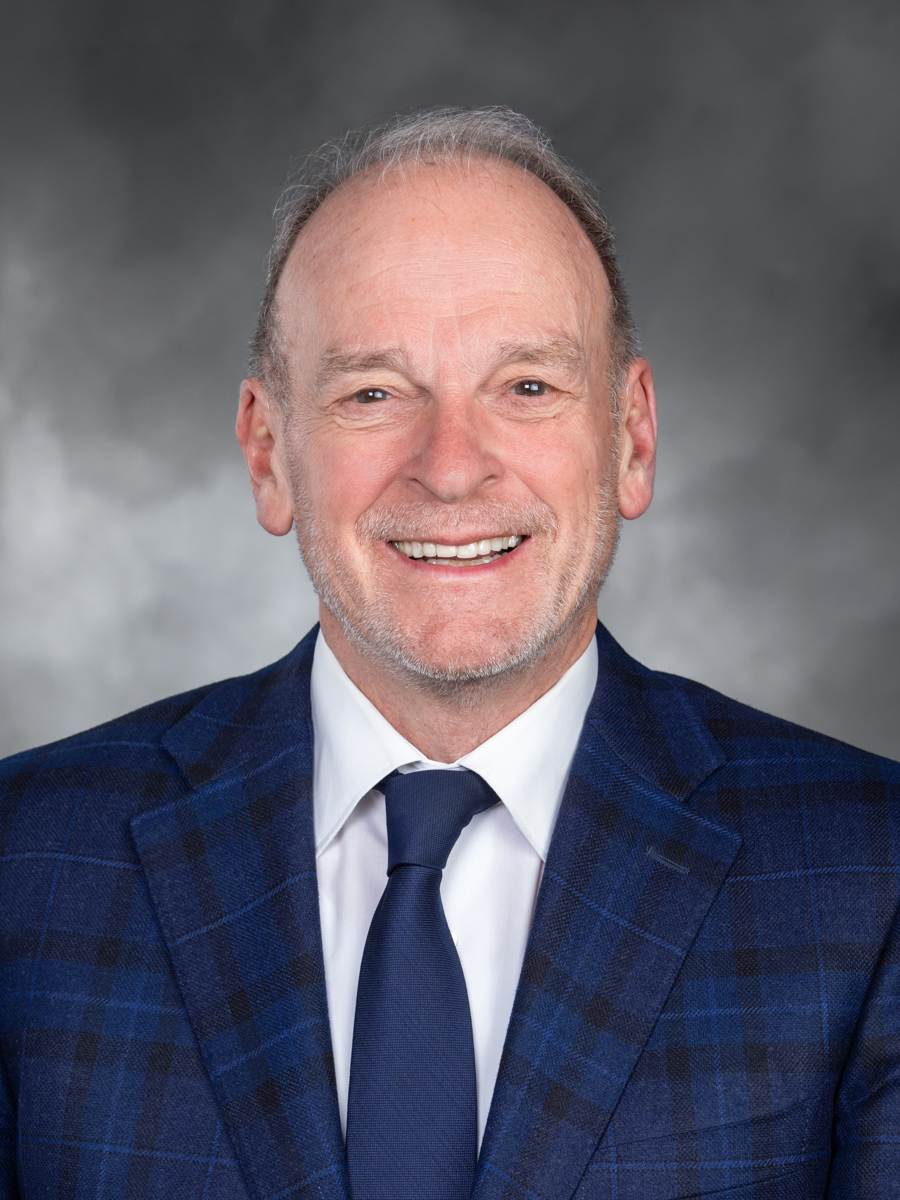
Rep. Jake Fey
Sponsored bills
Maddy summaryHB 1285 establishes financial education instruction as a graduation requirement for public high school students in Washington state. Beginning in the 2027-28 school year, all high schools must provide instruction in the state financial education learning standards. Starting with the graduating class of 2031, students will be required to meet these standards to graduate. The bill also tasks the Office of the Superintendent of Public Instruction with making instructional materials available and outlines monitoring responsibilities for the State Board of Education.
Maddy summaryHB 1415 strengthens Washington's WACares program by implementing recommendations from the Long-Term Services and Supports Trust Commission. It allows current WACares participants who move out of state to continue coverage if they worked in Washington for at least three years (500+ hours annually) and report income annually until age 67. The bill requires out-of-state participants to pay premiums and submit income documentation, while adjusting benefit units annually for inflation based on the Seattle CPI-W index. These changes directly affect current WACares participants who relocate outside Washington, ensuring continued access to long-term care services under updated reporting and funding rules.
Maddy summaryHB 1569 requires Washington state to include tax exemptions and preferences in the regular biennial budget process, ending their automatic continuation without legislative review. The bill mandates that all tax exemptions without expiration dates must be reviewed, assigned performance measures, and reauthorized every two years or expire, with a maximum 10-year term for new exemptions. It also requires the Department of Revenue to estimate the annual revenue impact of each exemption and include these details in the budget. This affects all taxpayers by ensuring tax preferences are transparently evaluated for their revenue impact, rather than reducing state funds for services like education without oversight.
Maddy summaryHB 1924 provides a sales and use tax exemption for manufacturing facilities and green-certified manufacturing facilities in Washington State, covering construction materials, equipment, labor, and services used in building or renovating these facilities. To qualify, facilities must apply for an exemption certificate with the state department, maintain annual tax performance reports, and green facilities must hold sustainability certification from a recognized organization. The exemption requires valid certificates (expiring after two years unless construction begins) and ends for new applications after July 1, 2035, with all exemptions expiring January 1, 2036. This policy directly affects manufacturers seeking cost savings on facility construction and renovations, while requiring compliance with application and reporting rules.
Maddy summaryHB 1125 allows judges to modify lengthy prison sentences in Washington state when a person's original sentence no longer serves justice. It directly affects incarcerated individuals who meet specific criteria, such as having served 7+ years for an offense committed as a juvenile (starting July 2026), 10+ years for offenses committed as young adults (starting July 2031), or having a terminal illness. The bill requires petitioners to show rehabilitation or low recidivism risk, and courts may only reduce sentences (not increase them), must maintain mandatory minimums, and mandate a 6-month minimum wait after a hearing before release. The law also requires new sentences to include five years of community supervision.
Maddy summaryHB 1227 allocates $3.025 million to increase women and minority-owned contractor participation in transportation projects, with specific requirements for outreach, technical assistance, and a trucking resource-sharing program. It also provides $4.92 million for tribal electric boat grants to convert fishing vessels to electric motors and $2.4 million for the University of Washington to create a public sidewalk accessibility dataset. The bill appropriates funds across 10 state agencies for road maintenance, ferry operations, and capital improvements during the 2025-2027 fiscal biennium. Key provisions include targeted spending conditions, such as requiring diversity action plans for pilotage commissions and prioritizing non-Puget Sound areas for contractor support.
Maddy summaryThis bill requires companies (service recipients) that pay independent contractors $600 or more annually to report their personal details and payment dates to Washington's child support division. Companies must provide the contractor's name, address, Social Security number, and payment information within 20 days of reaching the $600 threshold. Failure to report incurs monthly penalties of $25 per contractor or up to $500 for intentional violations. The policy aims to improve child support collection from self-employed workers who are not currently tracked through standard payroll systems.
Maddy summaryHB 1211 would require clergy, including ministers, priests, rabbis, imams, and other religious leaders, to report suspected child abuse and neglect in Washington state. This bill amends the state's child abuse reporting law (RCW 26.44.020 and 26.44.030) to remove a previous exemption for clergy, making them mandated reporters under the same standards as other professionals. The key change broadens the definition of "member of the clergy" to include diverse religious leaders and integrates them into the reporting framework. This directly affects religious leaders who interact with children in Washington, requiring them to report suspicions of abuse or neglect to child protective services.
Maddy summaryHB 1004 increases Washington State's personal property tax exemption from $15,000 to $50,000 for individual taxpayers. It directly affects residents owning personal property (like furniture, jewelry, or equipment) valued under $50,000, excluding private vehicles and mobile homes. To claim the exemption, taxpayers must attest under penalty of perjury that their total personal property value is below $50,000 and they are claiming only one exemption statewide. The bill amends existing tax code sections to reflect this change and requires county assessors to verify claims. The exemption would take effect January 1, 2026, contingent on voter approval of a related constitutional amendment.